

Positioning Sensors
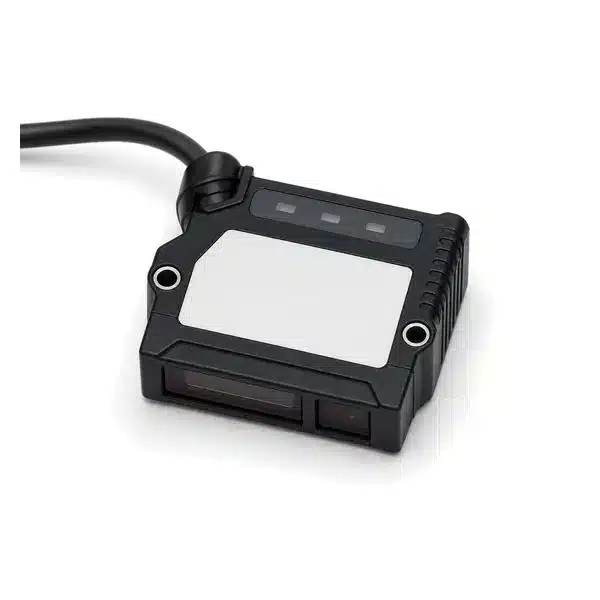
Enicstra stocks positioning sensors used to measure linear and rotary position on machine axes, cylinders, hydraulic rams, and indexing mechanisms. Inventory covers magnetostrictive linear transducers (Temposonics-style), LVDT linear position sensors, draw-wire (string-pot) encoders, linear potentiometers, magnetic-tape absolute position readers, and rotary absolute encoders used for position feedback.
Brands carried include MTS Sensors Temposonics, Balluff BTL, Penny+Giles linear and rotary, Gefran LT/LK, ASM Sensors POSIMAG and POSIWIRE, Novotechnik, Celesco draw-wire, Heidenhain linear scales, and Renishaw absolute encoders. Obsolete positioning sensors — discontinued Temposonics R-series first generations, retired BTL5 codes, end-of-life Penny+Giles SLP — are sourced through our supplier network. Each unit is bench-tested for output continuity and ships with a 12-month functional warranty.
For an obsolete positioning sensor, send the OEM part number for a quote within 1–2 business days.
Positioning Sensors
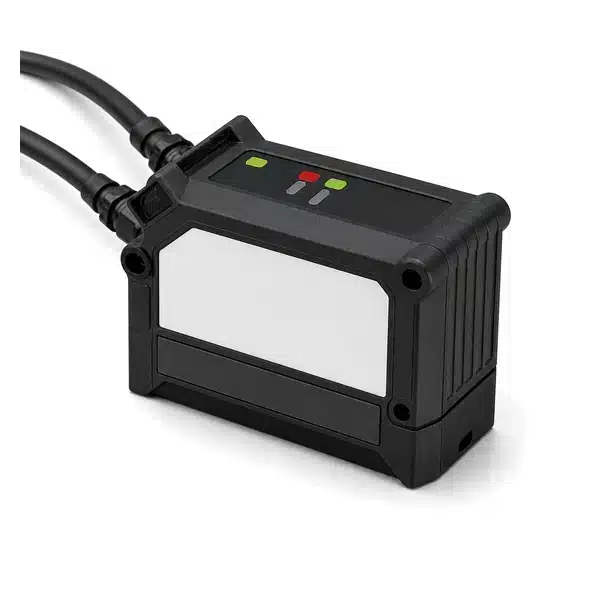

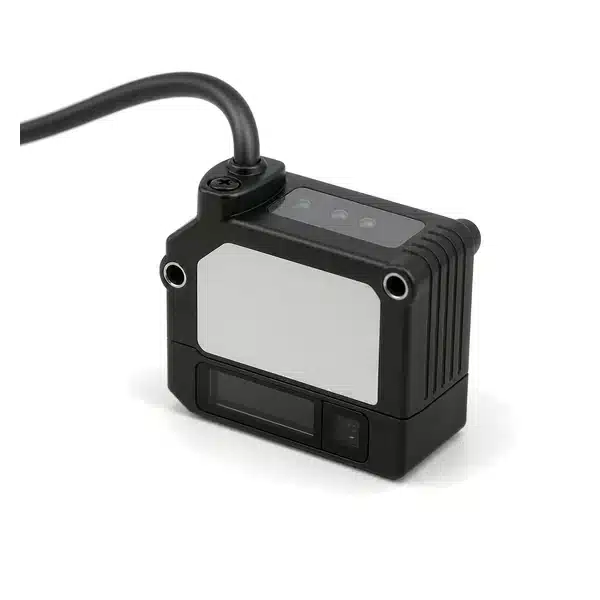


$603.82/ea
In Stock

$616.19/ea
In Stock

$931.46/ea
In Stock

$671.02/ea
In Stock
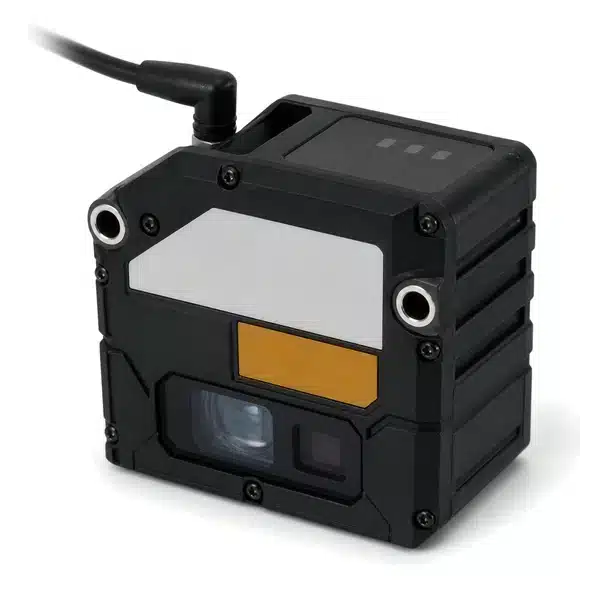

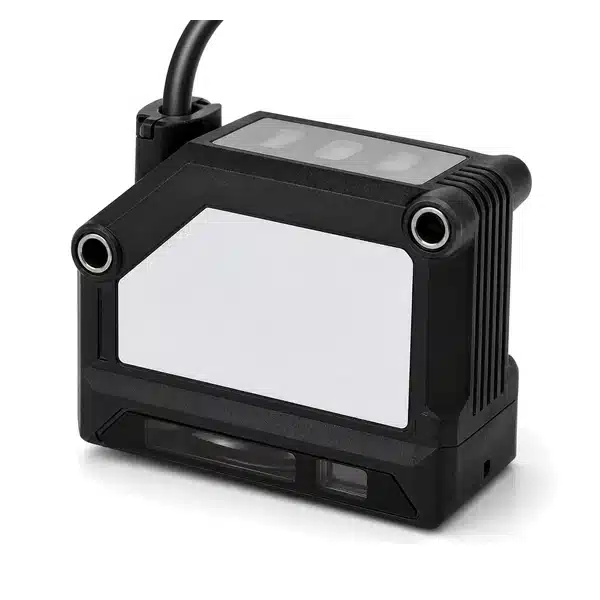


Can't Find The Part You Need?
Send us the part number, manufacturer, quantity, and condition — we'll locate it.
Do you stock obsolete positioning sensors?
Yes. Discontinued MTS Temposonics R-series first generations, retired Balluff BTL5 codes, end-of-life Penny+Giles SLP, and earlier Celesco draw-wire are sourced through our supplier network.
Magnetostrictive vs. linear potentiometer — which should I use?
Magnetostrictive for hydraulic cylinders and high-cycle precision applications — no wear, sub-millimeter accuracy, pressure-rated. Linear potentiometer for lower-cost, lower-cycle applications with moderate accuracy needs. The technologies are not interchangeable in cost-critical legacy installations.
What output type should I order?
Match the existing controller's input: 4–20 mA for analog PLC inputs, 0–10 V for older analog systems, SSI or fieldbus for high-resolution digital. Wrong output type means re-wiring and reconfiguring the input card.
Does the magnet come with a magnetostrictive sensor?
Usually no — the magnet (slide magnet, captive magnet, ring magnet) is ordered separately to match the cylinder or slider design. Send the cylinder mounting details when requesting a quote so the appropriate magnet can be paired.
Can I cut a magnetic-tape system to length?
Some magnetic-tape systems support field-cutting the tape. The read head and tape are separate items and must remain matched. Follow the OEM cutting procedure to avoid damaging the magnetization at the cut.
What is the warranty?
12-month functional warranty. Damage from over-pressure (on hydraulic-mounted sensors), wire-pull-speed damage (on draw-wire), or wiper wear from extreme cycles is not covered.