

Safety Products
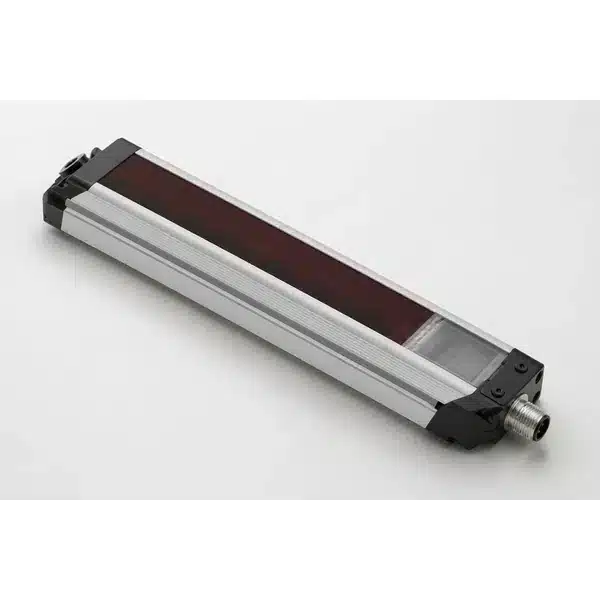
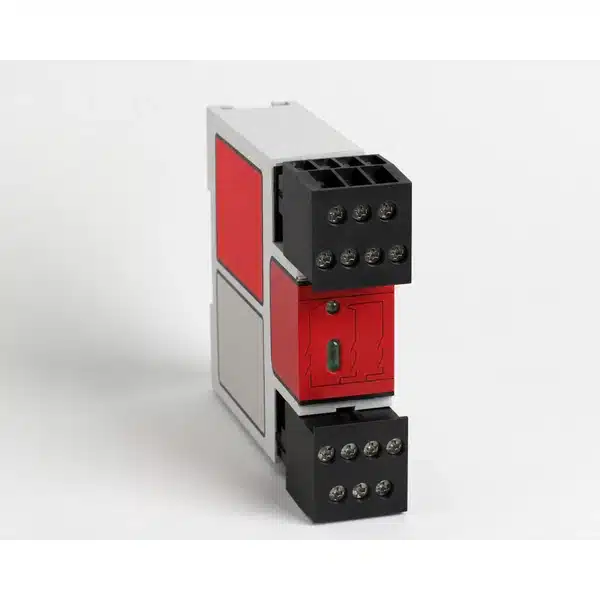
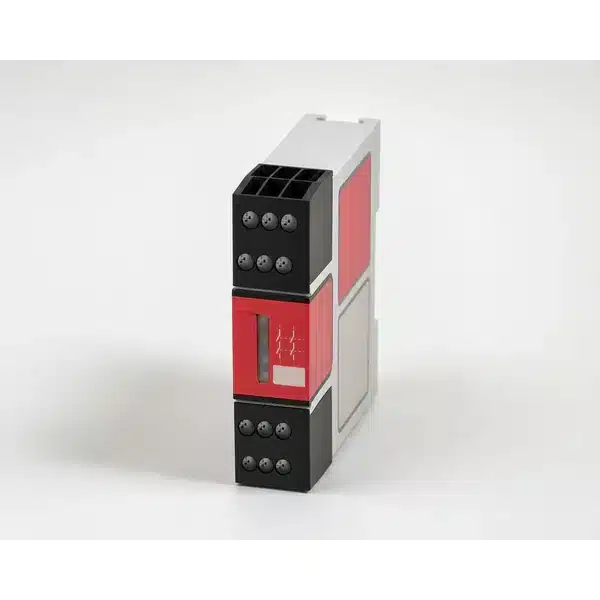
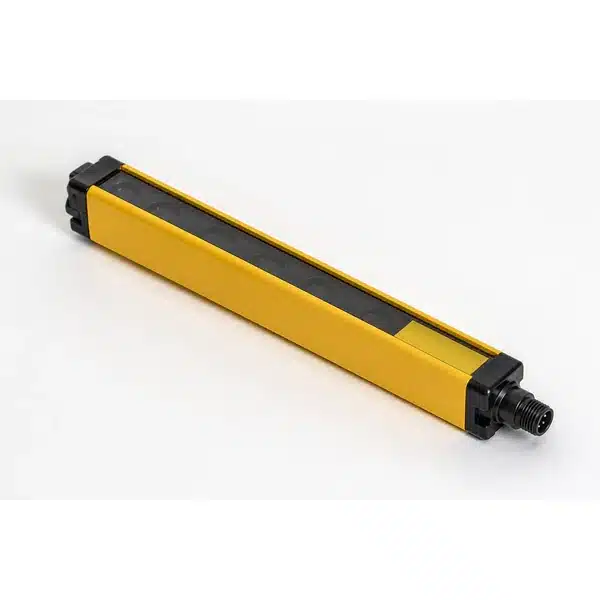
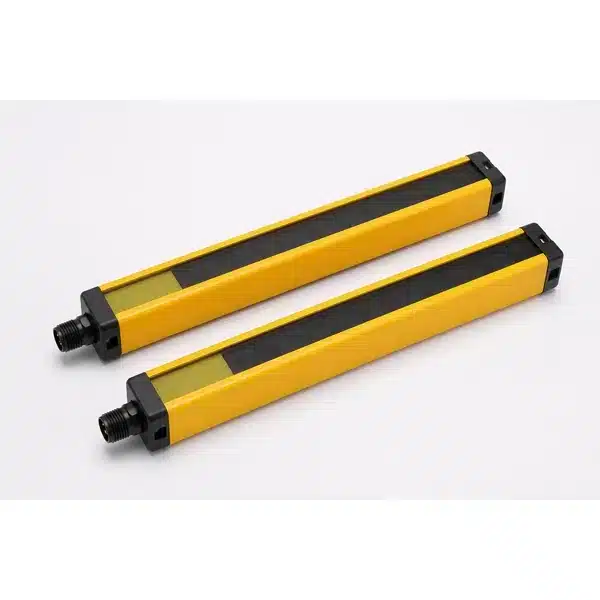
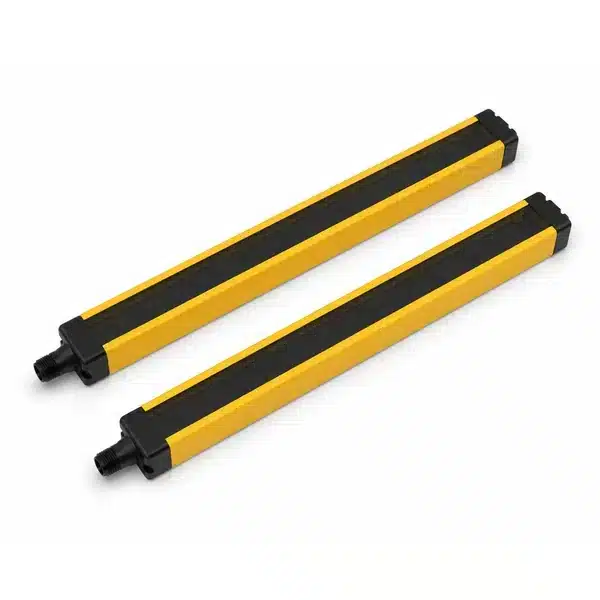
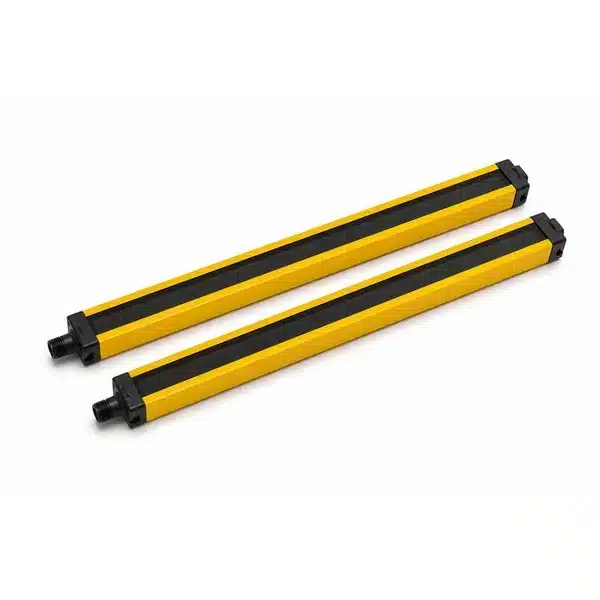
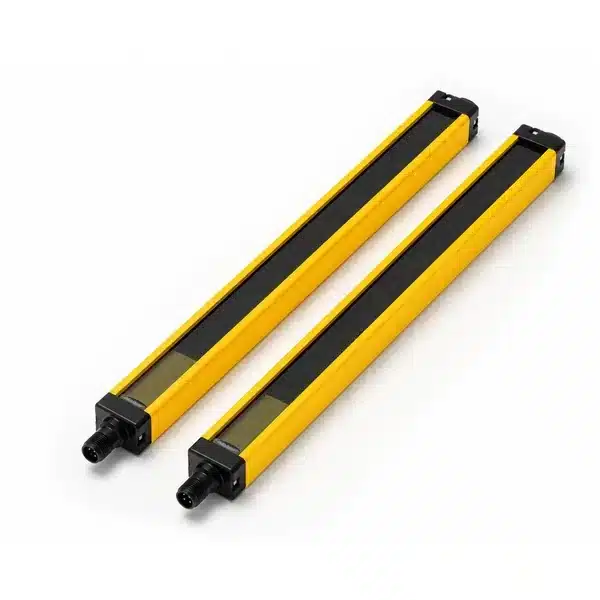
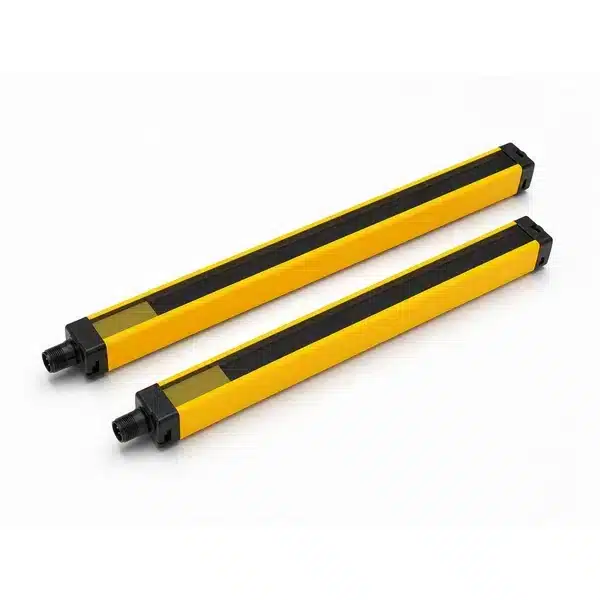
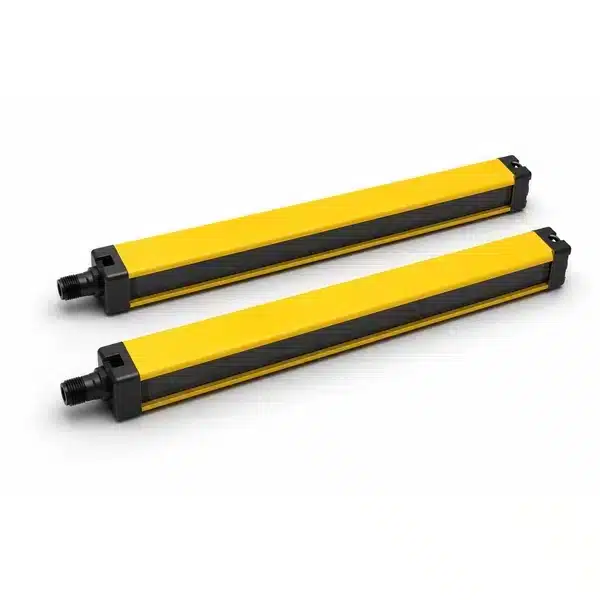
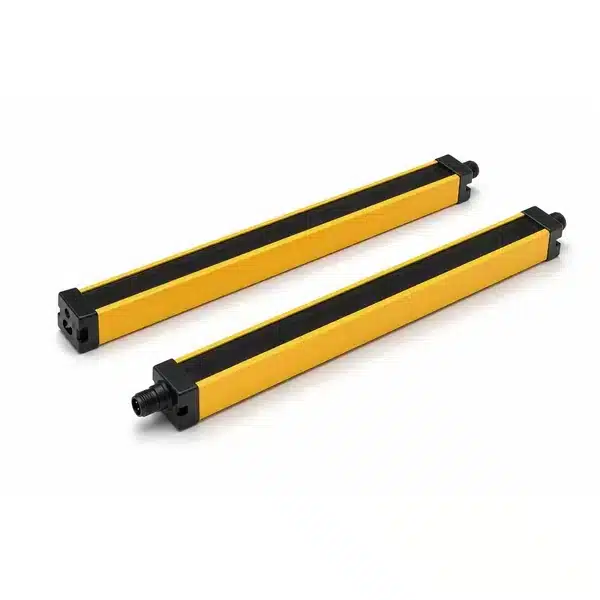
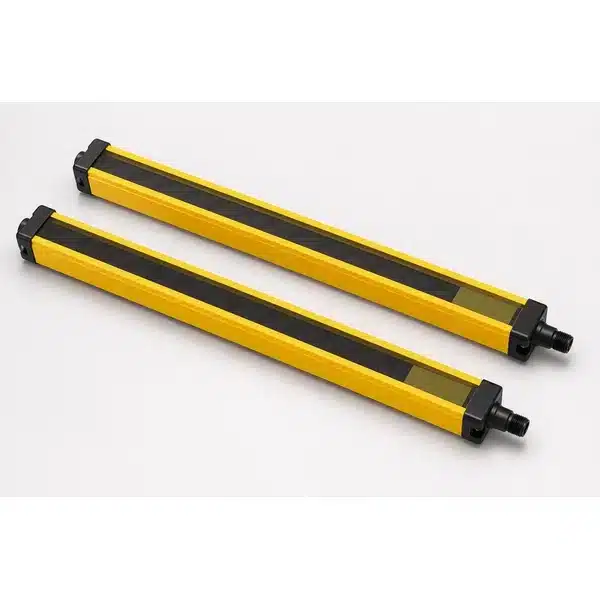
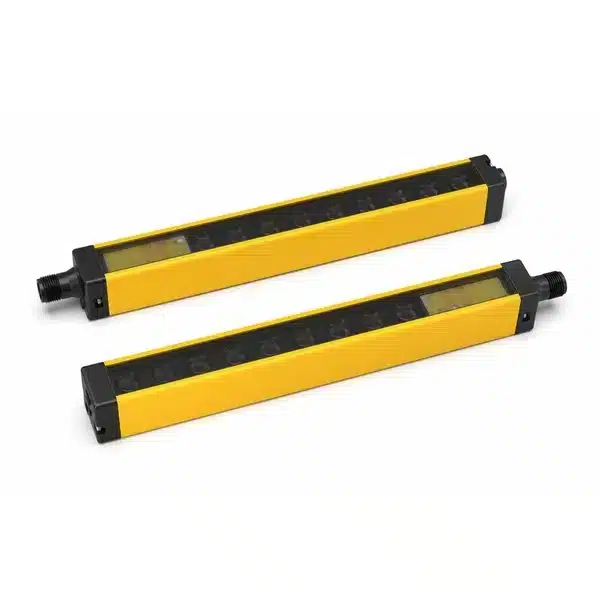
Enicstra stocks the full range of machine safety devices used to meet ISO 13849 and IEC 62061 requirements on industrial machinery: emergency-stop pushbuttons and pull-cord switches, safety light curtains and area scanners, safety relays and programmable safety controllers, gate interlocks (with and without guard locking), safety mats and edges, two-hand control units, and the safety-rated I/O modules that tie these devices to PLC-based safety systems.
Brands carried include Pilz PNOZ and PNOZmulti, Allen-Bradley Guardmaster (440 and MSR series), Siemens Sirius Safety, Sick safety products, Banner safety, Schmersal, Euchner, Omron G9SX, Keyence safety, and Fortress Interlocks. Obsolete safety devices are sourced through our supplier network. Each unit ships with a 12-month functional warranty on the device. Note: the device warranty covers function — safety-circuit validation in the installed application is the integrator's responsibility, independent of the device.
For an obsolete safety device, send the OEM part number for a quote within 1–2 business days.
Subcategories

Machine Safety
3,330 products
Machine safety solutions — hardware to implement risk-assessment-driven protection on industrial equipment.
Manual Safety Controls
319 products
Safety Products



Can't Find The Part You Need?
Send us the part number, manufacturer, quantity, and condition — we'll locate it.
How should safety certification be verified on a legacy safety device?
The OEM safety rating is the property of the unit when it was manufactured; surplus units retain that rating. We do not re-certify devices. The 12-month warranty covers functional failure of the device, not the safety case of the installed system, which the integrator validates.
Can I substitute a different brand if the OEM is discontinued?
Sometimes, but it changes the safety function in documentation terms and requires re-validation per ISO 13849. Sourcing the exact OEM part from surplus keeps the existing safety documentation valid, which is usually the lower-effort path.
Do you stock obsolete Pilz, Sick, and Allen-Bradley safety devices?
Yes. Discontinued PNOZ X-series, retired Sick C4000 light curtains, end-of-life 440R safety relays, and earlier S300 laser scanners are sourced through our supplier network.
Are configuration files included with configurable safety devices?
Surplus units typically ship in their last-imaged or factory-default state. The application configuration is created in the OEM tool (PNOZmulti Configurator, ASIMON, Flexi Soft Designer) by the integrator and loaded onto the device.
How fast is shipping?
In-stock items ship same or next business day from St. Louis. Free US over $50, free international over $350.
What is the warranty?
12-month functional warranty on the device. Safety-function performance in the application is the integrator's responsibility, independent of the device warranty.