

Embedded PCs
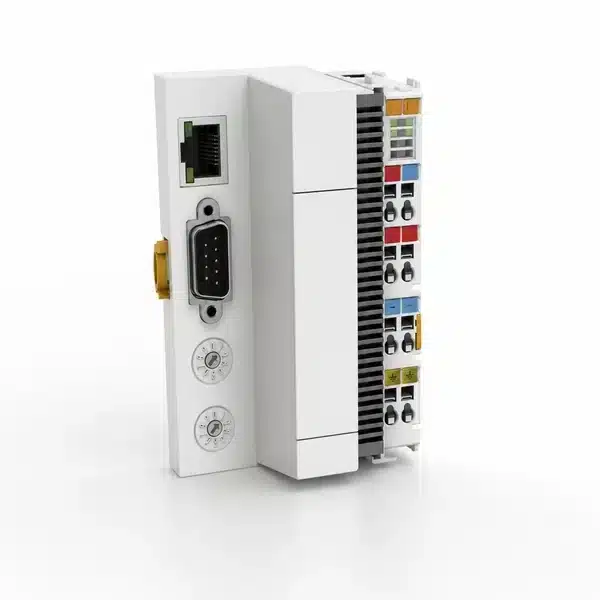
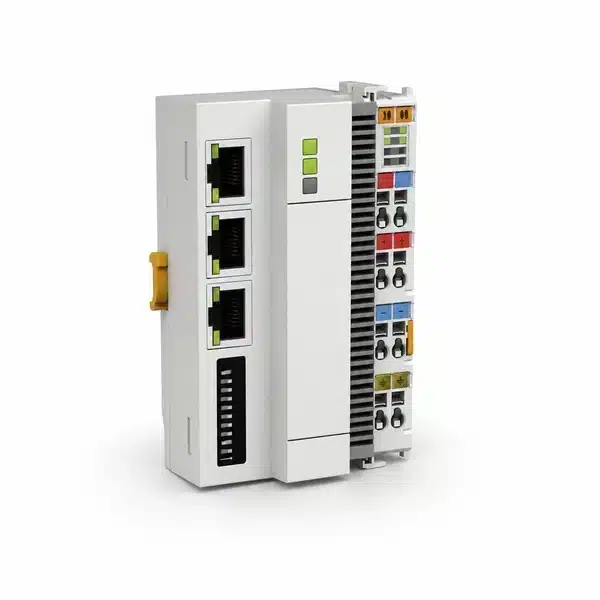
Enicstra stocks embedded PCs — compact, typically fanless industrial computers designed for OEM integration into machines, kiosks, vehicles, and edge-computing nodes. Embedded PCs trade peak CPU performance for small footprint, silent passive cooling, wide-range DC input, and DIN-rail or VESA mounting.
Brands carried include Advantech UNO and ARK series, Beckhoff CX9020/CX5130/CX5140 and similar embedded CX models, Siemens SIMATIC IPC127/IPC227/IPC427, Kontron KBox and pITX, AAEON BOXER, and ASRock Industrial iEP. Obsolete embedded PCs and discontinued OEM platforms are sourced through our supplier network. Each unit is bench-tested for power-up and ships with a 12-month functional warranty.
For an obsolete embedded PC, send the OEM part number for a quote within 1–2 business days.
Embedded PCs






Can't Find The Part You Need?
Send us the part number, manufacturer, quantity, and condition — we'll locate it.
Do you stock obsolete embedded PCs?
Yes. End-of-life Advantech UNO-1000/2000, Beckhoff CX1010/CX1020/CX9000, Siemens SIMATIC IPC127E/227D, and retired Kontron pITX boards are sourced through our supplier network.
Is the OS image included?
For units shipped with an OEM-installed OS, yes — the unit boots into that image. For bare-hardware units, no OS is included and a recovery image from the OEM is required. We state the OS state on each listing.
Can I move my application image between embedded PCs?
If the model and BIOS revision match, usually yes after driver reinstall. Across generations, image migration often requires hardware-specific drivers and Windows reactivation. eMMC-based units complicate this further because the storage is non-removable.
Does a Beckhoff CX include TwinCAT?
TwinCAT licensing is encoded in the unit's hardware ID and stored in an eMMC/CF/SSD image. New units may include the original runtime license or require relicensing through Beckhoff — we state the situation on each listing.
What is the typical power input?
Most embedded PCs accept wide-range 9–36 VDC; some accept 12 V or 24 V only. Always verify against the listed input range before connecting to machine power.
What is the warranty?
12 months functional warranty on the hardware. Damage from over-voltage, reverse polarity, or extended operation outside the rated temperature range is not covered.