

Ultrasonic Sensors
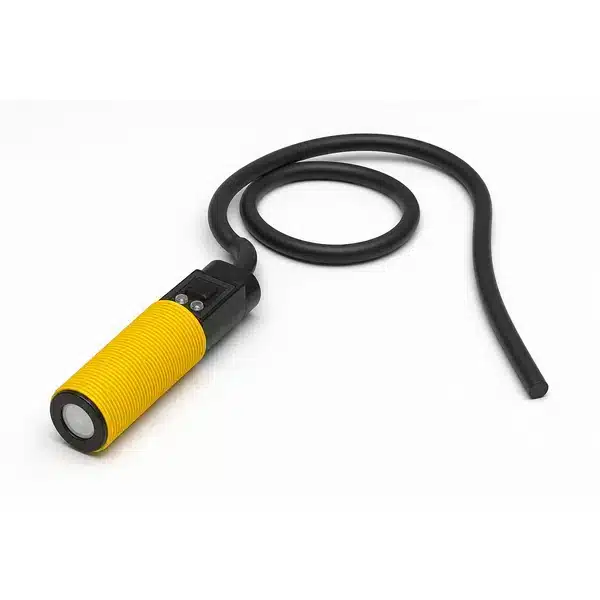
Enicstra stocks ultrasonic sensors for non-contact distance, level, and presence detection. Ultrasonic works on virtually any target material — solid, liquid, opaque, transparent, dark — making it a fallback when photoelectric detection fails. Inventory covers barrel-style and block-style sensors with analog, switch, and IO-Link outputs.
Brands carried include Pepperl+Fuchs UB and UC series, Banner U-GAGE and QT50U, Senix ToughSonic, Migatron, and Siemens Sonar-BERO. Obsolete and discontinued ultrasonic sensors are sourced through our supplier network — units are bench-tested and ship with a 12-month functional warranty.
Send the OEM part number for any obsolete ultrasonic sensor and a quote returns within 1–2 business days.
Subcategories
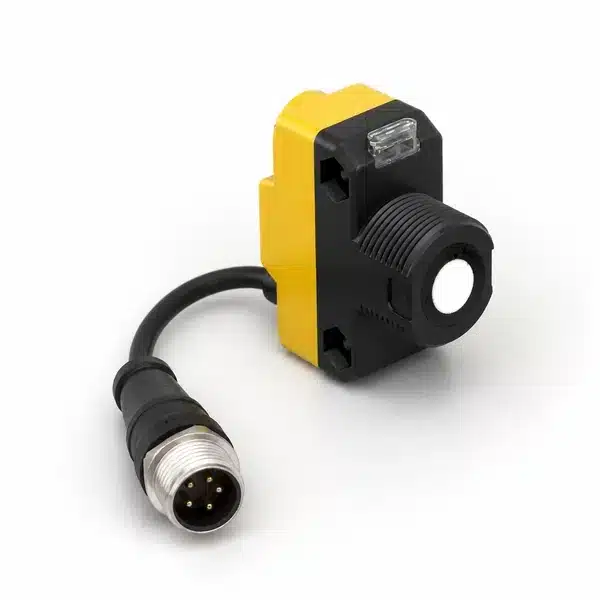
Ultrasonic Distance Sensors
103 products
Ultrasonic Fork Sensors
9 products
Ultrasonic Proximity Sensors
77 products
Ultrasonic Sensors





Can't Find The Part You Need?
Send us the part number, manufacturer, quantity, and condition — we'll locate it.
Will ultrasonic work on foam or insulation?
Usually no — soft and porous surfaces absorb the pulse. For foam-covered liquid, use a guided-wave radar or capacitive sensor instead. We will flag the risk if your application sounds marginal.
What is the blind zone and why does it matter?
The blind zone is the near distance where the transducer is still ringing from emitting and cannot reliably receive. Targets inside that zone are missed. Pick a sensor with a blind zone shorter than your closest expected target.
Can ultrasonic sensors detect clear or dark targets?
Yes — that is one of the main reasons to choose ultrasonic over photoelectric. Color and transparency do not affect the acoustic return.
Do you stock obsolete Pepperl+Fuchs and Banner ultrasonics?
Yes. Legacy UB and UC series, older U-GAGE T30U and QT50U variants are sourced regularly.
How does temperature affect accuracy?
The speed of sound rises about 0.6 m/s per °C. Over a 20 °C swing, a 1 m measurement shifts about 4 mm. Models with built-in temperature compensation correct for this; check the datasheet if accuracy matters.
What is the warranty?
12 months functional, on new, surplus, and refurbished stock.