

Input Unit
Enicstra stocks PLC input units — the rack-mount and DIN-rail modules that accept field signals (sensor outputs, switch contacts, analog process signals, temperature elements) and present them to the PLC processor. Inventory covers digital input units (24 VDC sourcing/sinking, 120/230 VAC, 48 VDC), analog input units (voltage, current, mixed), specialty input units (thermocouple, RTD, weighing, encoder, high-speed counter), and the bus couplers that connect remote input drops to fieldbus networks.
Brands carried include Allen-Bradley 1746-IB16, 1756-IB32D, 1769-IQ32, 1734-IB8, Siemens SM 321/SM 322 and ET 200SP input modules, Mitsubishi QX/QY and RX input cards, Omron CJ1W-ID/IA input, Beckhoff EL1004/EL3000-series, Wago 750-series digital and analog input, and Phoenix Contact AXC F input modules. Obsolete input units — discontinued 1746-IB16 first generations, retired SM 321 codes, end-of-life QX-series — are sourced through our supplier network. Each module is bench-tested for channel function and ships with a 12-month functional warranty.
For an obsolete input unit, send the OEM part number for a quote within 1–2 business days.
Input Unit
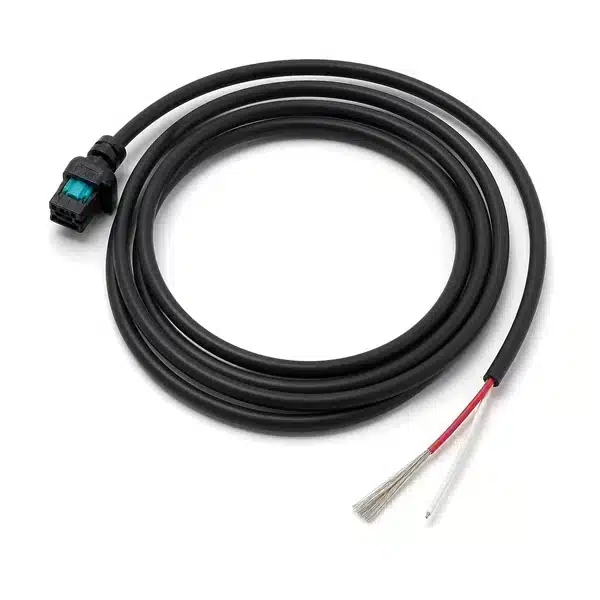


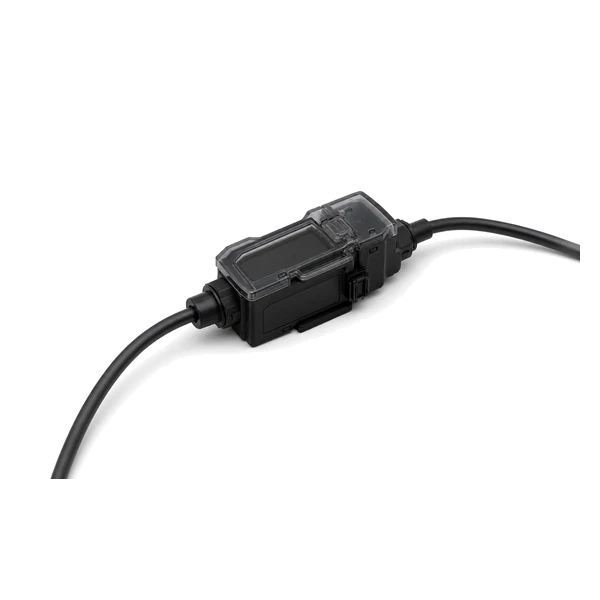
$499.12/ea
In Stock

$694.09/ea
In Stock


$808.82/ea
In Stock
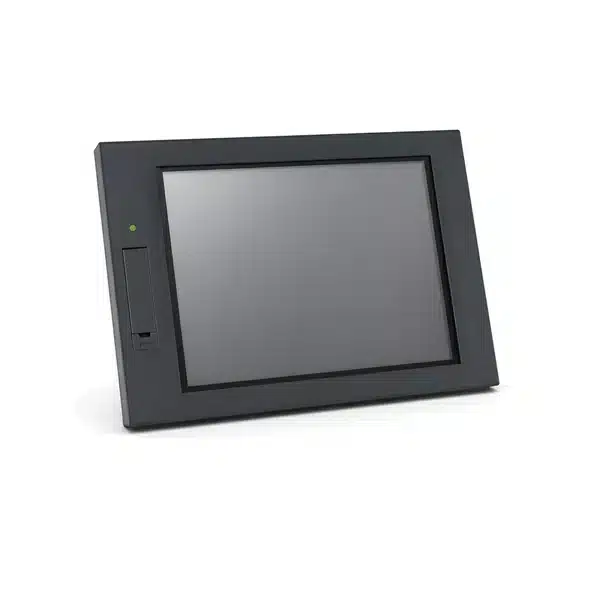
$1,552.74/ea
In Stock
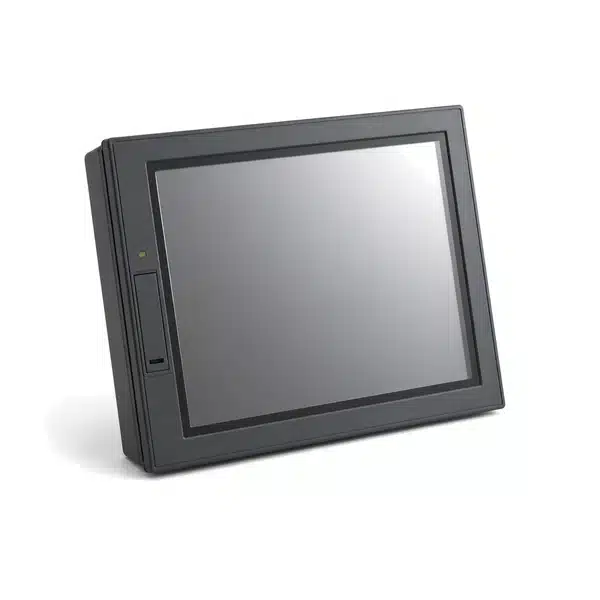
$1,626.62/ea
In Stock

$2,076.18/ea
In Stock
Can't Find The Part You Need?
Send us the part number, manufacturer, quantity, and condition — we'll locate it.
Do you stock obsolete PLC input units?
Yes. Discontinued Allen-Bradley 1746/1756 input codes, retired Siemens SM 321/SM 331, end-of-life Mitsubishi QX input modules, and earlier Omron CJ1W-IA are sourced through our supplier network.
Sinking vs. sourcing digital input — which do I have?
Sinking input: field device supplies +24 V to the input terminal; input card pulls to common. Sourcing input: input card supplies +24 V to the input terminal; field device pulls to common. Wiring is opposite; both work but match the module to the existing field wiring.
Will the input module need configuration?
Yes — modern PLC input modules need device-description files (GSDML, ESI, EDS) imported into the engineering tool, plus channel configuration (signal range, alarm setpoints, scaling). Out-of-the-box modules typically have default settings that may not match the field signals.
Can I substitute a higher-resolution analog module?
Yes — higher resolution gives finer reading. Verify the PLC tag types and scaling logic accommodate the new bit count. Some upgrades require tag-table changes in the PLC program.
Does the input module need separate power?
Most input modules draw power from the backplane. Some isolated or high-density modules need external 24 V on a dedicated terminal. The OEM datasheet specifies.
What is the warranty?
12-month functional warranty. Damage from over-voltage on inputs (especially analog), short-circuit on input power buses, or miswiring is not covered.