

Machine Vision Lighting
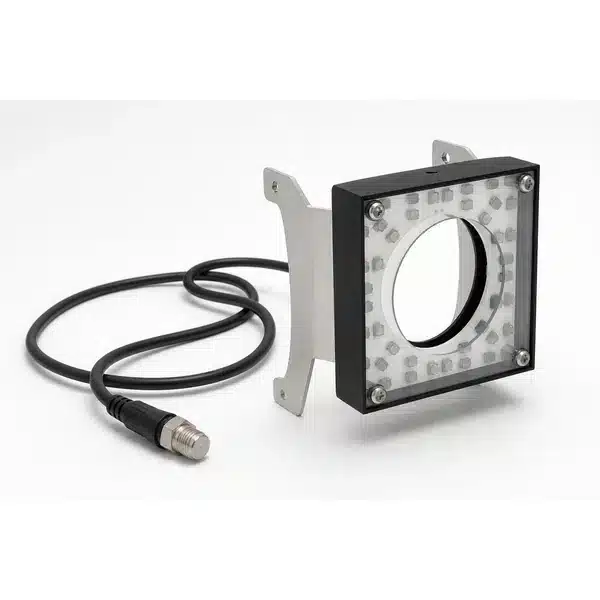
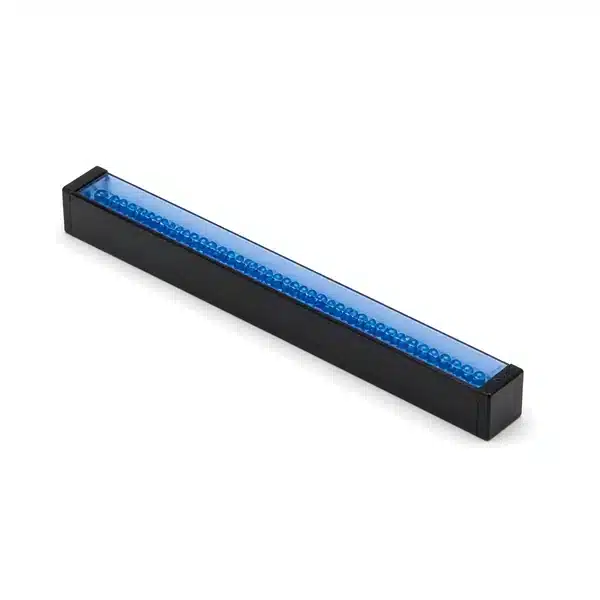
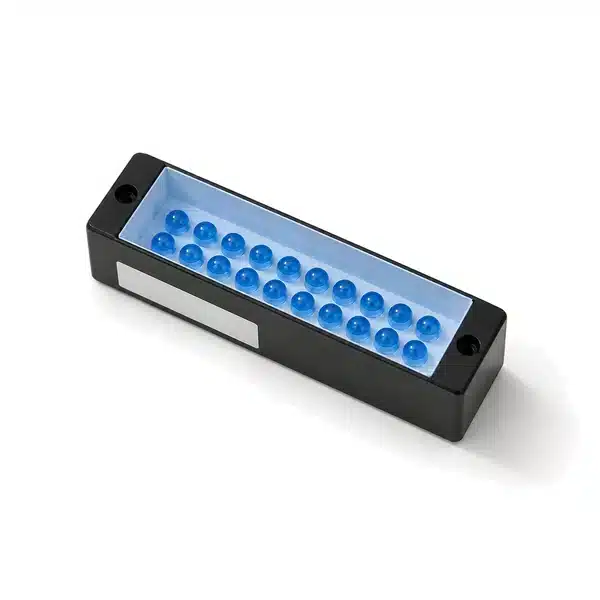
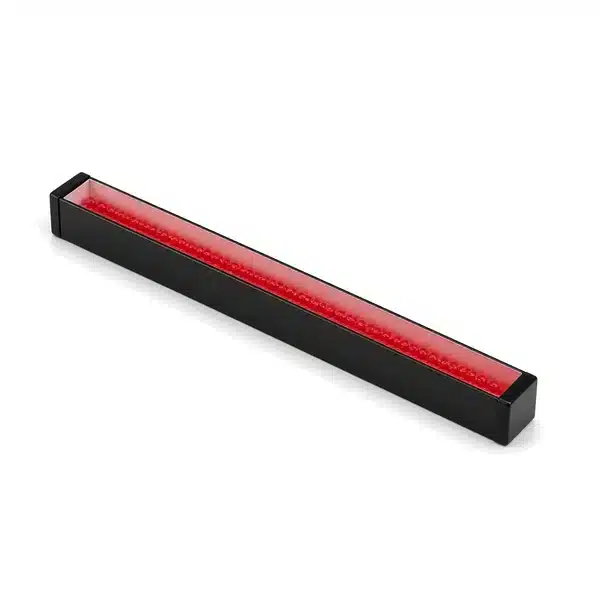
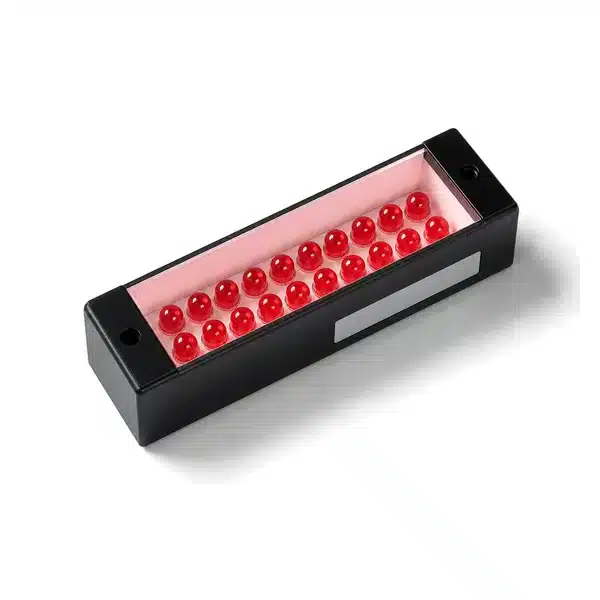
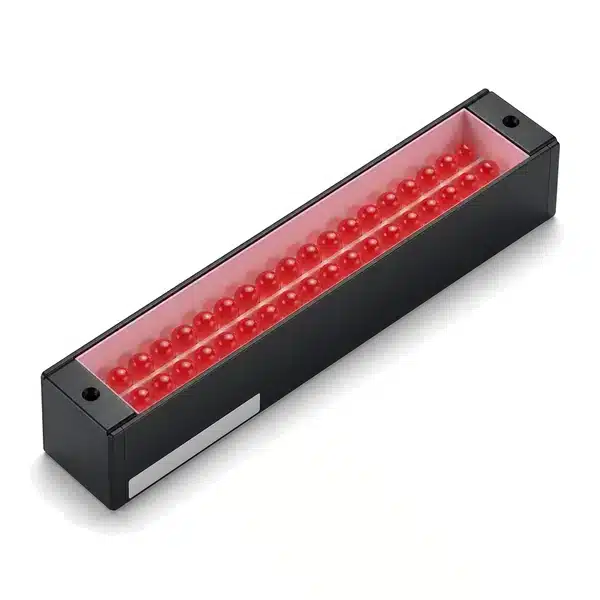
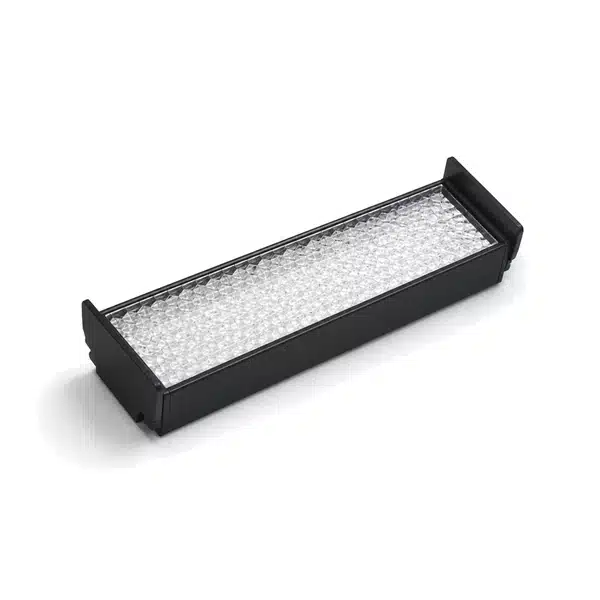
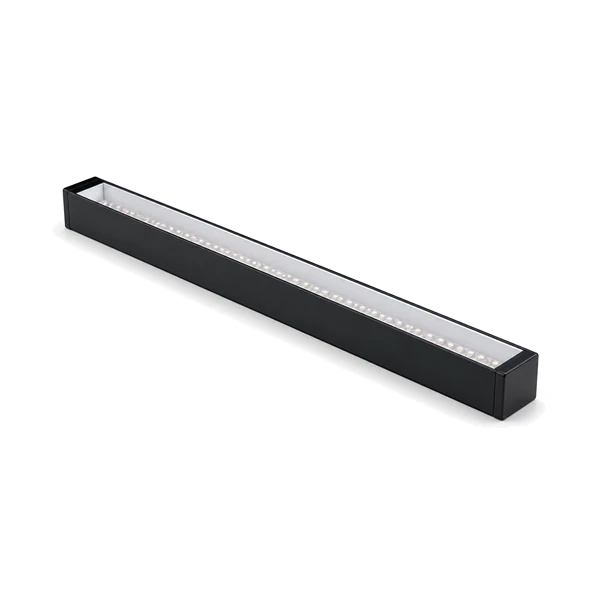
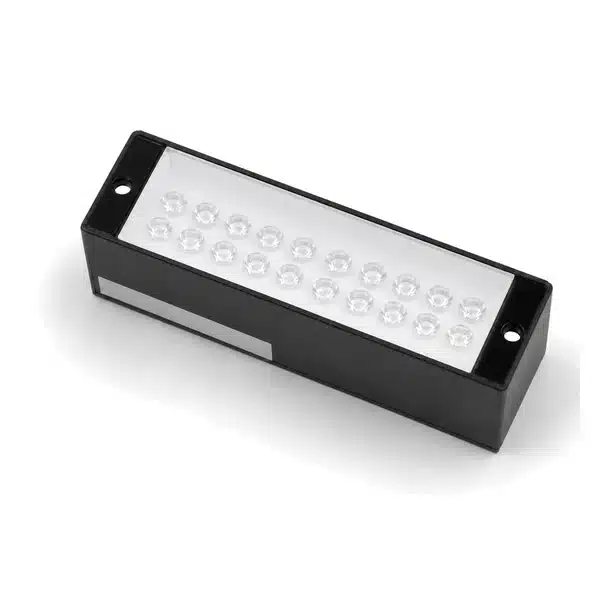
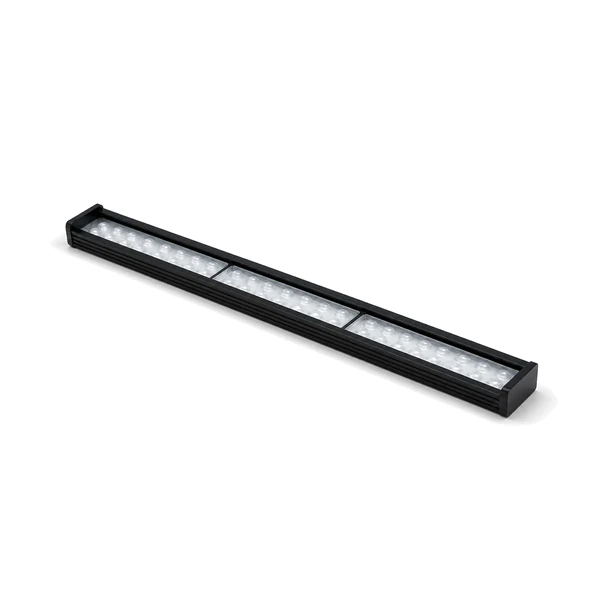
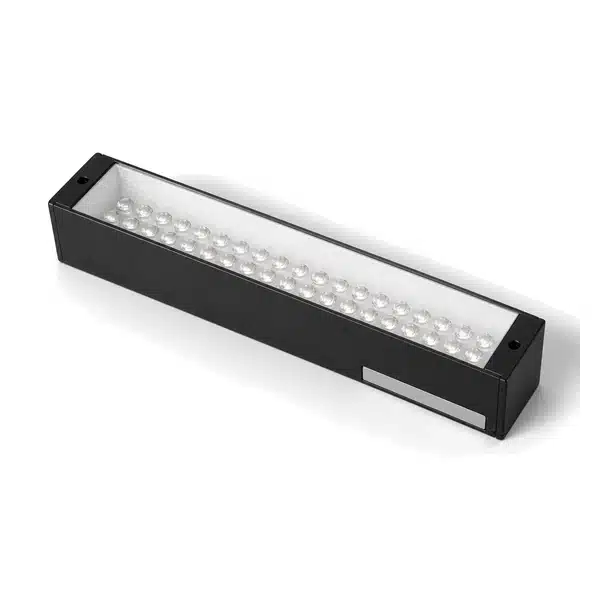
Enicstra stocks specialty lighting designed for machine vision applications: ring lights for coaxial illumination, bar lights for line-scan and side illumination, dome lights for diffuse uniform illumination of reflective surfaces, backlights for transparent and silhouette inspection, low-angle (dark-field) lights for surface-defect inspection, structured-pattern lights, and the constant-current LED controllers that drive them with strobe or continuous output.
Brands carried include Smart Vision Lights, CCS America, Advanced Illumination (Ai), Stemmer Imaging Effilux, Vision Light Tech, Banner LEDIA, Metaphase, and OEM vision lighting from Keyence and Cognex. Obsolete machine vision lighting — discontinued CCS first generations, retired Smart Vision Lights early codes, end-of-life Ai DL-series — are sourced through our supplier network. Each light is bench-tested for LED function and ships with a 12-month functional warranty.
For obsolete machine vision lighting, send the OEM part number for a quote within 1–2 business days.
Machine Vision Lighting
$1,562.46/ea
In Stock
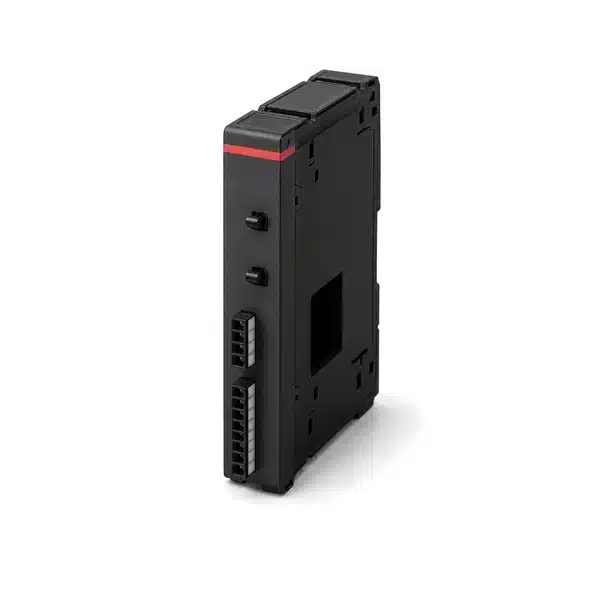
$355.12/ea
In Stock
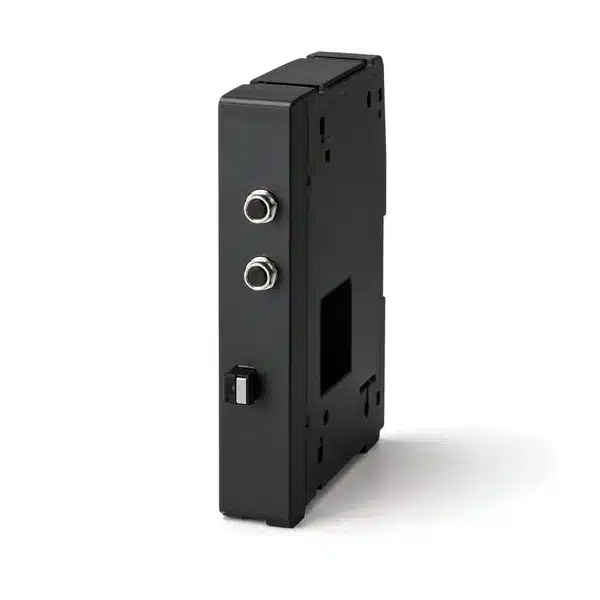
$2,061.52/ea
In Stock
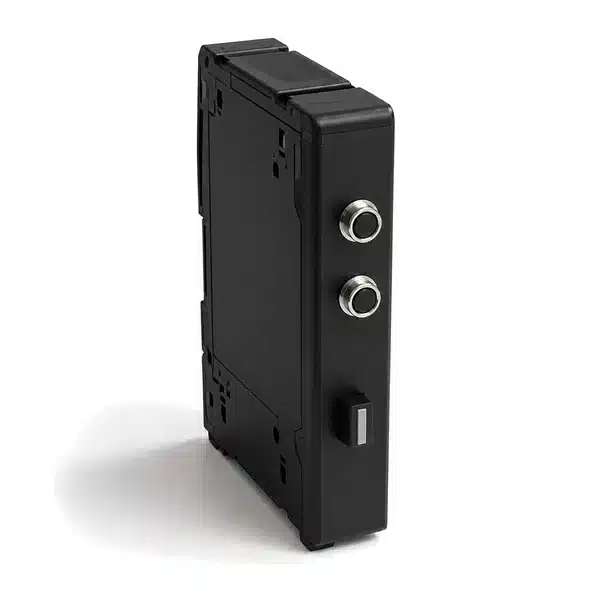
$1,238.44/ea
In Stock
Can't Find The Part You Need?
Send us the part number, manufacturer, quantity, and condition — we'll locate it.
Do you stock obsolete vision lighting?
Yes. Discontinued CCS America first generations, retired Smart Vision Lights early codes, end-of-life Advanced Illumination DL-series, and earlier Banner LEDIA are sourced through our supplier network.
What lighting geometry should I use?
Depends entirely on application: ring for general flat inspection, dome for shiny/curved, backlight for silhouette and dimensional, low-angle for surface defects. The wrong geometry makes inspection impossible regardless of camera quality.
Strobe vs. continuous — which should I use?
Strobe for high-speed lines (extends LED life, reduces motion blur, higher peak brightness). Continuous for low-speed or static inspections. Most modern vision lighting supports both modes via the controller.
Do I need a special controller?
Yes for almost all serious vision lighting. LED controllers provide constant-current drive matched to the LED spec, strobe triggering, and brightness control. Powering vision lights directly from 24 V supply gives incorrect current, reduced lifetime, and color shift.
What LED color should I use?
Red works well on many surfaces and has good camera response. Blue gives contrast on red surfaces. IR is invisible to operators (covert detection). UV reveals fluorescence. White is general-purpose but lower contrast than monochrome. Test with the application before committing.
What is the warranty?
12-month functional warranty on the light. LED brightness decline over time is normal (L70 = 70% output at end of rated life) and not a warranty event. Damage from incorrect drive current or overheating is not covered.