Machine Vision Lighting

Machine Vision Lighting
45 Products
View
< of 3 >
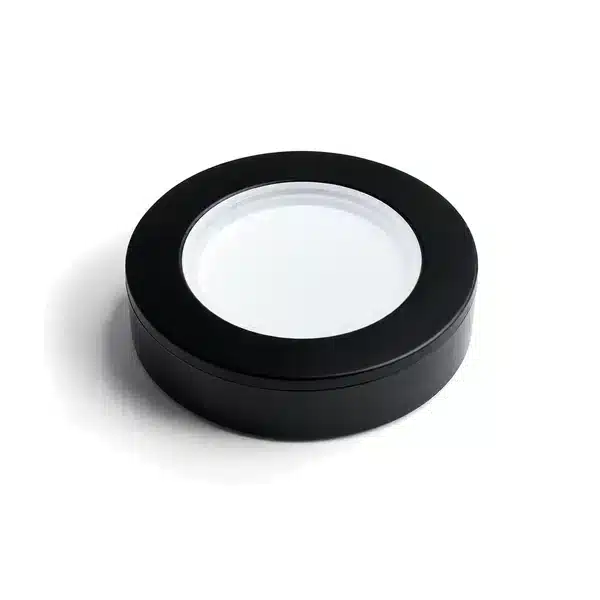
Keyence CA-DC40E Light expansion unit
$355.12/ea Available
+ Product Group
Keyence CA-DC50E Light expansion unit (Supporting LumiTrax)
$2,061.52/ea Available
+ Product Group
Keyence CA-DC60E LED light expansion unit
$1,238.44/ea Available
+ Product Group
Keyence CA-DDR15 Red Dome Light ø152
$1,084.93/ea Available
+ Product Group
Keyence CA-DDW15 White Dome Light ø152
$3,199.39/ea Available
+ Product Group
Keyence CA-DDW8 White Dome Light ø87
$3,299.85/ea Available
+ Product Group
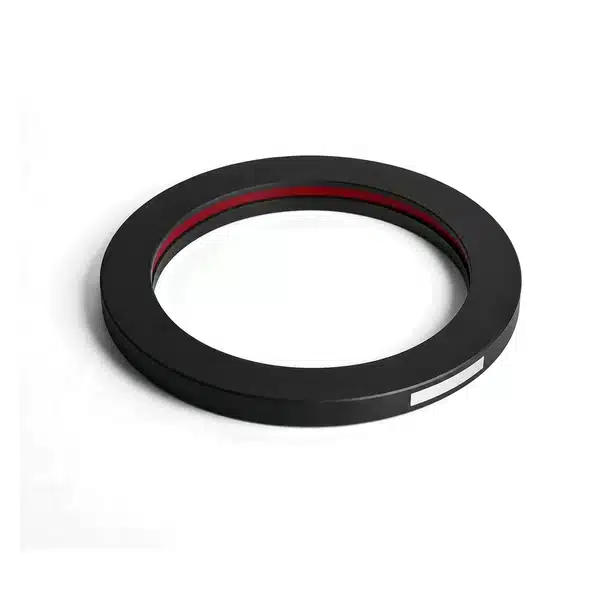
Keyence CA-DLR10 Red Low Angle Light 100-70
$290.12/ea Available
+ Product Group
Keyence CA-DLR12 Red Low Angle Light 125-95
$1,146.94/ea Available
+ Product Group
Keyence CA-DLR7 Red Low Angle Light 75-46
$610.55/ea Available
+ Product Group
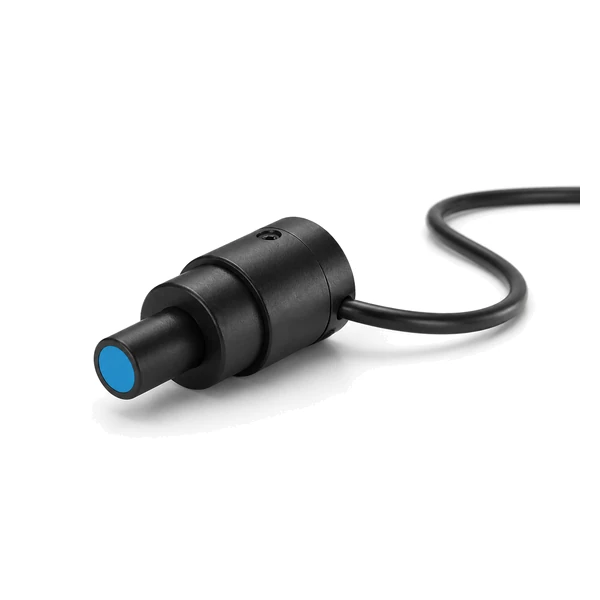
Keyence CA-DPB2 Blue Spot Light
$220.28/ea Available
+ Product Group
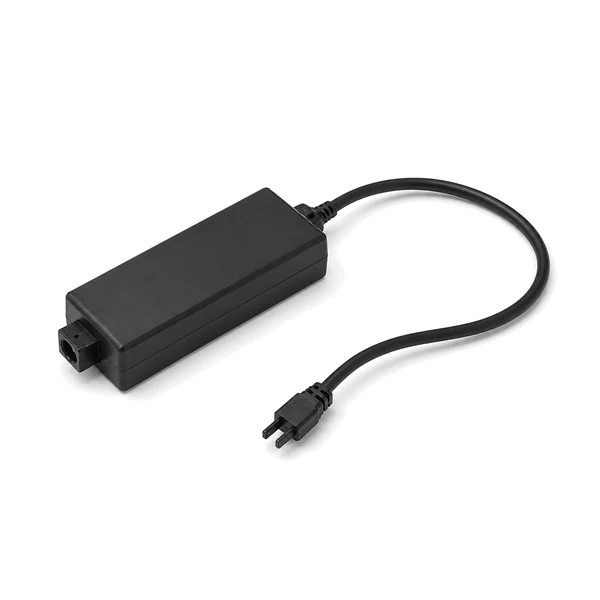
Keyence CA-DPU2 Dedicated power adapter
$84.85/ea Available
+ Product Group
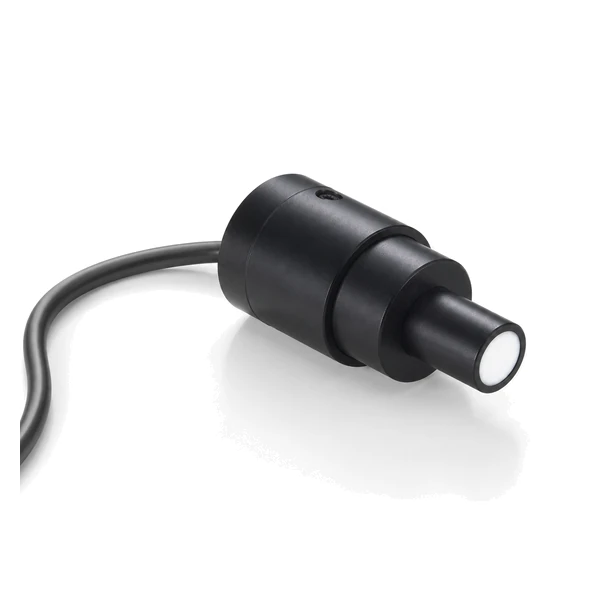
Keyence CA-DPW2 White Spot Light
$184.30/ea Available
+ Product Group
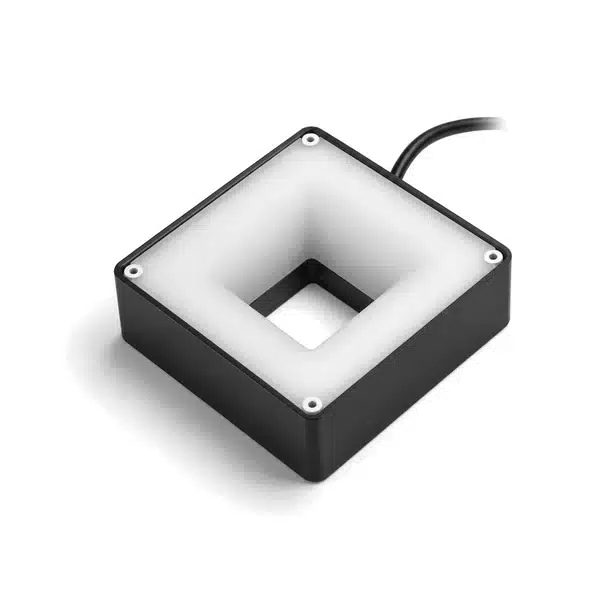
Keyence CA-DQB15 Blue Square Light (Direct)
$764.63/ea Available
+ Product Group
Keyence CA-DQW7M White Multi-angle Light (Square)
$436.37/ea Available
+ Product Group
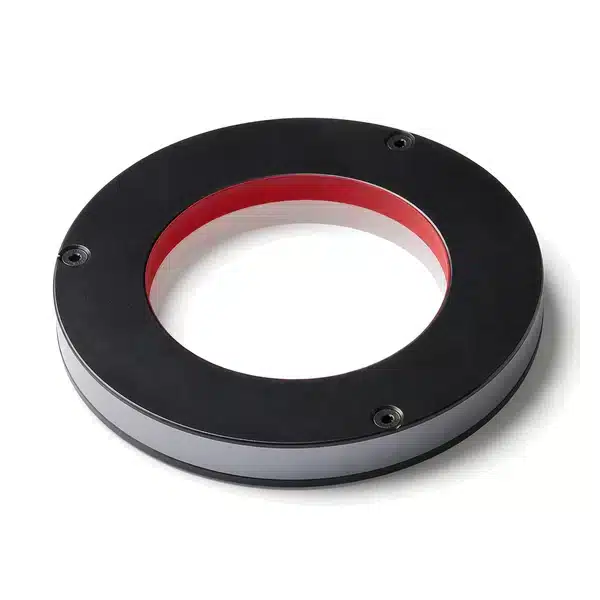
Keyence CA-DRB8M Blue Round Multi-angle Light 80-36
$754.12/ea Available
+ Product Group
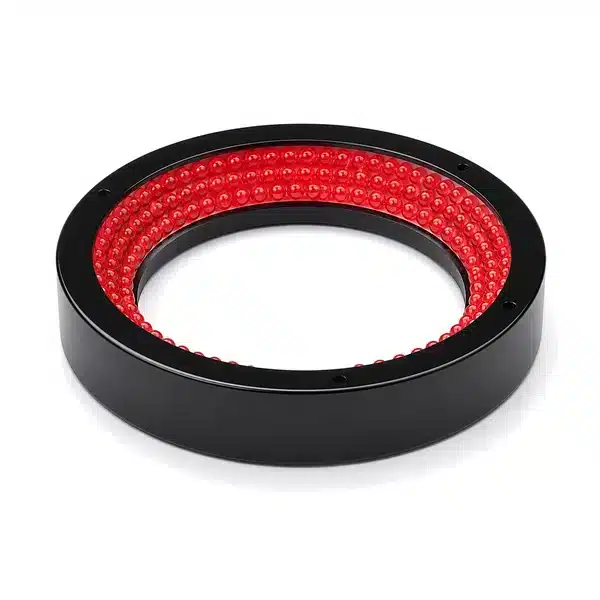
Keyence CA-DRR3 Red Direct Ring Light 38-15
$658.33/ea Available
+ Product Group

Can't Find The Part You Need?

Send us the part number, manufacturer, quantity, and condition — we'll locate it.

Request a Quote

Choosing Machine Vision Lighting components

Machine vision lighting is application-specific: the wrong lighting geometry makes a great camera and lens produce unusable images, while the right lighting makes inspection problems look easy. Selection depends on the target surface, the defect to be highlighted, and the required cycle time.

Lighting geometry by application:

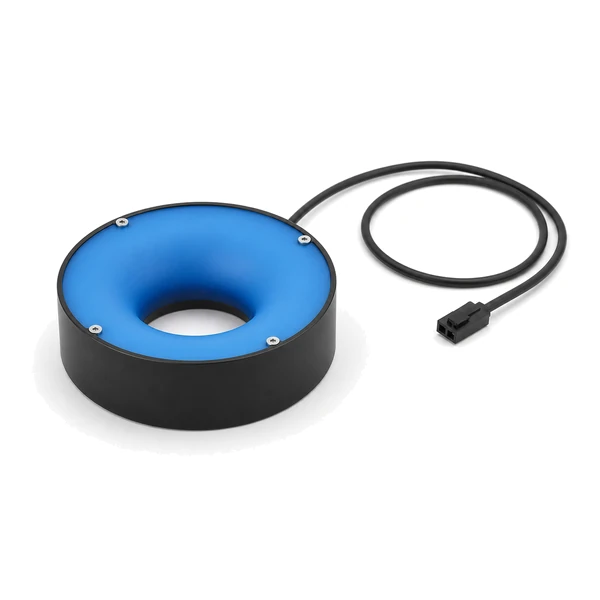
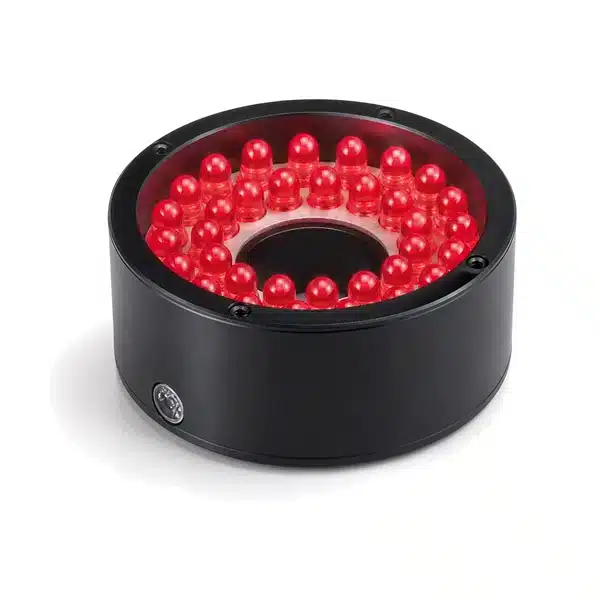
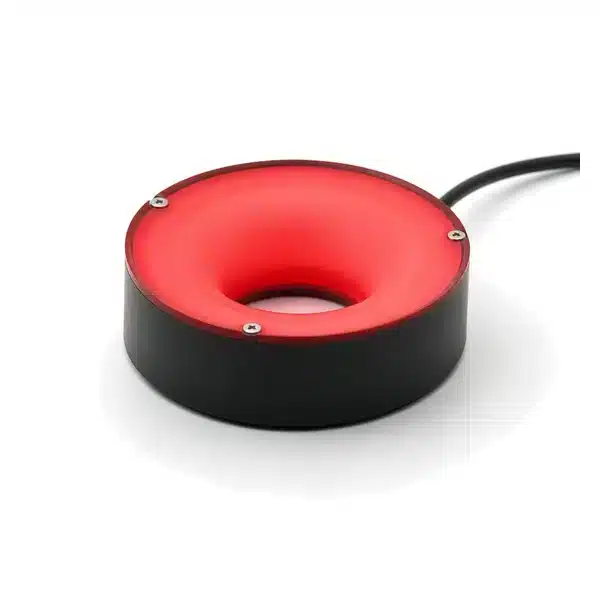
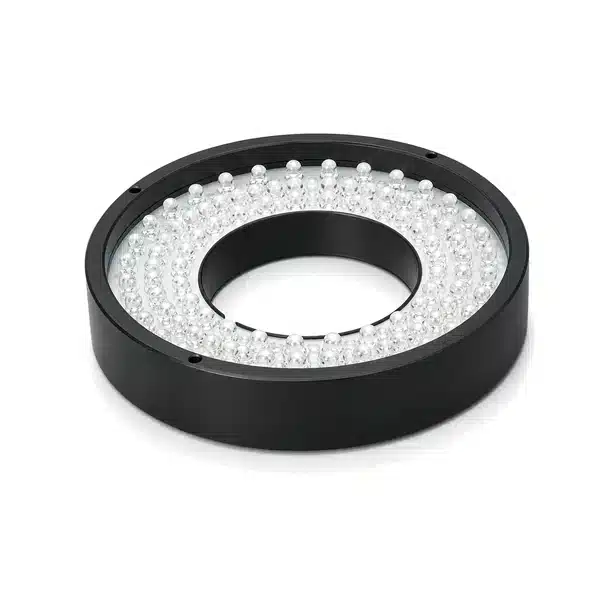
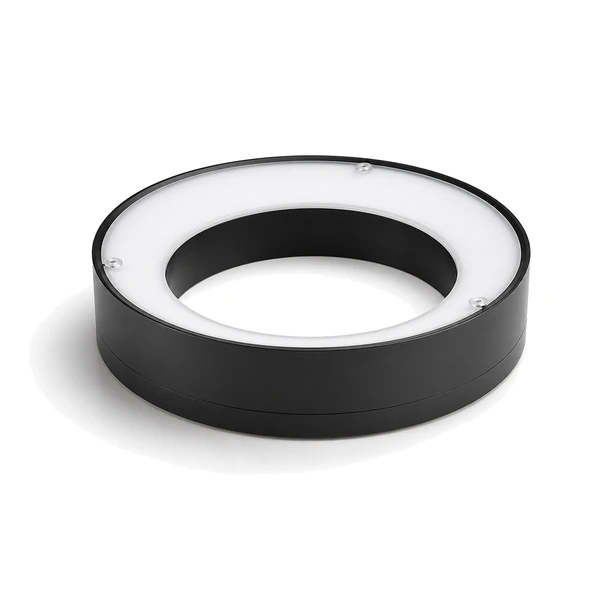
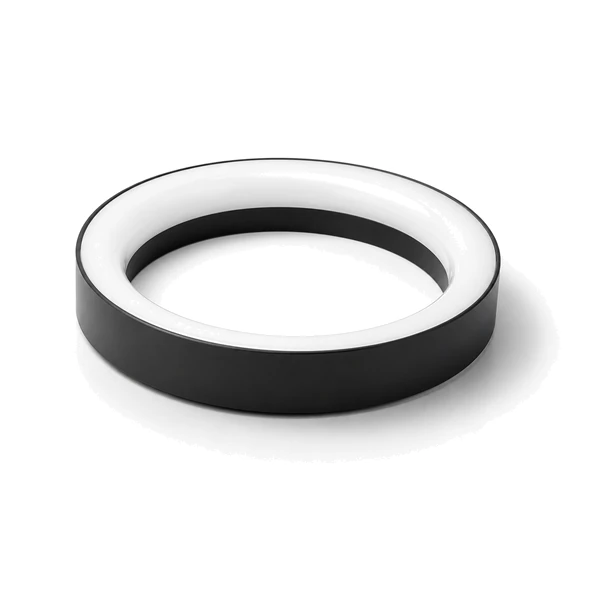
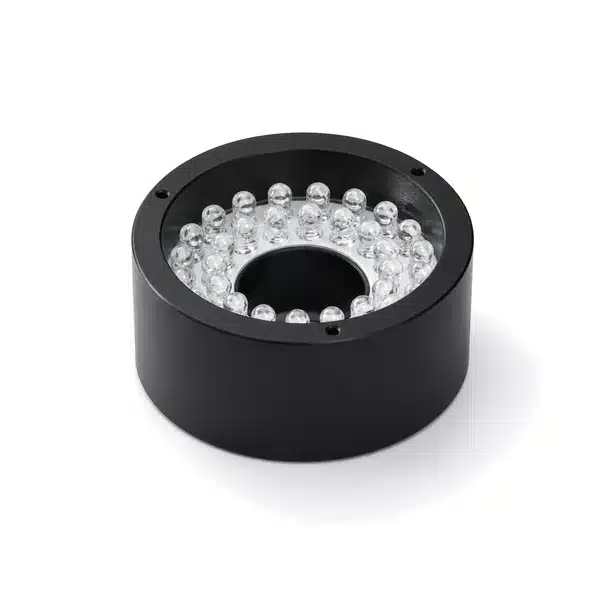
  • Ring light: coaxial illumination from around the lens — general inspection, label-presence verification, OCR/OCV. Easy to set up, produces hot spots on shiny surfaces
  • Bar light: linear illumination from one or both sides — line-scan inspection, web inspection, raking light for surface defects
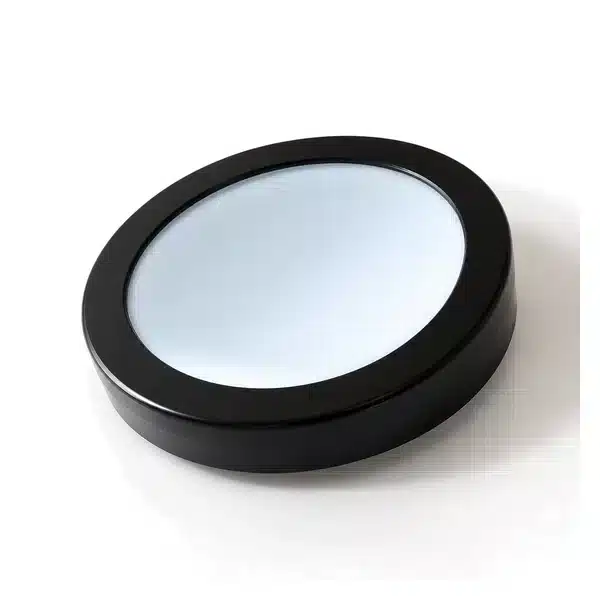
  • Dome light: diffuse hemispherical illumination — shiny and curved surfaces (cans, bottles, painted parts) where hot spots must be eliminated
  • Backlight: illuminated panel behind the part — transparent inspection, silhouette and edge detection, dimensional measurement
  • Low-angle (dark-field): light grazing the surface at a shallow angle — surface defects (scratches, dents, embossing) that reflect light off-axis
  • Coaxial / on-axis: light directed along the optical axis through a beam-splitter — mirror surfaces, foiled labels
  • Structured pattern: projected line or grid pattern — 3D profile inspection, height measurement

Other specs:

  • LED color: red (deep penetration on certain materials), white (color inspection), blue (high contrast on red marks), IR (covert detection, hot-object imaging), UV (fluorescence)
  • Strobe vs. continuous — strobe extends LED life and reduces motion blur on fast lines
  • LED controller — constant-current driver matched to the LED specification
  • Trigger input from camera or PLC (typically 5 V or 24 V pulse)
  • Cooling — high-power LED lights run hot and need adequate convection

Common gotchas: a bright LED light run continuously at full output overheats and degrades quickly; the same light strobed gets brighter peak output AND longer lifetime. LED color choice matters more than expected — a blue defect on red background pops with red illumination and disappears under white. Dome lights eliminate hot spots but lose much of their brightness through the diffuser; budget for higher-power versions than equivalent ring lights. Light controllers and lights are usually a matched pair — substituting either alone changes the LED drive current and the resulting brightness/color.

Typical applications: label presence verification (ring), web defect detection (bar with rake light), bottle inspection (dome), bag inspection for fill level (backlight), surface defect detection on machined parts (low-angle), and 2D code reading on shiny stainless (coaxial).

For obsolete machine vision lighting, send the OEM part number for a sourcing quote.

Do you stock obsolete vision lighting?
Yes. Discontinued CCS America first generations, retired Smart Vision Lights early codes, end-of-life Advanced Illumination DL-series, and earlier Banner LEDIA are sourced through our supplier network.
What lighting geometry should I use?
Depends entirely on application: ring for general flat inspection, dome for shiny/curved, backlight for silhouette and dimensional, low-angle for surface defects. The wrong geometry makes inspection impossible regardless of camera quality.
Strobe vs. continuous — which should I use?
Strobe for high-speed lines (extends LED life, reduces motion blur, higher peak brightness). Continuous for low-speed or static inspections. Most modern vision lighting supports both modes via the controller.
Do I need a special controller?
Yes for almost all serious vision lighting. LED controllers provide constant-current drive matched to the LED spec, strobe triggering, and brightness control. Powering vision lights directly from 24 V supply gives incorrect current, reduced lifetime, and color shift.
What LED color should I use?
Red works well on many surfaces and has good camera response. Blue gives contrast on red surfaces. IR is invisible to operators (covert detection). UV reveals fluorescence. White is general-purpose but lower contrast than monochrome. Test with the application before committing.
What is the warranty?
12-month functional warranty on the light. LED brightness decline over time is normal (L70 = 70% output at end of rated life) and not a warranty event. Damage from incorrect drive current or overheating is not covered.
Shopping Cart