

Cables and Plug-in Connectors
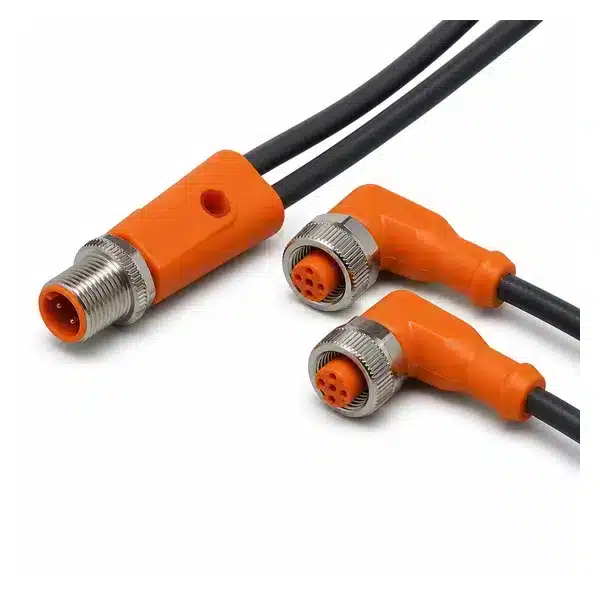
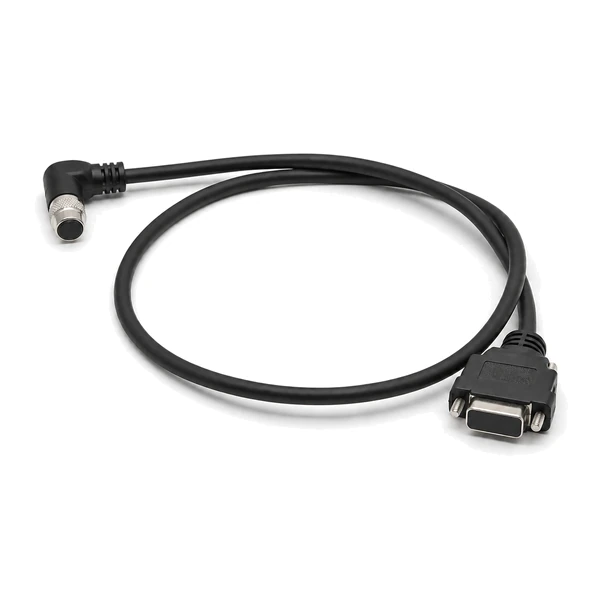
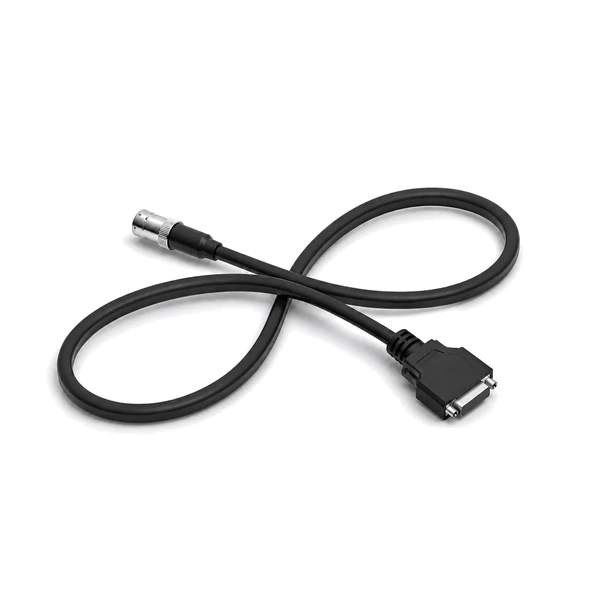
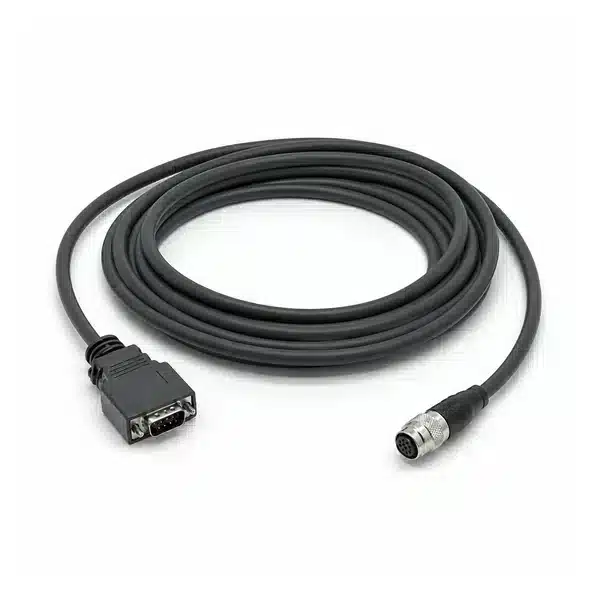
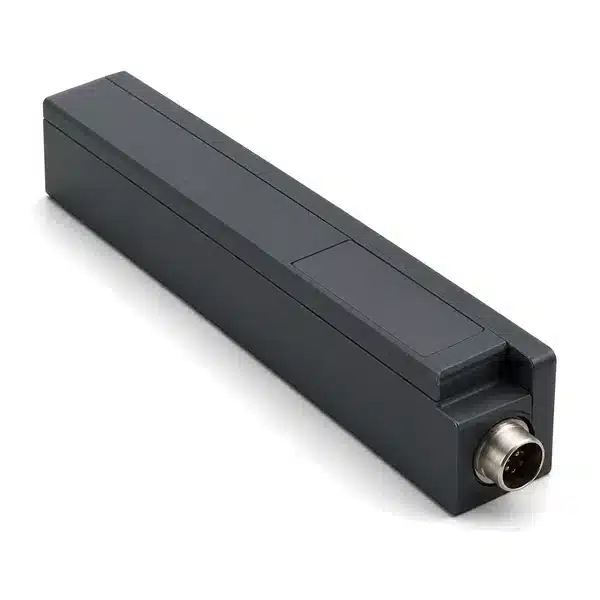
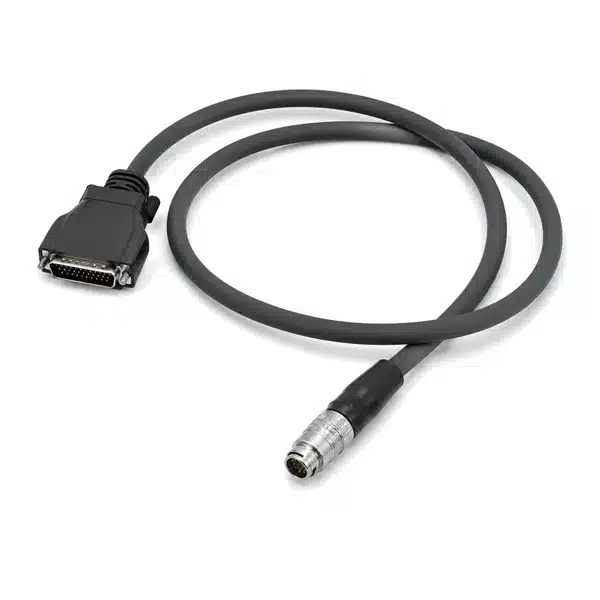
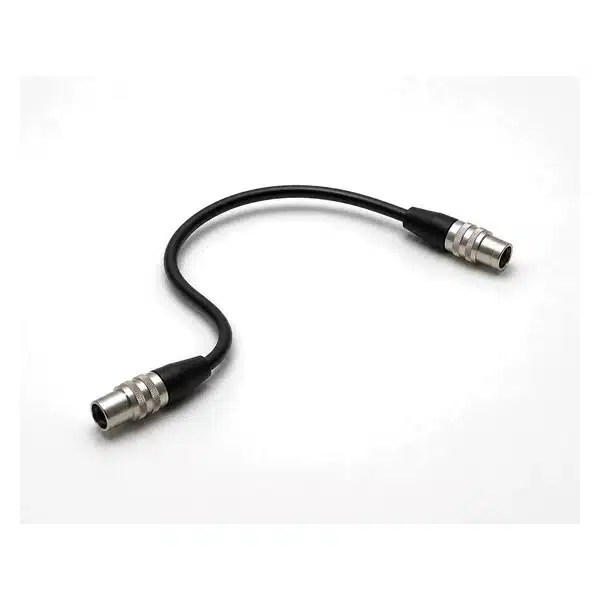
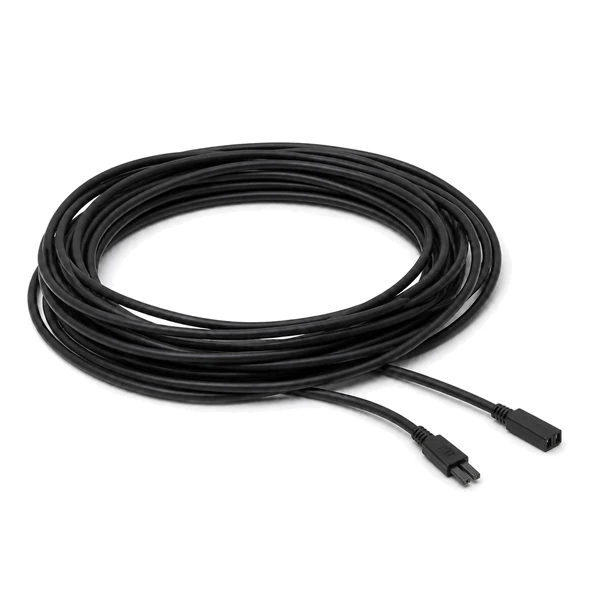
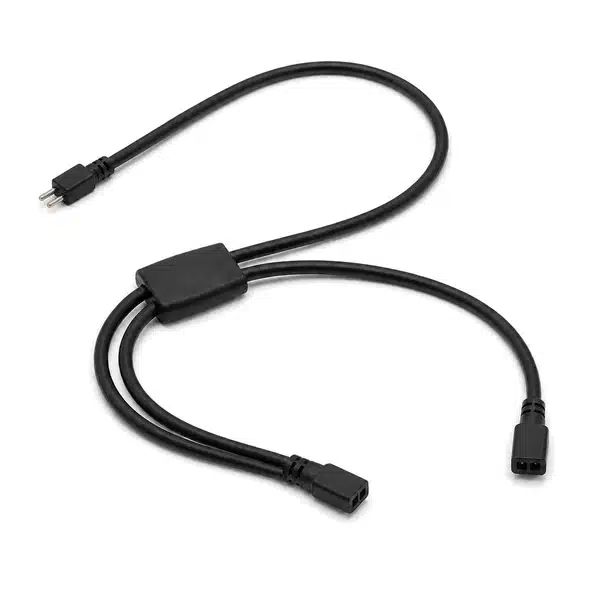
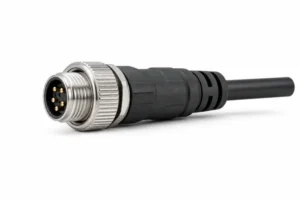
Enicstra stocks pre-wired sensor and actuator cables with molded M8 and M12 connectors, paired with field-wireable plug-in connectors for panel-side termination and repair. This is the day-to-day wiring kit for connecting industrial sensors, valves, and small actuators to PLC I/O — pre-terminated for speed on the device end, field-wireable on the cabinet end.
Brands carried include Phoenix Contact M-series, Murr Elektronik MOSA and MASI, Lumberg RST/RKT/WST, Turck WK/RK, Hirschmann ELWIKA, Banner MQDC, Allen-Bradley 889D, and Sick KL/KD-style. Obsolete pre-wired cables and discontinued field-wireable codes are sourced through our supplier network. Items ship with a 12-month functional warranty.
For an obsolete cable or field-wireable connector, send the OEM part number for a quote within 1–2 business days.
Cables and Plug-in Connectors


$1,024.98/ea
In Stock
$282.02/ea
In Stock
$458.68/ea
In Stock
$403.07/ea
In Stock
$317.35/ea
In Stock

$386.42/ea
In Stock
$453.98/ea
In Stock
$864.18/ea
In Stock
$197.47/ea
In Stock

$513.31/ea
In Stock
Can't Find The Part You Need?
Send us the part number, manufacturer, quantity, and condition — we'll locate it.
Do you stock obsolete pre-wired cables?
Yes. Discontinued Lumberg legacy codes, retired Turck WK-series first generations, end-of-life Phoenix Contact SAC, and earlier Murr MOSA codes are sourced through our supplier network.
Can cable assemblies be made to custom length?
Most OEM cable families offer many standard lengths (0.3, 1, 2, 5, 10, 20 m). Custom lengths can sometimes be ordered direct from the manufacturer but at extended lead time. We can quote both standard and custom lengths.
PVC vs. PUR — does it matter?
PVC for indoor, climate-controlled, dry environments. PUR for drag chains, oil/coolant exposure, outdoor, and continuous-flex applications. PVC in a drag chain fails (cracks, kinks) within months; PUR is rated for millions of bend cycles.
What if I need an M12 cable with both ends connectors?
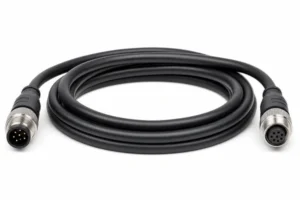
Cable-to-cable (extension cable) assemblies are stocked in standard lengths. Specify male-to-female for direct extension, or male-to-male / female-to-female for special applications. Verify pinout (straight pin-to-pin vs. crossed).
Can I shorten a field-wireable cable in service?
Yes — that is one reason to use field-wireable on the panel side. Shorten, re-strip, re-terminate per the connector's published procedure. Verify the cable still passes through the gland after shortening (cable end profile changes slightly with re-termination).
What is the warranty?
12-month functional warranty. Damage from chafe, kinking, pull-out, or exposure outside the cable's rated environment is not covered.