

Vision Sensors
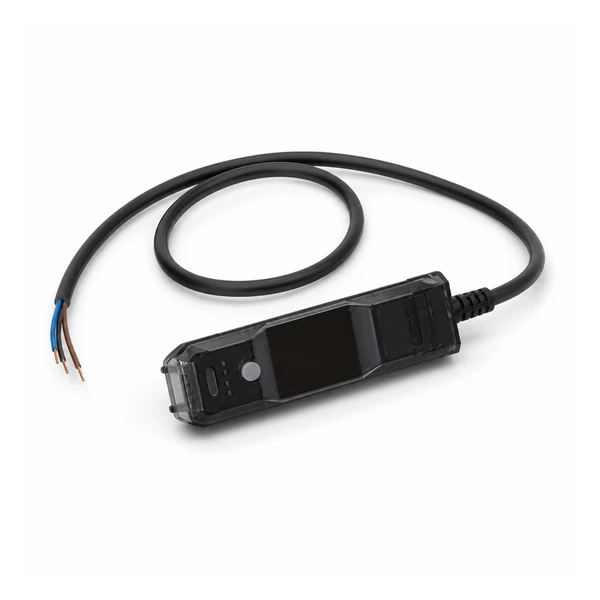
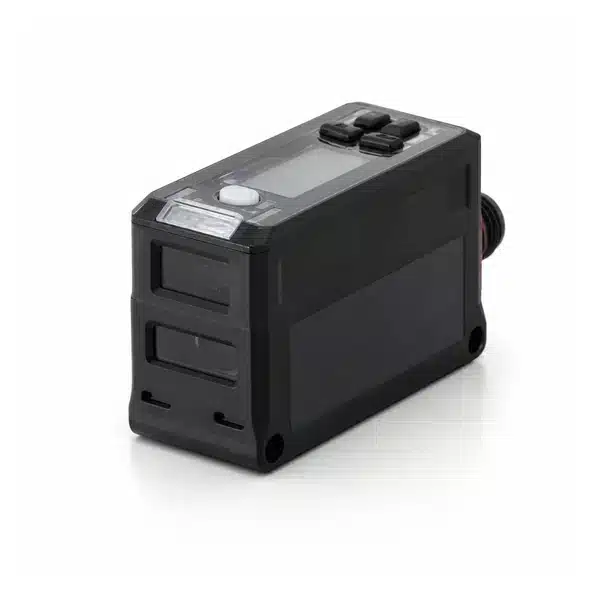
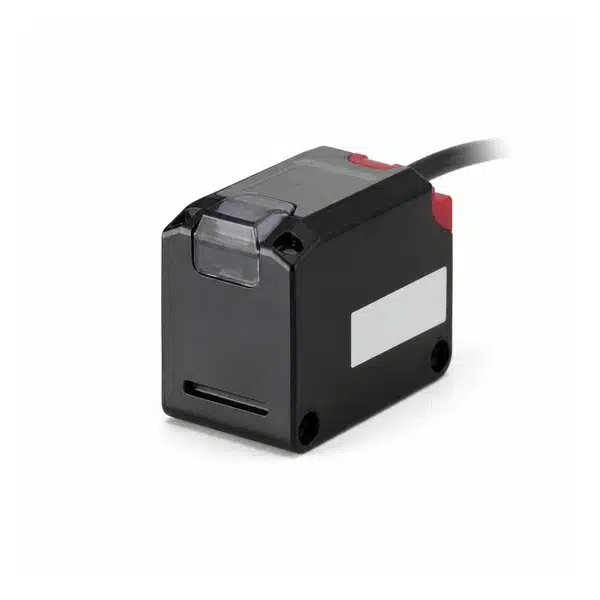
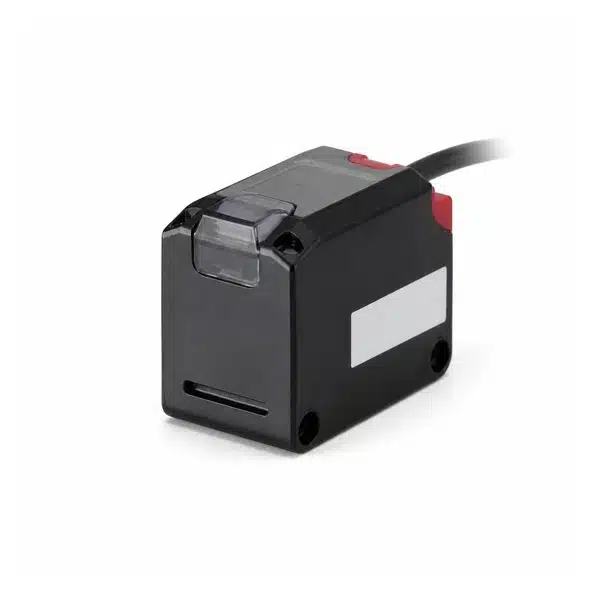
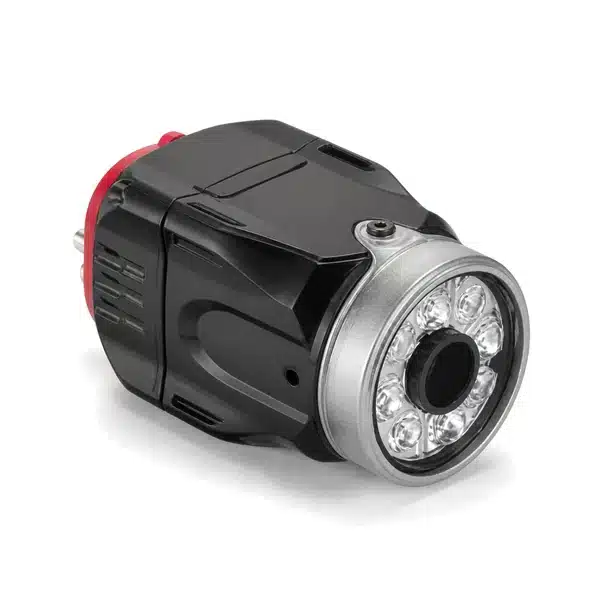
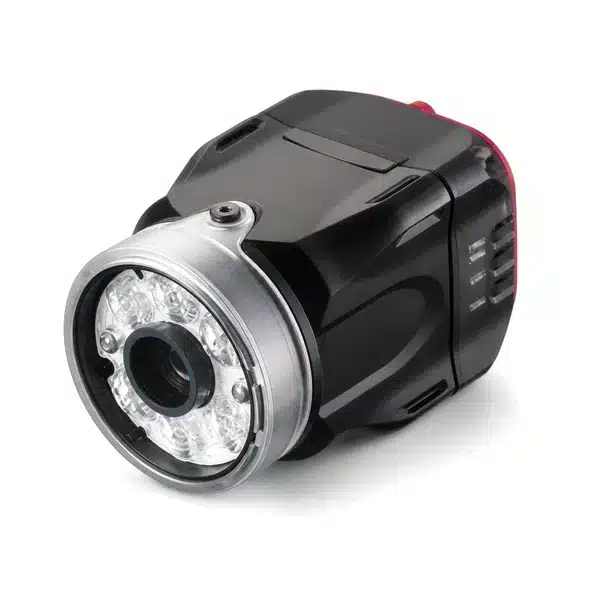
Enicstra stocks smart vision sensors — self-contained units that combine camera, lens, lighting, and processing in a single housing for presence verification, simple part inspection, OCR/OCV, and 1D/2D barcode reading. Vision sensors sit between basic photoelectrics and full machine-vision systems.
Brands carried include Keyence IV and IV2 series, Banner iVu and VE-series, Cognex In-Sight 2000/7000/8000, Omron FQ and FH-Lite, Sick Inspector and Lector, and Datalogic Matrix. Obsolete vision sensors — earlier iVu generations, end-of-life In-Sight 2000, retired FQ codes — are sourced through our supplier network. Each unit is bench-tested and ships with a 12-month functional warranty.
For an obsolete vision sensor, send the OEM part number for a quote within 1–2 business days.
Vision Sensors
$465.37/ea
In Stock
$3,844.85/ea
In Stock

$1,668.42/ea
In Stock

$1,650.21/ea
In Stock

$2,374.78/ea
In Stock

$2,556.50/ea
In Stock

$4,158.89/ea
In Stock

$2,672.02/ea
In Stock

$2,679.77/ea
In Stock
$1,800.76/ea
In Stock

$2,589.93/ea
In Stock
Can't Find The Part You Need?
Send us the part number, manufacturer, quantity, and condition — we'll locate it.
Can a vision sensor replace a full machine-vision system?
For simple tasks (presence, basic OCR, single-code read), yes. For multi-tool inspection, sub-pixel measurement, or high-speed metrology, a full system with separate camera, lighting, and PC is usually still required.
Do you stock obsolete iVu, In-Sight, and IV-series sensors?
Yes. Earlier Banner iVu Plus, Cognex In-Sight 1100/2000, and first-generation Keyence IV are routinely sourced. Send the OEM number for a quote.
Is the programming software included?
Most current vision sensors include free configuration software from the OEM. Older Cognex In-Sight Explorer and some legacy software builds require a license or specific PC; we will note any known requirements.
Will my saved job file load on a replacement unit?
If the model and firmware match, yes. Across firmware revisions, file conversion in the OEM software is usually needed and is straightforward.
Why is lighting so critical?
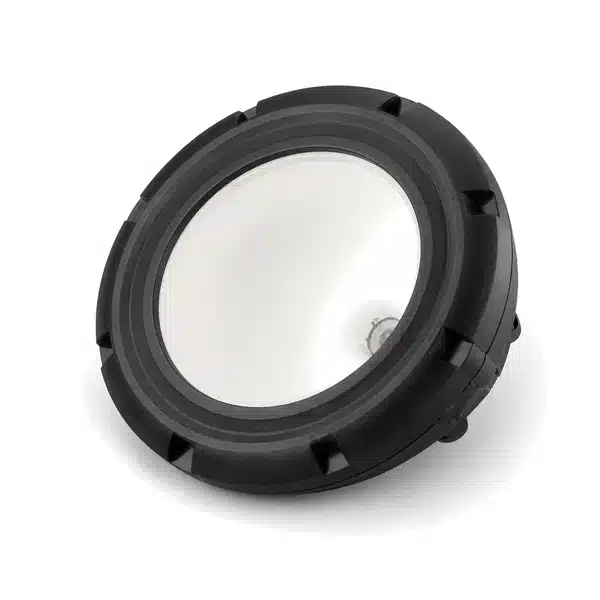
Image-based inspection is only as repeatable as the lighting. Changing ambient light changes the image; changing the image changes the result. Plan for controlled lighting from the start, not as a fix after deployment.
What is the warranty?
12 months functional, on new, surplus, and refurbished stock.