

I-O Systems
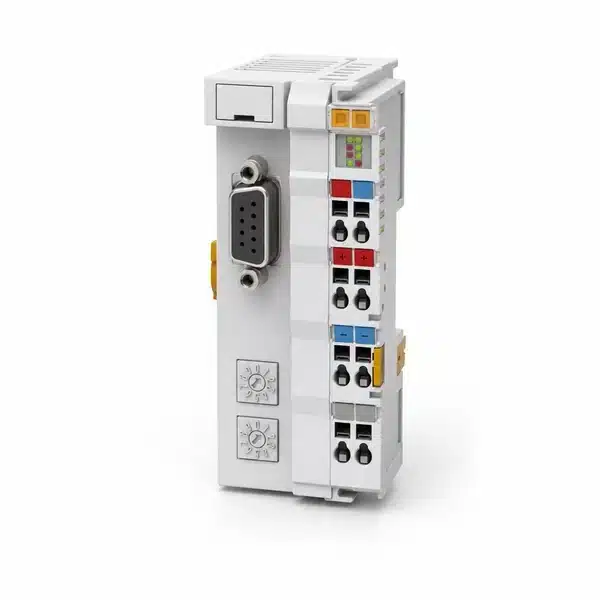
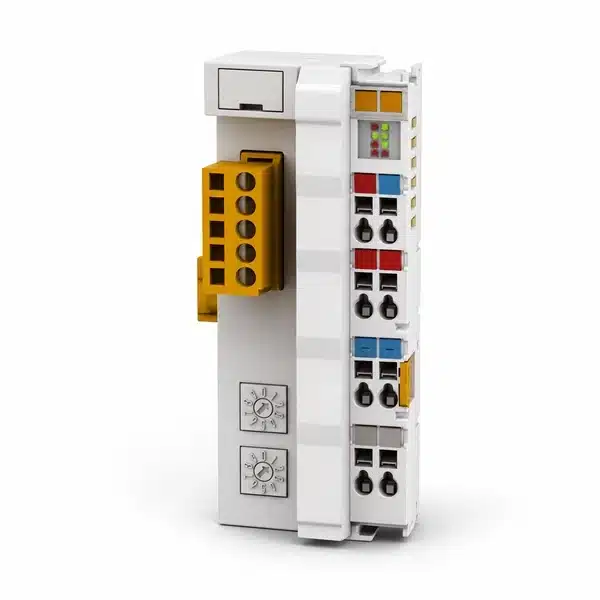
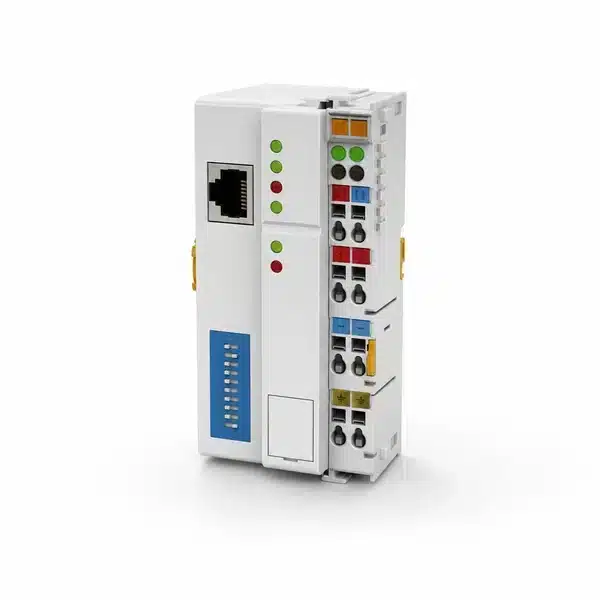
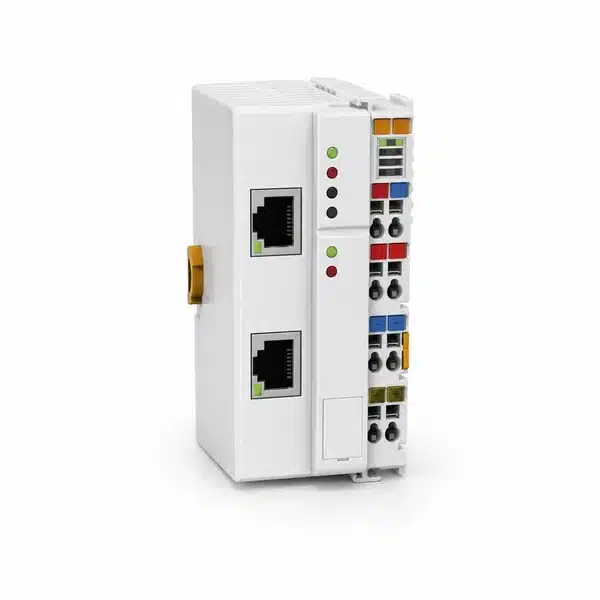
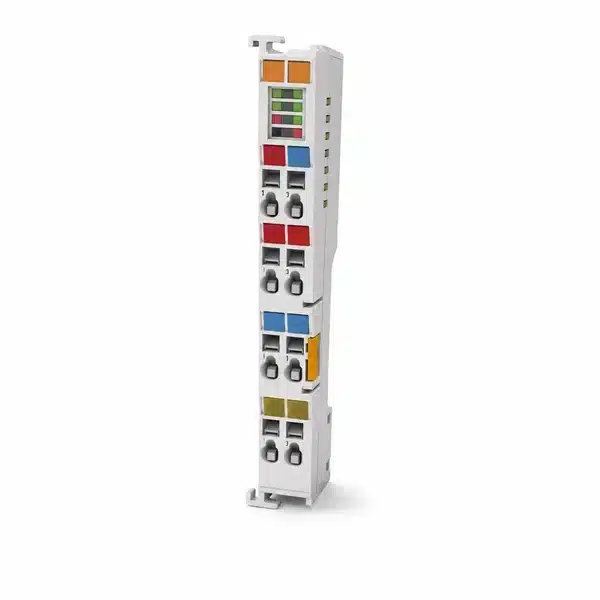
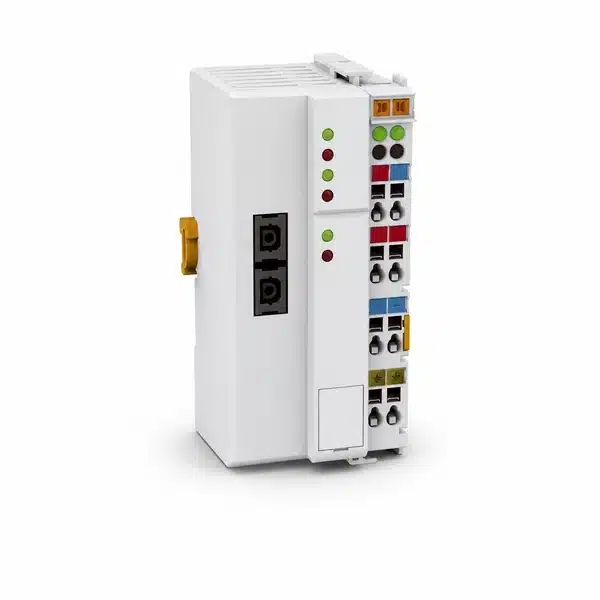
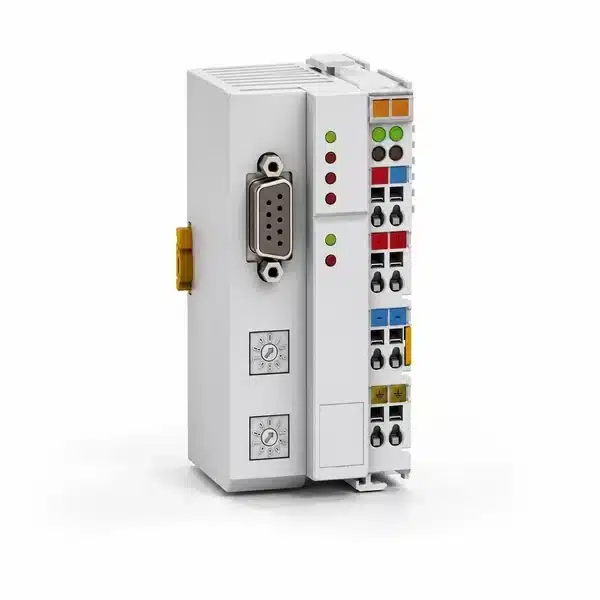
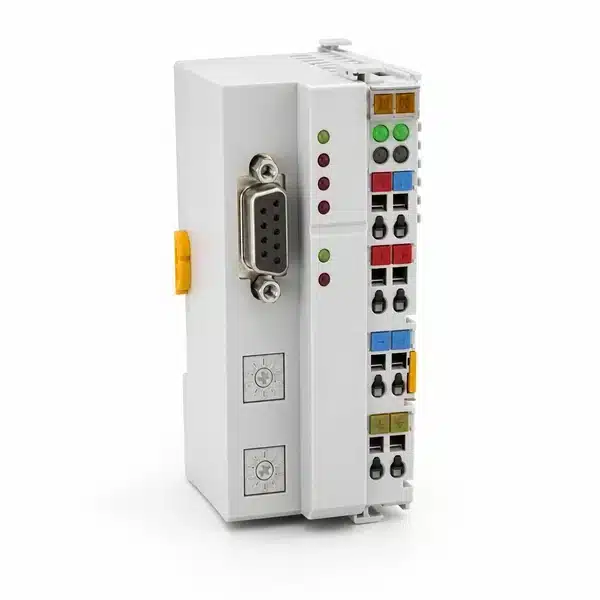
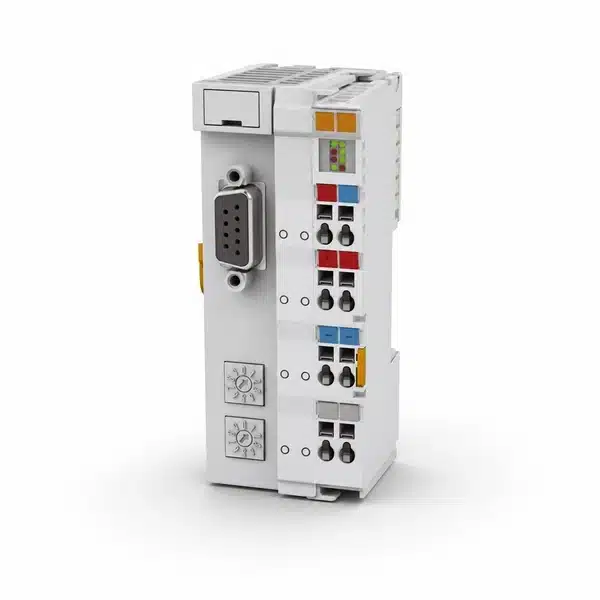
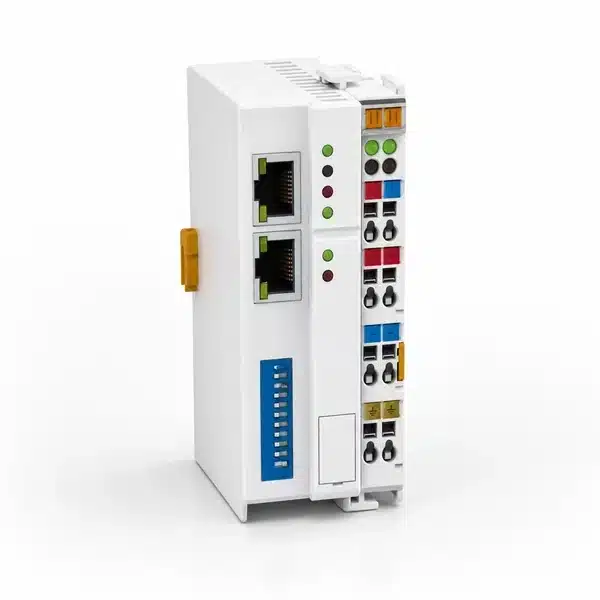
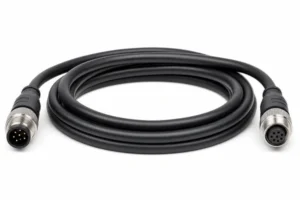
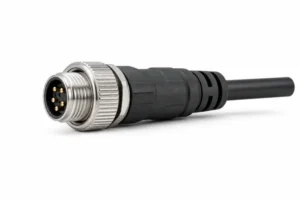
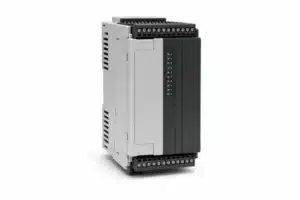
Enicstra stocks I/O systems used to distribute control field connections away from the central PLC cabinet and into the machine or process area. Inventory covers slice-style modular I/O (Beckhoff EL/KL, Wago 750, Phoenix Contact Inline/AXIO), block-style remote I/O (Allen-Bradley POINT I/O and FLEX I/O, Siemens ET 200), and machine-mount IP67 I/O blocks (Murr MVK, Turck BL-series, Phoenix Contact AXIOLINE F).
Brands carried include Allen-Bradley 1734 POINT I/O, 1794 FLEX I/O, 1769 Compact I/O, Siemens ET 200SP/ET 200S/ET 200M, Beckhoff EL-series EtherCAT and KL-series K-bus, Wago 750/753-series, Phoenix Contact AXIO and Inline, Turck BL20/BL67, Omron NX-series, and Murr Elektronik MVK and Cube67. Obsolete I/O system components are sourced through our supplier network. Each module is bench-tested for power-up where applicable and ships with a 12-month functional warranty.
For an obsolete I/O system component, send the OEM part number for a quote within 1–2 business days.
I-O Systems
$325.58/ea
In Stock


Can't Find The Part You Need?
Send us the part number, manufacturer, quantity, and condition — we'll locate it.
Do you stock obsolete I/O systems?
Yes. Discontinued Allen-Bradley 1734/1794, retired Beckhoff KL-series, end-of-life Siemens ET 200M, and earlier Wago 750-series are sourced through our supplier network.
Can I mix bus couplers and modules from different OEMs?
No. Each I/O system uses its own coupler + module interconnect; mixing brands does not work mechanically or electrically. Pick one OEM I/O family per drop.
Will a Profinet coupler work with EtherCAT modules?
No. Bus couplers are protocol-specific. EtherCAT modules need an EtherCAT coupler; Profinet modules need a Profinet coupler; etc. Some OEMs use the same module hardware across fieldbuses with different couplers — check the OEM's compatibility matrix.
Is hot-swap supported?
For many modern I/O modules, yes — the PLC sees the module disappear and reappear with the same configuration. Older modules require power-down for replacement. The OEM datasheet states explicitly.
What configuration is needed after replacing a module?
Most modern systems auto-detect the replacement and apply the saved configuration. Some require manual configuration update in the engineering tool. The PLC tag layout typically remains intact if the module type and position match.
What is the warranty?
12-month functional warranty. Damage from miswiring (over-voltage on inputs, short on outputs) or operation outside rated temperature is not covered.