

Barcode Readers
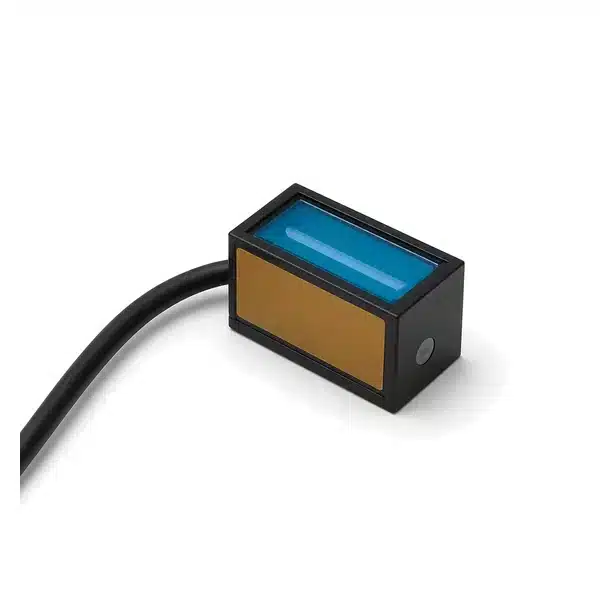
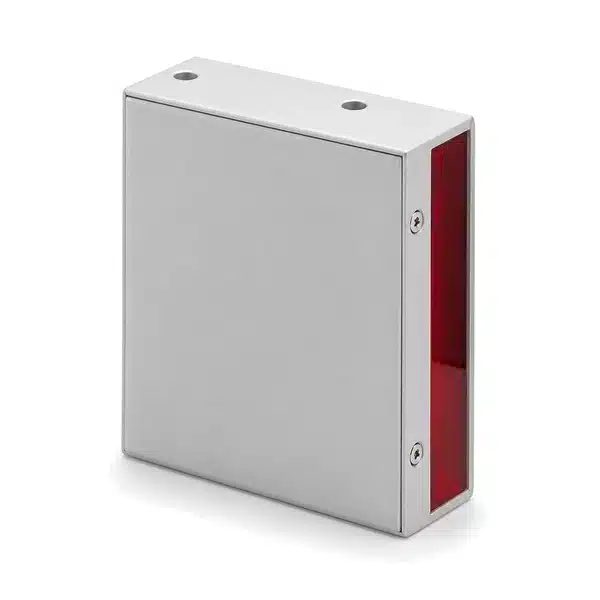
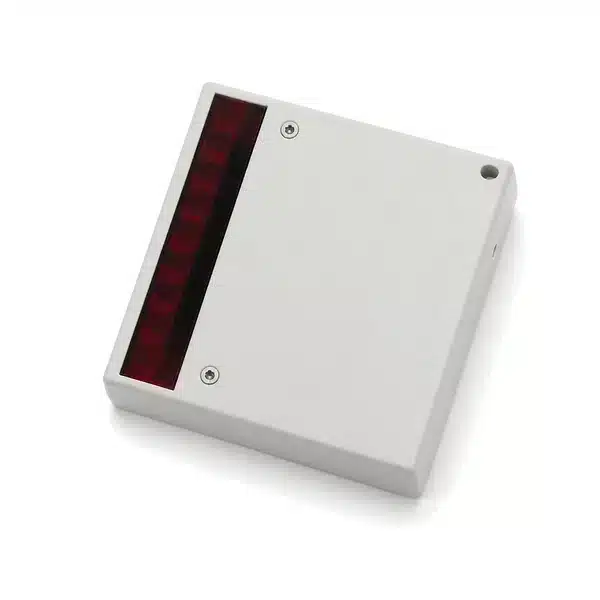
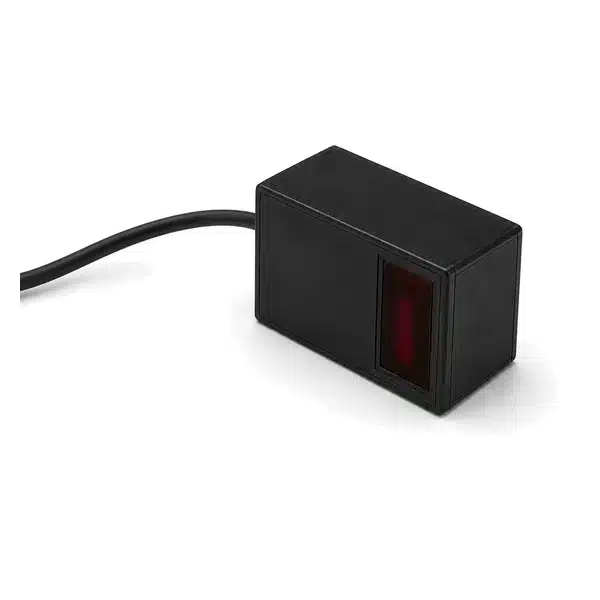
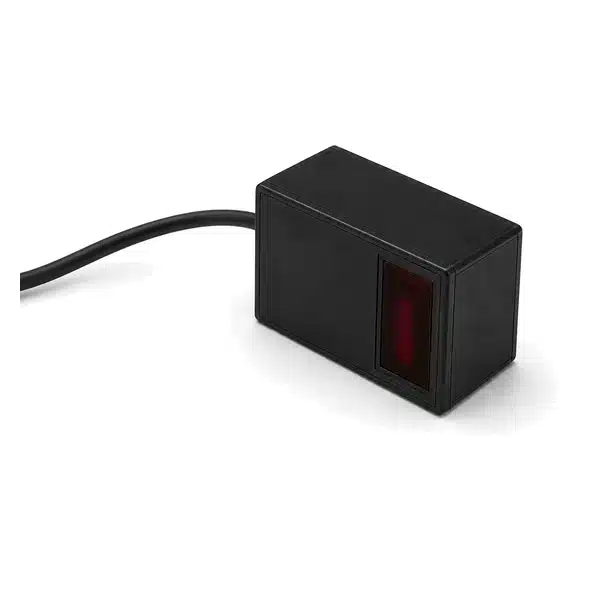
Enicstra stocks fixed-mount industrial barcode readers used for inline track-and-trace, label verification, and routing on packaging, automotive, electronics, and pharmaceutical lines. Inventory covers 1D laser scanners, image-based 1D/2D readers, and DPM (direct part mark) readers capable of reading laser-etched and dot-peen codes on metal.
Brands carried include Cognex DataMan 100/150/260/370/470/475, Keyence SR-X, SR-1000, and SR-2000 series, Sick Lector611/621/640 and CLV/ICR, Datalogic Matrix 120/220/300N/450, and Omron MicroHAWK. Obsolete readers — earlier DataMan generations, retired Lector reads, and end-of-life Matrix models — are sourced through our supplier network. Each unit is bench-tested and ships with a 12-month functional warranty.
For an obsolete fixed-mount barcode reader, send the OEM part number for a quote within 1–2 business days.
Barcode Readers
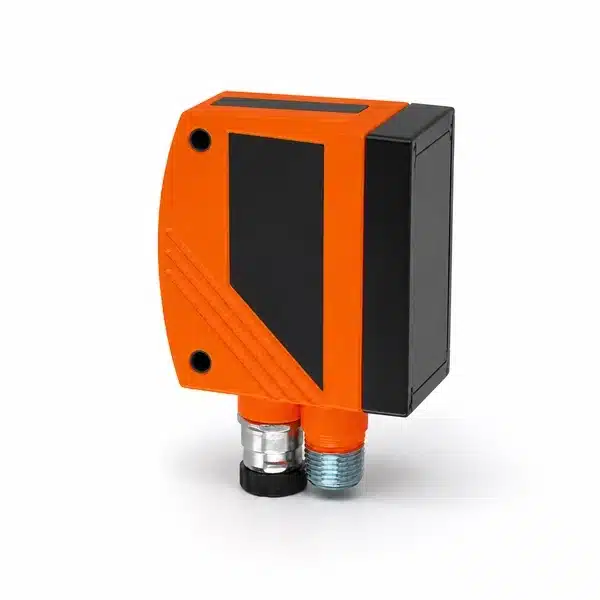
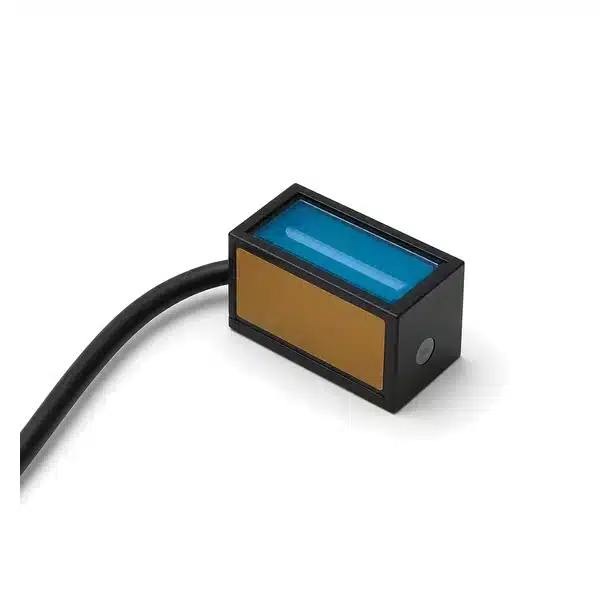
$835.44/ea
In Stock
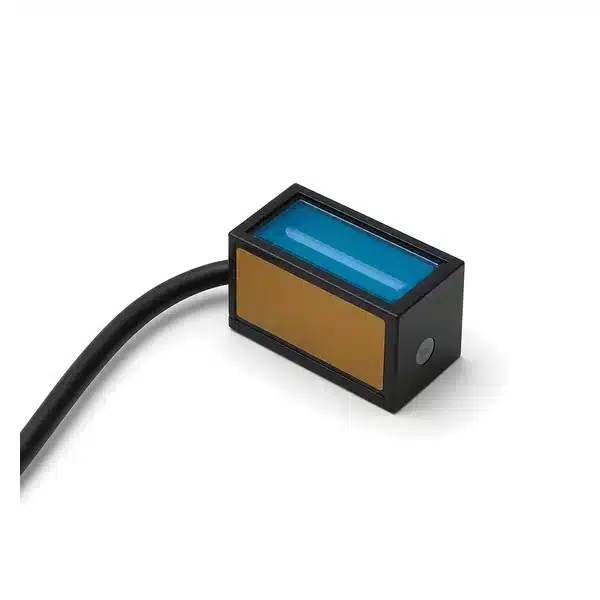
$536.35/ea
In Stock
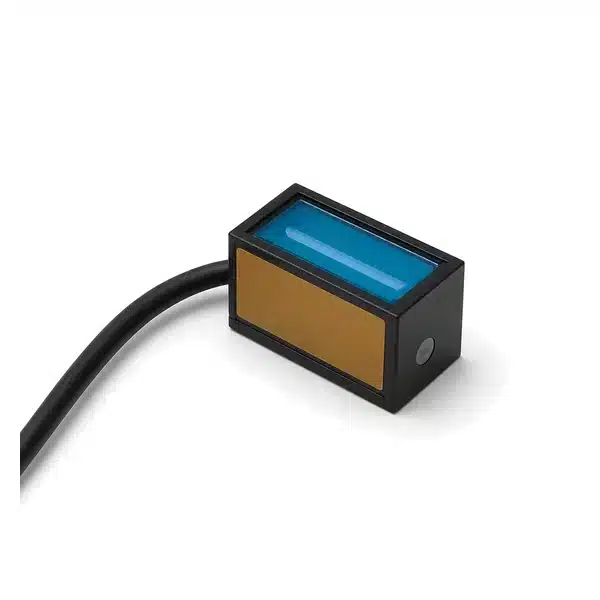
$1,218.82/ea
In Stock
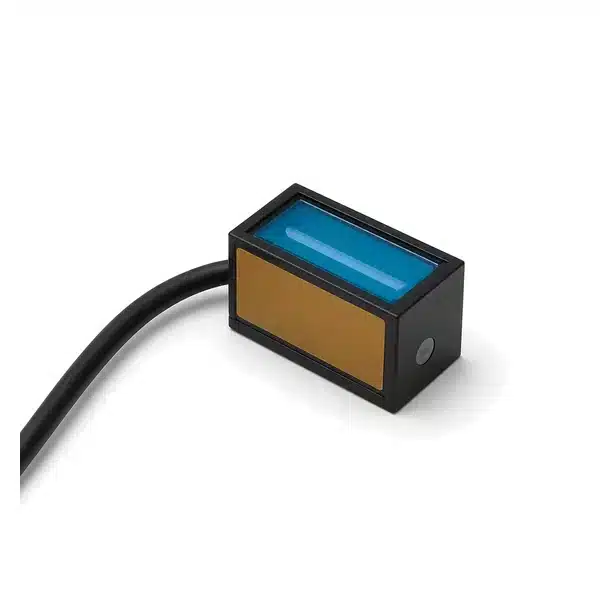
$1,573.71/ea
In Stock
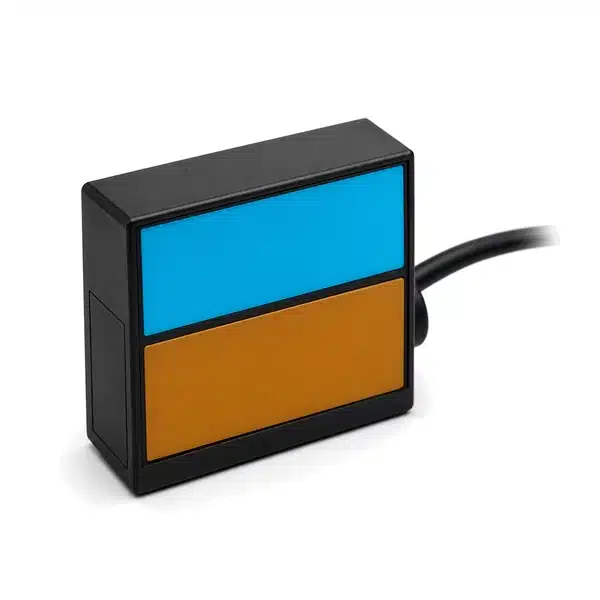
$814.89/ea
In Stock
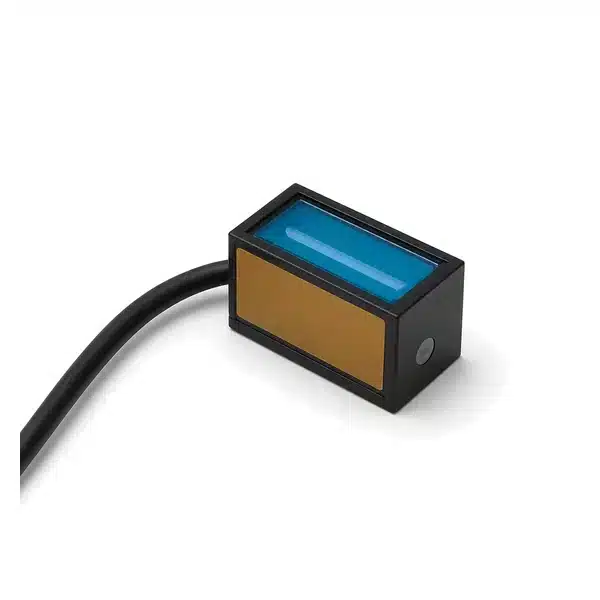
$305.68/ea
In Stock
$1,167.92/ea
In Stock
$819.58/ea
In Stock
$104.14/ea
In Stock
$818.56/ea
In Stock
$982.68/ea
In Stock
$952.85/ea
In Stock
Can't Find The Part You Need?
Send us the part number, manufacturer, quantity, and condition — we'll locate it.
Do you stock obsolete Cognex DataMan and Sick Lector readers?
Yes. Earlier DataMan 100/150/200, retired Lector611/620, and end-of-life Datalogic Matrix 210 are sourced regularly. Send the OEM number for a quote.
Can a 1D laser scanner read 2D codes?
No. Laser scanners read 1D linear codes only. Reading 2D Data Matrix or QR codes requires an image-based reader.
Will my saved configuration load on a replacement reader?
If the model and firmware match, yes. Across firmware versions, the configuration file usually needs conversion in the OEM software (DataMan Setup Tool, SOPAS, Aladdin). We state firmware on each unit before purchase.
Does the reader handle direct part marks on metal?
Only DPM-rated readers handle laser-etched and dot-peen codes reliably. General-purpose readers can attempt them with the right lighting, but performance is application-specific.
How fast is shipping?
In-stock units ship same or next business day from St. Louis. Free US over $50, free international over $350.
What is the warranty?
Every new reader includes a 12-month Enicstra functional warranty unless a different period is stated.