

Dynamic Brake Modules
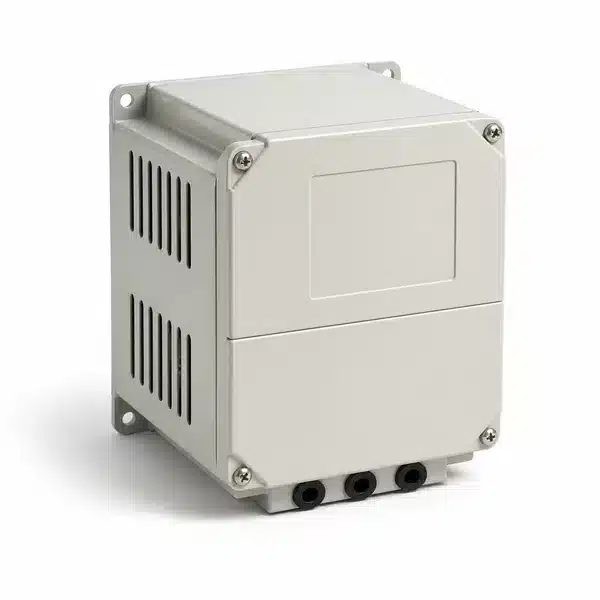
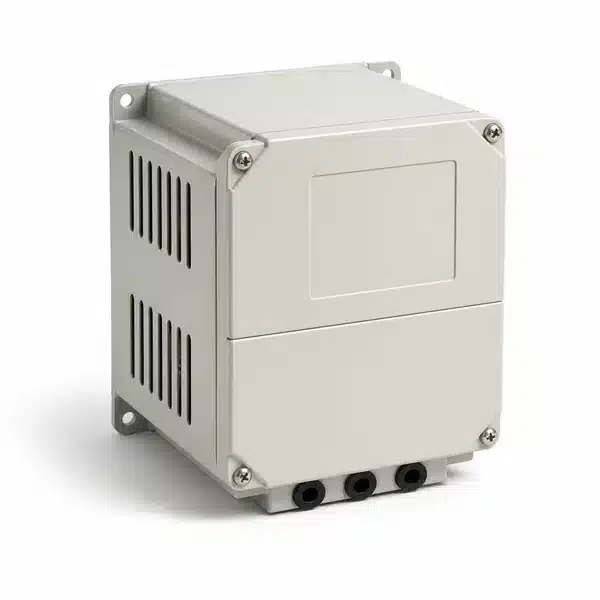
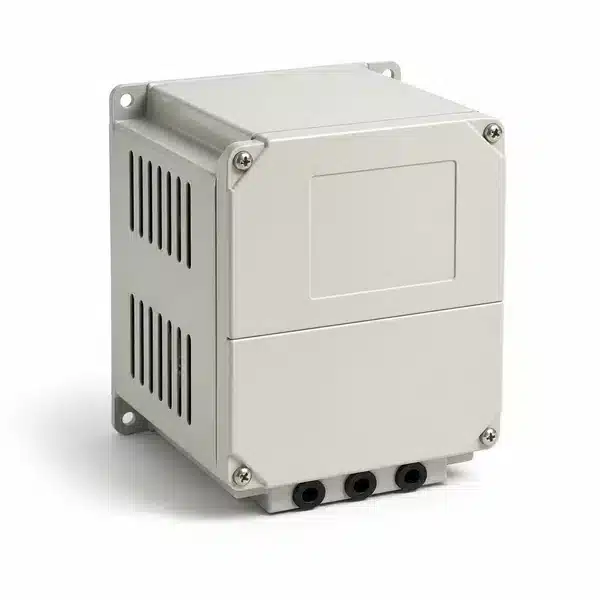
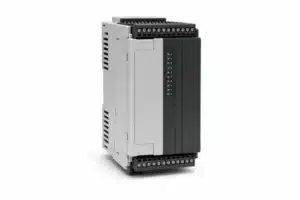
Enicstra stocks dynamic brake modules and brake resistors used to dissipate regenerative energy from VFD and servo drives during deceleration of inertial loads. When a motor decelerates faster than its natural coast, kinetic energy returns through the drive as bus voltage rise; the dynamic brake module switches a resistor across the DC bus to dissipate that energy as heat, preventing drive over-voltage faults and maintaining controlled deceleration.
Brands carried include Allen-Bradley 1336 and PowerFlex brake modules and DBR resistors, Yaskawa CDBR brake transistor modules and resistor banks, Mitsubishi FR-BU2 brake units, ABB NBRA and SACE brake choppers, Siemens 6SE7090 brake choppers and 6SL3000 resistor units, Lenze EVD brake units, and Bosch Rexroth HMV brake choppers. Obsolete dynamic brake modules — discontinued 1336 codes, retired CDBR early generations, end-of-life FR-BU first variants — are sourced through our supplier network. Each unit is bench-tested for chopper switching and ships with a 12-month functional warranty.
For an obsolete dynamic brake module or resistor, send the OEM part number for a quote within 1–2 business days.
Dynamic Brake Modules
Can't Find The Part You Need?
Send us the part number, manufacturer, quantity, and condition — we'll locate it.
Do you stock obsolete brake modules and resistors?
Yes. Discontinued Allen-Bradley 1336 brake codes, retired Yaskawa CDBR early generations, end-of-life Mitsubishi FR-BU, and earlier ABB NBRA are sourced through our supplier network.
Can I undersize the brake resistor and "see what happens"?
No. Under-rated resistors overheat and fail, sometimes catastrophically. The wattage and duty cycle must match the actual regenerative load. Size from the application's regen-energy calculation, not by guessing.
How do I calculate regen power?
Roughly: peak regen power = (motor power) × (decel ratio relative to motor base torque) × (efficiency). For a 10 kW motor decelerating at 2× rated torque for 5 seconds out of every 60-second cycle, peak power ~20 kW for 5 seconds, duty cycle ~8%. Use the OEM regen-sizing tool for precise sizing.
Do small drives need an external brake module?
Small frame drives (typically below 30 kW) have built-in brake transistors and need only an external resistor. Larger frames need a separate brake module plus a resistor. The drive datasheet specifies which.
Why does my resistor get so hot?
Brake resistors dissipate energy as heat — by design. Surface temperatures of 200+ °C at rated duty are normal. Provide the OEM-specified clearance from cables and combustibles, mount on non-combustible surfaces, and use the over-temperature feedback to alarm the drive.
What is the warranty?
12-month functional warranty. Damage from undersizing (resistor over-temperature failure), miswiring, or installation without the OEM-specified clearances is not covered.