

DIN Rail and Channel
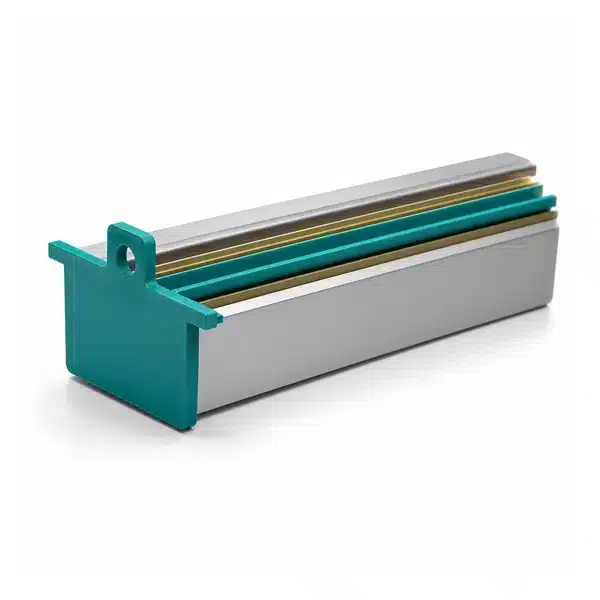
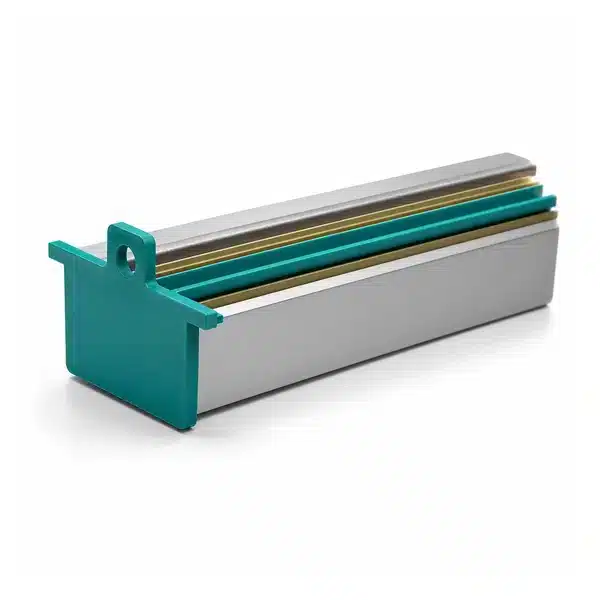
Enicstra stocks the mounting and routing infrastructure used inside industrial control cabinets: 35 mm and 15 mm DIN rail in steel and aluminum, slotted wire duct (Panduit, Schneider, Klemsan), enclosed cable raceway, end stops, end brackets, and panel-mount adapters. These are the structural backbone of every UL 508A panel build, and the consumable items that cabinet builders go through quickly.
Brands carried include Phoenix Contact NS rail and NS perforated, Wago, Allen-Bradley 199 rail, Panduit Panduct (NE, NNC, F-series), HellermannTyton, Schneider Telequick wiring duct, KSS Slotted Duct, and Iboco wire duct. Obsolete DIN rail and channel — discontinued cross-sections, retired aluminum rail variants, end-of-life slotted-duct profiles — are sourced through our supplier network. Items ship from St. Louis with a 12-month functional warranty.
For obsolete rail, channel, or panel hardware, send the OEM part number or full dimensions for a quote within 1–2 business days.
DIN Rail and Channel
Can't Find The Part You Need?
Send us the part number, manufacturer, quantity, and condition — we'll locate it.
Do you stock obsolete DIN rail and wire duct profiles?
Yes. Discontinued aluminum rail variants, retired Panduit NE codes, end-of-life Klemsan slotted duct, and earlier Iboco profiles are sourced through our supplier network where surplus exists.
What is the difference between TH35 and G-rail?
TH35 (top-hat 35 mm) is the modern global standard for almost all industrial components. G-rail is a legacy profile still found on older panels and required by some specific components. Match to existing rails — they are not interchangeable.
Perforated vs. solid DIN rail — which should I use?
Perforated is the modern default — easier to cut, accepts standoff screws for stand-up mounting of larger components, and lighter. Solid rail still meets the standard and is sometimes preferred for grounding bonding to the panel plate.
How do I size wire duct?
Sum the cross-sectional area of all wires expected in the duct, and size so that fill is 40–50% of the duct interior cross-section. Tighter fill makes adds difficult and stresses wires. NEC has formal fill limits for raceway use.
Can I cut rail and duct to length?
Yes — both are typically cut on a bench with a hacksaw or chop saw, and deburred. We supply standard bar lengths (1 m or 2 m); custom-cut lengths can be quoted on request but at additional cost.
What is the warranty?
12-month functional warranty on rail and duct hardware. Damage from over-tightening end stops or mechanical abuse is not covered.