

Handheld Scanners
Enicstra stocks industrial handheld barcode scanners for warehouse, manufacturing, and field-service environments. Inventory covers wired USB and serial scanners, cordless Bluetooth and proprietary-RF scanners, and rugged DPM-capable units that read laser-etched and dot-peen codes on metal.
Brands carried include Honeywell (Granit, Voyager, Xenon series), Zebra/Symbol (DS-series, LI-series, MT-series), Cognex DataMan 8000 and 8500 series, Datalogic PowerScan and Gryphon, and Keyence SR-G/SR-D handhelds. Discontinued handheld models — older Symbol LS-series, retired Honeywell 1300/1900 codes, end-of-life Datalogic Lynx — are sourced through our supplier network. Each unit is bench-tested and ships with a 12-month functional warranty.
For an obsolete handheld scanner, send the OEM part number for a quote within 1–2 business days.
Handheld Scanners

$186.06/ea
In Stock

$274.19/ea
In Stock

$319.51/ea
In Stock
$197.57/ea
In Stock
Can't Find The Part You Need?
Send us the part number, manufacturer, quantity, and condition — we'll locate it.
Do you stock obsolete Symbol and Honeywell handhelds?
Yes. Retired Symbol LS-series, Honeywell 1300/1900 codes, Datalogic Lynx, and end-of-life Cognex DataMan 8000 first generations are sourced regularly.
Wired or cordless — which lasts longer in heavy use?
Wired scanners have no battery to wear out and one fewer failure mode. Cordless gives mobility but the battery is the first thing to degrade — typically 1–2 years of heavy daily use before noticeable runtime drop.
Will the scanner work with my WMS or ERP system?
If the system accepts keyboard-emulation input, almost any scanner in USB-HID mode works without drivers. For dedicated COM-port input or special formatting, USB-COM or RS-232 mode plus a serial driver is the standard approach.
Can a standard handheld read direct part marks?
Only DPM-rated models read laser-etched or dot-peen codes reliably. Standard image-based handhelds can sometimes attempt DPM but with lower read rates.
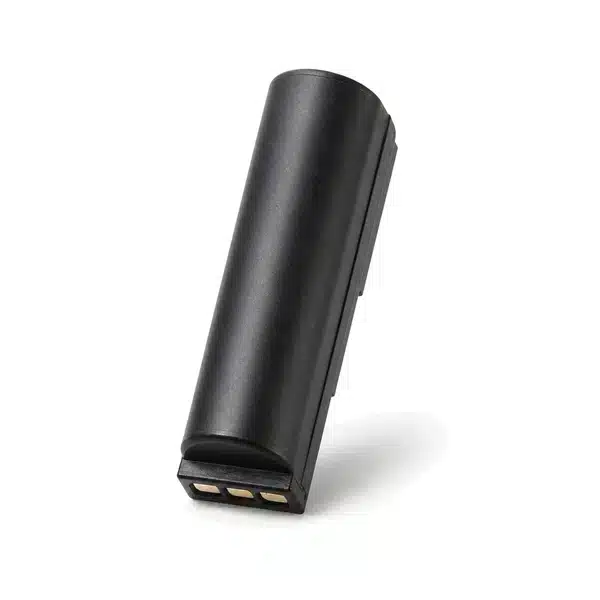
Are replacement batteries available for cordless models?
Yes, for most current and recent generations. For older retired models, batteries are sometimes scarce — we will tell you availability before you commit to a cordless scanner that depends on it.
What is the warranty?
12 months functional. Physical damage from drops beyond the rated specification, water ingress beyond the IP rating, or battery exhaustion from age is not covered.