

Task Lighting
Enicstra stocks task lighting for industrial workstations: bench lights with magnetic or clamp bases, articulating-arm LED task lights, integrated machine-tool lights for milling and lathe work zones, inspection-station illumination with adjustable color temperature, and ergonomic assembly-table lights with glare reduction. Task lighting differs from general industrial lighting in that it concentrates illumination on a small work zone where operators perform detailed tasks.
Brands carried include Waldmann (Tameto, Yara, LUNIS task lights), Glamox (industrial inspection), Sloan task lighting, Banner WLA-series articulating, Sunnex Medical / Industrial, ELWiS, and Dazor classic magnifier lights. Obsolete task lighting — discontinued Waldmann LUNIS first generations, retired Dazor incandescent magnifiers, end-of-life Glamox codes — are sourced through our supplier network. Each light is bench-tested for LED/lamp function and ships with a 12-month functional warranty.
For obsolete task lighting, send the OEM part number for a quote within 1–2 business days.
Task Lighting
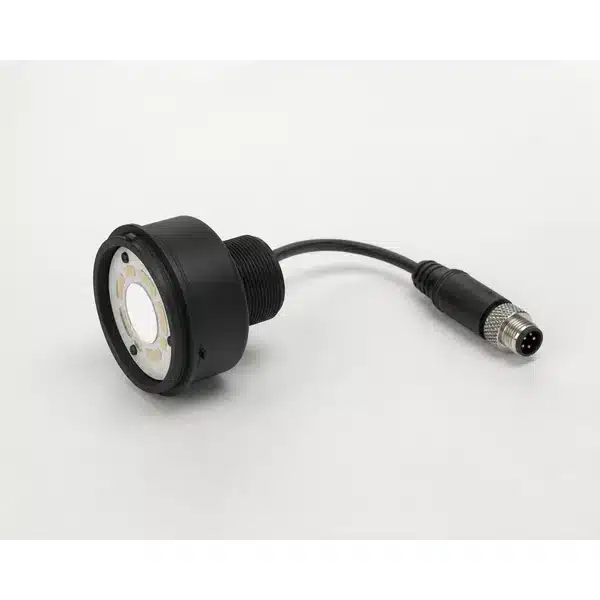


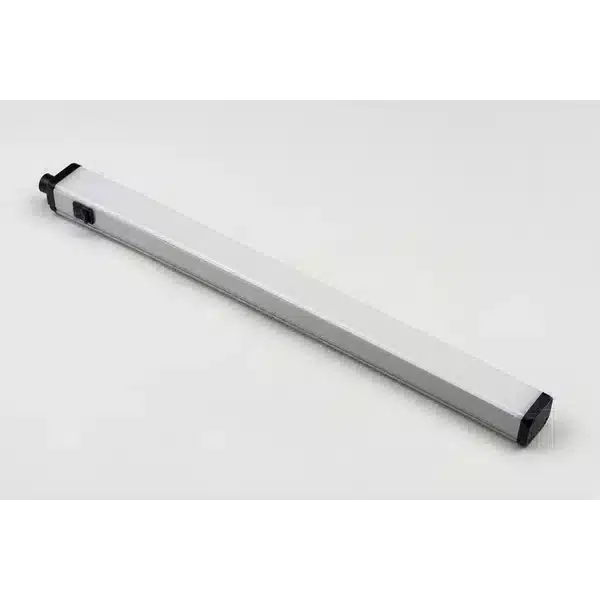


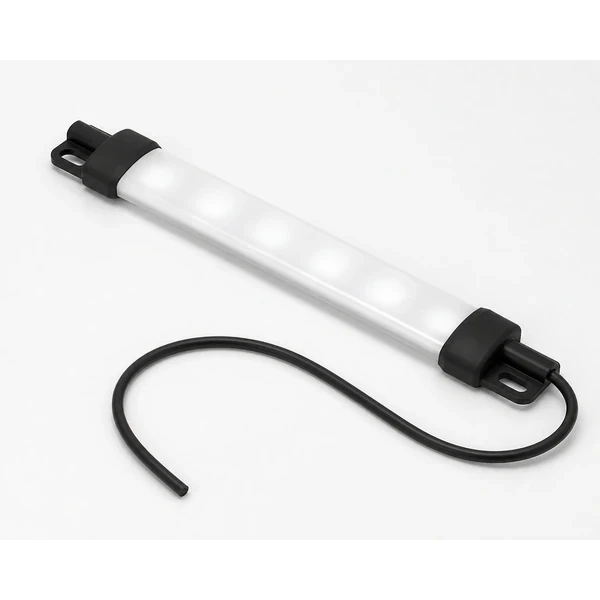
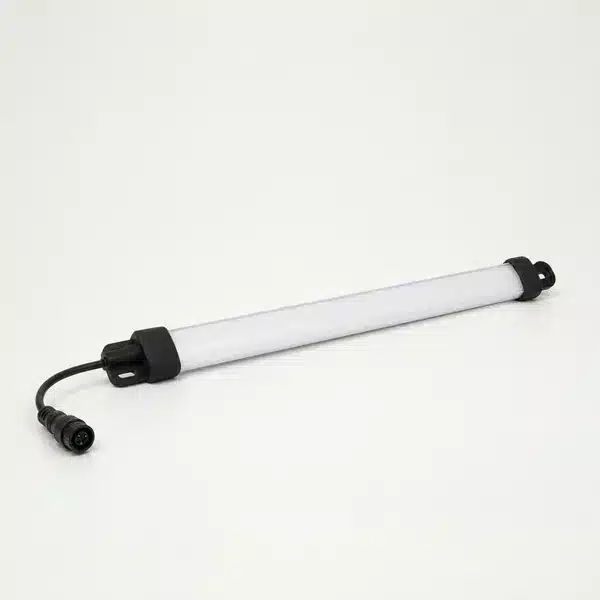

$196.35/ea
In Stock
Can't Find The Part You Need?
Send us the part number, manufacturer, quantity, and condition — we'll locate it.
Do you stock obsolete task lighting?
Yes. Discontinued Waldmann LUNIS first generations, retired Dazor incandescent magnifier lights, end-of-life Glamox codes, and earlier Banner WLA articulating lights are sourced through our supplier network.
What color temperature is best for inspection?
5000–6500 K daylight LED for best color discrimination and perceived sharpness. CRI 90+ is preferred for color-critical inspection. Lower color temperatures (3000–4000 K) are more comfortable for long-duration general work but reveal less detail.
Do I need a magnifier light?
For fine electronics work, soldering, jewelry, watch repair, and similar detail tasks — yes. For general assembly and inspection, plain LED task lighting is sufficient. Magnifier diopter (1.75×/3×/5×) determines how much detail is visible.
Will an LED task light run hot?
Quality LED task lights run significantly cooler than incandescent or halogen they replaced. Some still get warm to touch in concentrated beam-spot designs; that's normal. Look for thermal management specs if the light is enclosed in a fixture.
Can I dim the task light?
Most modern LED task lights include dimming (touch, push-button, or rotary). Useful for matching ambient lighting and reducing eye strain. Specify a dimmable model when ordering if needed.
What is the warranty?
12-month functional warranty on the fixture. LED brightness decline over time is normal (L70 = 70% output at end of rated life). Damage from over-voltage or impact is not covered.