

Sensor Interface and Junction Modules
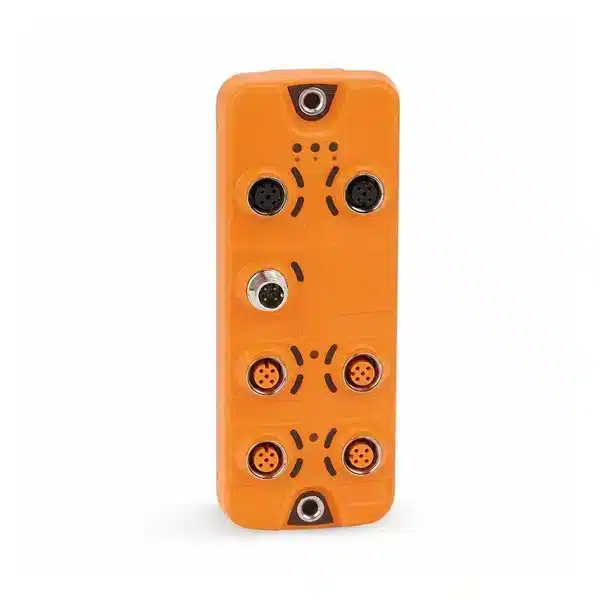
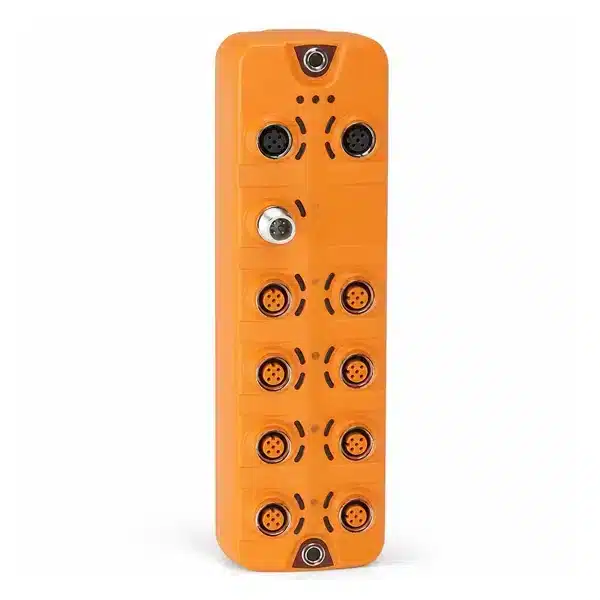
Enicstra stocks sensor interface and junction modules used to consolidate multiple field-mounted sensors into a single trunk cable back to the PLC cabinet, reducing wiring and cable conduit on machine builds. Inventory covers M8/M12 distribution blocks (passive multi-sensor junctions), active interface modules (M12 to terminal-block junctions), IO-Link master modules, and machine-mount junction enclosures with terminal blocks.
Brands carried include Murr Elektronik MASI/MVK/MICO interface modules, Phoenix Contact SLD M12 distribution, Lumberg ASBSV/RKMV passive blocks, Turck BL-series interface, Banner DXM and MultiCab, Pepperl+Fuchs M12 distribution, Allen-Bradley 1485 and 871 junction, and Siemens PROFINET-coupled distribution blocks. Obsolete sensor interface modules — discontinued Murr MASI early generations, retired Lumberg passive blocks, end-of-life SLD codes — are sourced through our supplier network. Each module is bench-tested for power-up where applicable and ships with a 12-month functional warranty.
For an obsolete sensor interface module, send the OEM part number for a quote within 1–2 business days.
Sensor Interface and Junction Modules
Can't Find The Part You Need?
Send us the part number, manufacturer, quantity, and condition — we'll locate it.
Do you stock obsolete junction blocks and interface modules?
Yes. Discontinued Murr MASI early generations, retired Lumberg passive blocks, end-of-life Phoenix Contact SLD codes, and earlier Turck BL interface modules are sourced through our supplier network.
Passive vs. active — when does each make sense?
Passive when you only need cable consolidation (still hardwiring to PLC inputs). Active when you need diagnostics, fieldbus communication, parameterizable sensors, or fault-tolerant power distribution. Active costs more but pays back in commissioning and troubleshooting time.
What is IO-Link and do I need it?
IO-Link is a point-to-point digital protocol between an IO-Link master and IO-Link sensors. It carries process data plus parameter and diagnostic data on the same wire. Useful for centralized parameter management and for sensors with rich diagnostic data. Standard PNP sensors do not become IO-Link by adding a master.
Are per-port fuses worth it?
Yes for installations where one sensor short would otherwise blank an entire drop. Per-port electronic fusing (most active interface modules) isolates the faulted port while keeping the rest of the drop running.
Can I mix sensor brands on one distribution block?
Yes for passive blocks — any sensor with the matching connector style works. For IO-Link masters, IO-Link sensors from any brand work as long as they implement the IO-Link spec compliantly.
What is the warranty?
12-month functional warranty on the module. Damage from over-current, short-circuit beyond the module's protection, or environmental exposure beyond IP rating is not covered.