

Float and Level Sensors
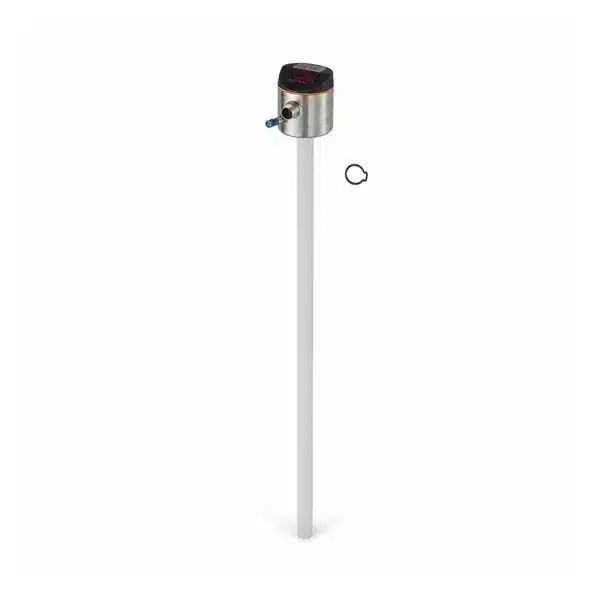
Enicstra stocks float-style level switches — mechanical level sensors that use a buoyant float to actuate a reed switch or trigger an electrical contact at a defined liquid level. Float switches are simple, reliable, immune to foam and steam, and work without electronics in the wetted parts — making them the dominant choice for simple high/low alarms, pump control, and dry-run protection on water, oil, and chemical tanks.
Brands carried include Gems Sensors LS-series, Madison float switches, Tank-Tech, SJE-Rhombus, IFM float switches, Magnetrol Tuffy and Echotel float-style, Endress+Hauser Liquiphant, and Anderson-Negele. Obsolete float switches — discontinued Gems LS-codes, retired Magnetrol Tuffy first generations, end-of-life Madison series — are sourced through our supplier network. Each switch is bench-tested for actuation and contact integrity and ships with a 12-month functional warranty.
For an obsolete float switch, send the OEM part number for a quote within 1–2 business days.
Float and Level Sensors


Can't Find The Part You Need?
Send us the part number, manufacturer, quantity, and condition — we'll locate it.

Do you stock obsolete float switches?
Yes. Discontinued Gems Sensors LS-codes, retired Madison float switch variants, end-of-life Magnetrol Tuffy first generations, and earlier IFM series are sourced through our supplier network.
Will a water-rated float work in oil?
Generally no — oils are less dense than water and standard "water" floats sink rather than float. Oils require lower-specific-gravity floats. Verify the rated specific gravity on the float against your liquid's density.
Vertical vs. horizontal float — which is better?
Vertical (stem-mount) gives a specific actuation depth and supports multi-stage levels on one stem. Horizontal (side-mount) is easier to install in existing tanks without top access. Pick by tank geometry and access.
Can the float switch handle 480 V loads directly?
Most float-switch reed contacts are rated for low current (100 mA – 1 A) at low voltage. Use an interface relay for switching higher loads. Connecting a float switch directly to a contactor coil with high inrush is a common cause of contact welding.
What's the maximum operating temperature?
Plastic floats: typically 70–80 °C. Stainless floats with stainless stems: 200 °C+. Verify on the OEM datasheet — exceeding temperature damages the float and may cause cable insulation breakdown.
What is the warranty?
12-month functional warranty. Damage from incompatible media (chemical attack), over-temperature, or contact wear from high-cycle inductive switching is not covered.