

Position Monitoring Devices
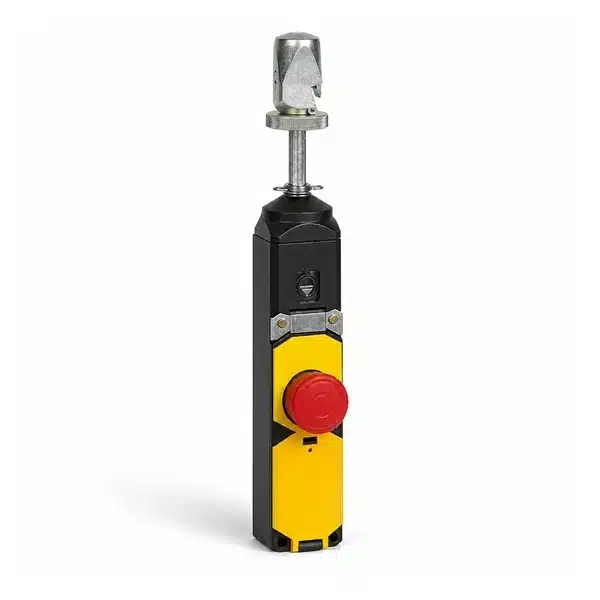
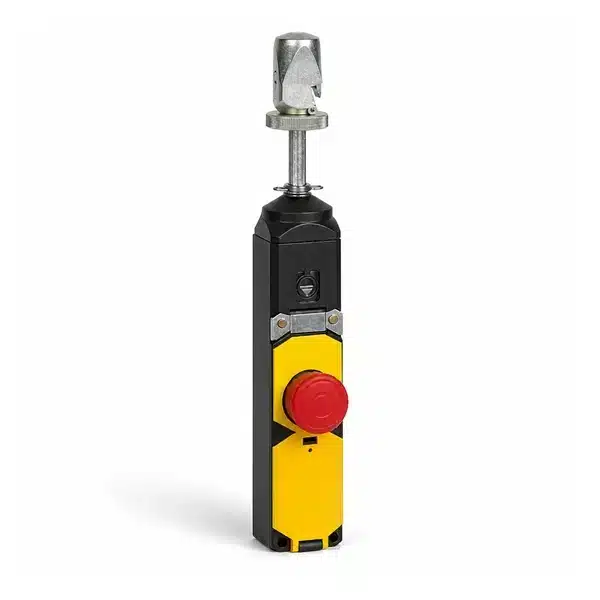
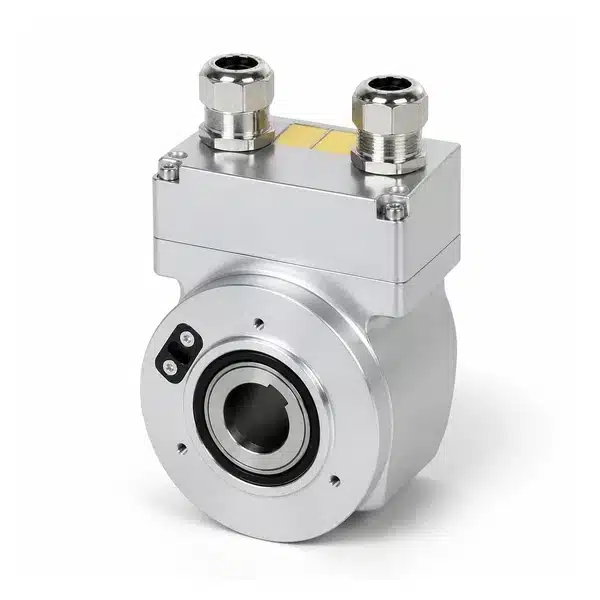
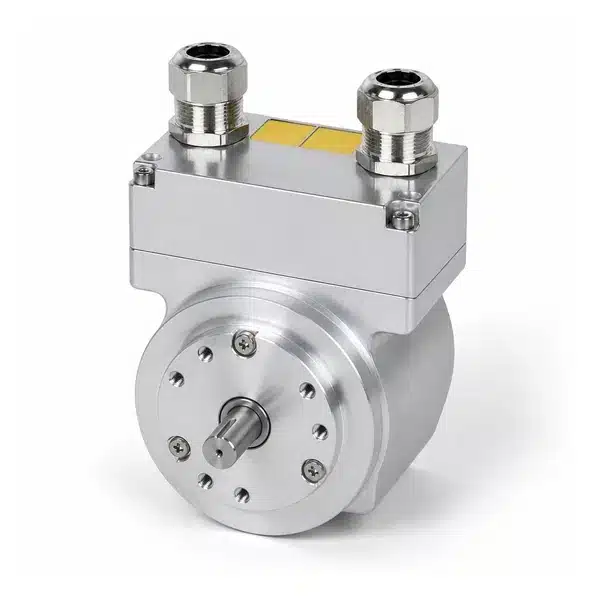
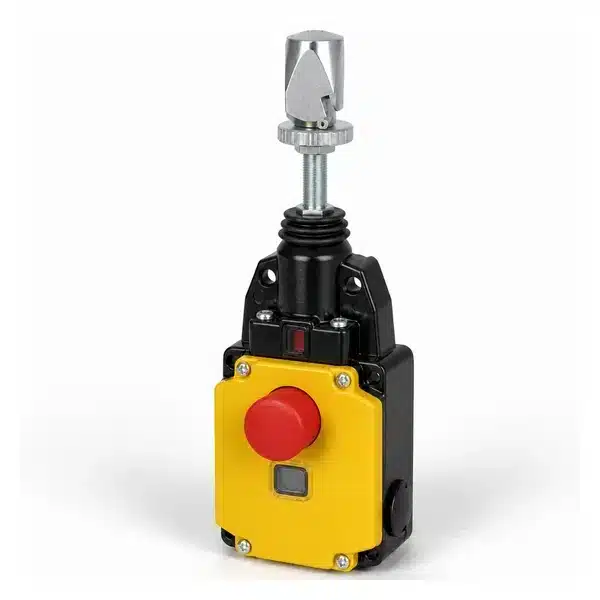
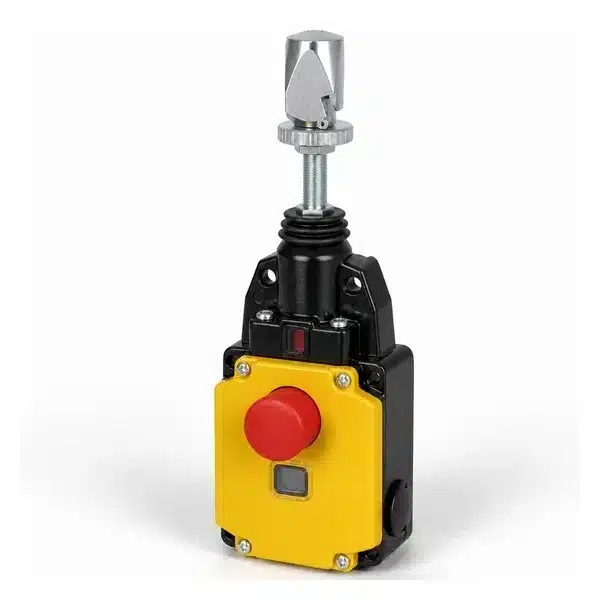
Enicstra stocks position monitoring devices used to confirm and report the discrete state of mechanical elements: limit switches that detect end-of-travel, valve position monitors that confirm valve open/closed status to the control system, magnetic switch packs that detect pneumatic cylinder end positions, and door/cover position confirmation devices.
Brands carried include Allen-Bradley 802T/802R limit switches, Honeywell MICRO SWITCH, Schmersal Z, Telemecanique XCK/XCR, Pepperl+Fuchs and Festo cylinder switches (T/C-slot), Topworx and StoneL valve position monitors, ASCO ValPlus, Sick MZ-series, and Banner T-slot switches. Obsolete position monitoring devices — discontinued limit switch codes, retired Topworx variants, end-of-life Festo MFH — are sourced through our supplier network. Each device is bench-tested for switching action and ships with a 12-month functional warranty.
For an obsolete position monitoring device, send the OEM part number for a quote within 1–2 business days.
Position Monitoring Devices


Can't Find The Part You Need?
Send us the part number, manufacturer, quantity, and condition — we'll locate it.
Do you stock obsolete limit switches and valve position monitors?
Yes. Discontinued Allen-Bradley 802 codes, retired Honeywell MICRO SWITCH, end-of-life Topworx D-series first generations, and earlier ASCO ValPlus are sourced through our supplier network.
T-slot vs. C-slot pneumatic cylinder switches — what's the difference?
The cylinder body extrusion shape. T-slot has a T-shaped channel, C-slot has a C-shaped channel. The switch body is shaped to fit one and not the other. Verify which slot your cylinder has before ordering.
Reed switch vs. solid-state — does it matter?
Reed switches use mechanical contacts and have finite life on inductive loads (a few million operations typically). Solid-state Hall-effect switches have no contacts and effectively unlimited life. Use solid-state in high-cycle applications.
Will an old-style valve position monitor work with my new PLC?
Hardwired NO/NC contact-style monitors work with any PLC discrete input. AS-i or fieldbus monitors need the corresponding network on the PLC side. We will state the interface type on each listing.
Are hazardous-area ratings preserved on surplus units?
Yes — the OEM certification (ATEX, IECEx, Class I Div 1/2) is the property of the unit when manufactured. Surplus units retain that certification. We do not modify devices.
What is the warranty?
12-month functional warranty. Contact wear from extended high-cycle inductive switching, mechanical lever damage, or operation outside rated environment is not covered.