
Static Eliminators
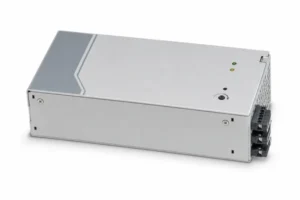
Enicstra stocks industrial static eliminators used to neutralize static charge on plastic film, sheets, parts, and powders during processing. Static buildup causes dust attraction, sheet jams, electronic component damage, and personnel shocks in plastics, printing, packaging, and electronics manufacturing. Inventory covers AC ionizing bars (longest range, for film and sheet handling), DC ionizing bars (precision balancing for clean rooms and electronics), ionizing nozzles (for spot cleaning), and the high-voltage power supplies that drive them.
Brands carried include Simco-Ion, Meech, Haug, EXAIR ionizing equipment, Fraser, Eltex, Keyence SJ-series, Banner ionizers, and Eltex-Elektrostatik. Obsolete static eliminators — discontinued Simco IonBar early codes, retired Haug VS-series, end-of-life Meech Hyperion — are sourced through our supplier network. Each unit is bench-tested for ionization output and ships with a 12-month functional warranty.
For an obsolete static eliminator, send the OEM part number for a quote within 1–2 business days.
Static Eliminators



$176.80/ea
Available

Can't Find The Part You Need?
Send us the part number, manufacturer, quantity, and condition — we'll locate it.
Do you stock obsolete static eliminators?
Yes. Discontinued Simco IonBar early codes, retired Haug VS-series, end-of-life Meech Hyperion, and earlier EXAIR ionizing bars are sourced through our supplier network.
AC vs. DC ionizing bar — which do I need?
AC for general industrial applications with broad coverage at moderate distances. DC pulse for clean rooms, electronics assembly, and applications requiring tight ion-balance control. AC is simpler; DC offers more control at higher cost.
How close does the bar need to be?
Most ionizing bars operate best at 25–100 mm from the target. Closer than 25 mm may not give the ions time to spread; farther than 100 mm reduces ionization density. Blower-fed ionizers extend the effective range to a meter or more.
How often do ion pins need cleaning?
Depends on the environment. Clean rooms: monthly to quarterly. General industrial: weekly to monthly. Heavy dust: weekly or more often. Cleaning with the OEM-recommended brush and solvent restores performance.
Is the power supply included with the bar?
Sometimes — depends on the model. Some bars are sold with matched power supplies; others sell separately because one supply drives multiple bars. We will state the configuration on each listing.
What is the warranty?
12-month functional warranty. Damage from pin contamination beyond normal service intervals, high-voltage cable damage, or operation outside rated environment is not covered.
