

Sensors
Enicstra stocks industrial sensors used to detect presence, position, distance, level, pressure, temperature, and flow in factory automation, process control, and machine-safety applications. The catalog covers photoelectric, inductive and capacitive proximity, ultrasonic, laser distance, fiber-optic, vision, pressure, and temperature families across major industry-standard form factors.
Alongside current-generation parts, we actively source obsolete and end-of-line sensors — older Banner barrels, discontinued SICK/Sensopart references, and legacy Autonics, Omron, and Keyence units that are no longer in active production. Every sensor is bench-tested before shipping and carries a 12-month functional warranty.
If you need a specific sensor that is not currently listed, send the part number or nameplate photo and we will quote — most replies inside 1–2 business days.
Subcategories
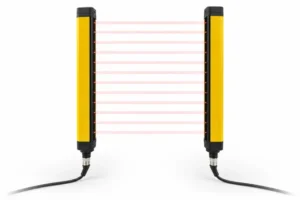
Area Sensors
2 products
Measurement-grade light grids — multi-beam arrays for object profiling, height, and zone detection.
Capacitive Sensors
88 products
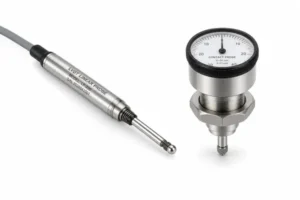
Contact Displacement Sensors (Probes)
71 products
Contact-style displacement probes — LVDT and digital touch probes for precision dimensional measurement.
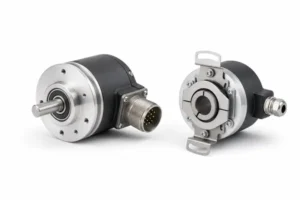
Encoders
247 products
Rotary and linear encoders — incremental and absolute, optical and magnetic, for position feedback.
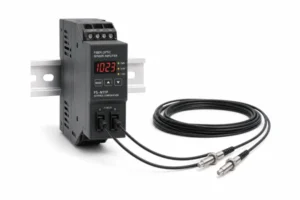
Fiber Optic Sensors
432 products
Fiber optic sensors with through-beam and diffuse heads for tight-space, high-temperature detection.
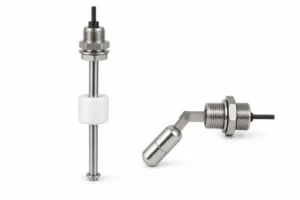
Float and Level Sensors
69 products
Float-style level switches — vertical and horizontal floats, reed-switch and magnetic-actuated, for any liquid.
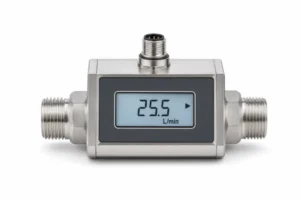
Flow Sensors
477 products
Flow sensors and meters for liquid, gas, and compressed air — current and obsolete models stocked.
Gear Tooth Sensors
3 products
Humidity and Moisture Sensors
10 products
Inclinometers
7 products
Inductive Distance Sensors
76 products
Inductive Proximity Sensors
776 products
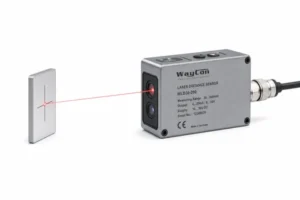
Laser Displacement Sensors
279 products
Laser triangulation displacement sensors for precision distance, thickness, and surface measurement.
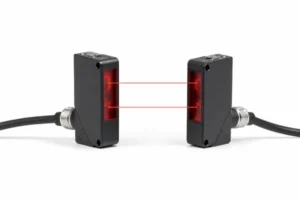
Laser sensors — laser photoelectric, laser distance, and laser line sensors for precision detection.
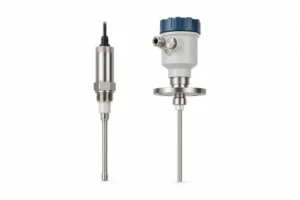
Level Sensors
692 products
Liquid and bulk-solid level sensors — ultrasonic, radar, capacitive, vibrating fork, and conductivity types.
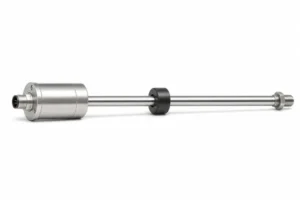
Linear Position Measuring
17 products
Magnetostrictive, LVDT, draw-wire, and linear-encoder position sensors — current and obsolete in stock.
Luminescence Sensors
2 products
Magnetic Sensors
55 products
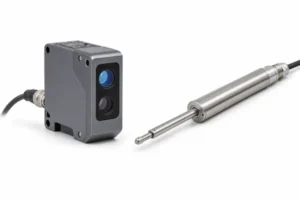
Measurement Sensors
110 products
Precision measurement sensors for dimension, distance, thickness, and displacement in industrial QA.
Measuring Light Curtains
665 products
Optical Profile Sensors
10 products
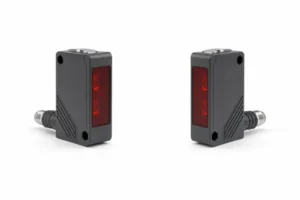
Optical Sensors
76 products
Optical sensors — photoelectric, fiber optic, laser, and color sensors using light-based detection.
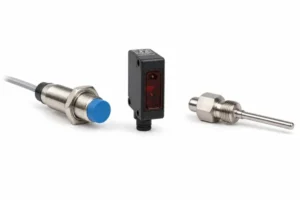
Other Sensors
156 products
Specialty industrial sensors — humidity, gas detection, color, contrast, mark, and condition monitoring.
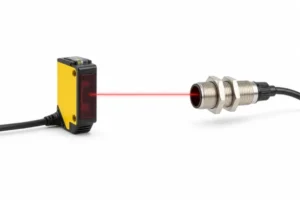
Photoelectric Sensors
7,120 products
Diffuse, retro-reflective, and through-beam photoelectric sensors — current and obsolete models stocked.
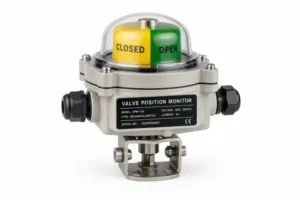
Position Monitoring Devices
19 products
Devices that monitor mechanical position state — limit switches, valve position monitors, prox-switch sets.
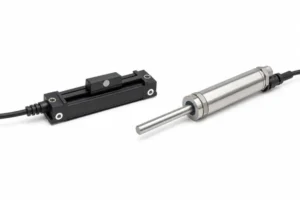
Positioning Sensors
19 products
Positioning sensors — magnetostrictive, LVDT, draw-wire, linear potentiometer, and absolute linear position.
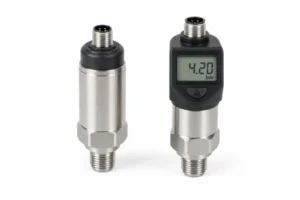
Pressure Sensors
1,601 products
Pressure transmitters, switches, and gauge sensors for hydraulic, pneumatic, and process applications.
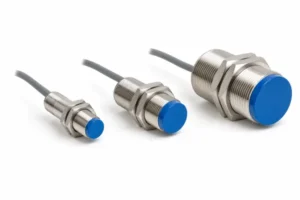
Proximity Sensors
2,621 products
Inductive and capacitive proximity sensors in M8/M12/M18/M30 — current production and obsolete models.
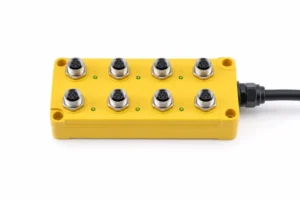
Sensor Interface and Junction Modules
252 products
Sensor distribution blocks, junction modules, and IO-Link masters — multi-sensor fan-out for clean panels.
Switching Light Curtains
101 products
Tachogenerators
6 products
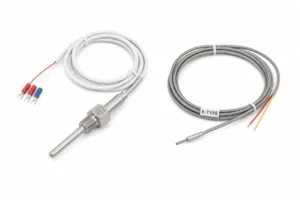
Temperature Sensors
518 products
RTDs, thermocouples, and temperature transmitters for industrial process and machine monitoring.
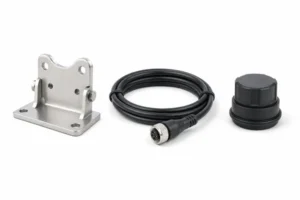
Transducer Accessories
1,358 products
Transducer mounts, isolation valves, snubbers, manifolds, cable assemblies, and calibration accessories.
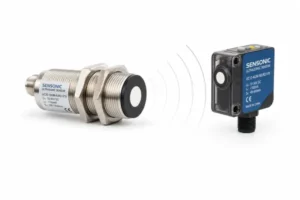
Ultrasonic Sensors
331 products
Ultrasonic distance and level sensors for non-contact detection of any material — current and legacy.
Vibration Sensors
24 products
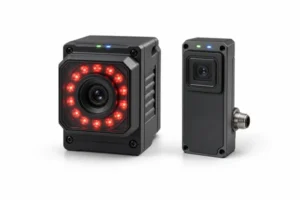
Vision Sensors
52 products
Smart vision sensors for presence, OCR, barcode, and simple inspection — entry-level machine vision.
Sensors

Can't Find The Part You Need?
Send us the part number, manufacturer, quantity, and condition — we'll locate it.
Can you source obsolete or discontinued sensors?
Yes. Discontinued and end-of-life sensor models are a core part of our inventory and sourcing network. Provide the OEM part number and we will quote availability.
What output types do you stock — PNP, NPN, analog, IO-Link?
All of them. The output type is set by the OEM part number; when only one variant is available, we will state it before you order so you can confirm it matches your PLC input card.
Are surplus sensors tested?
Yes. Every unit is bench-tested for basic function — power-up, output switching, and range/response where applicable — before shipping. Functional issues within 12 months are covered.
Can you cross from one brand to another?
For commodity proximity and basic photoelectric sensors, often yes. For fiber-optic amplifiers, vision sensors, and IO-Link devices, cross-brand replacement usually requires re-programming and is not a true drop-in; we will tell you when that is the case.
How fast is shipping?
In-stock items ship same or next business day from St. Louis. US orders over $50 ship free; international over $350 ships free.
What if a sensor arrives DOA?
Report it within 30 days and we will replace or refund. Bench-test results are recorded before shipment, so DOA cases are rare but handled without dispute.