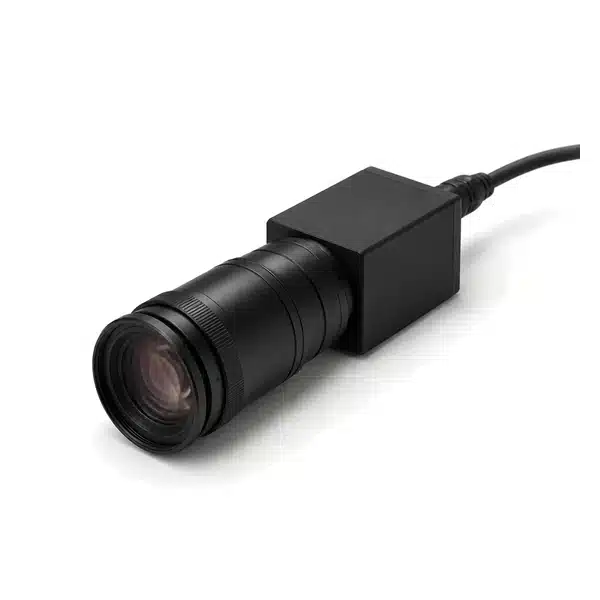
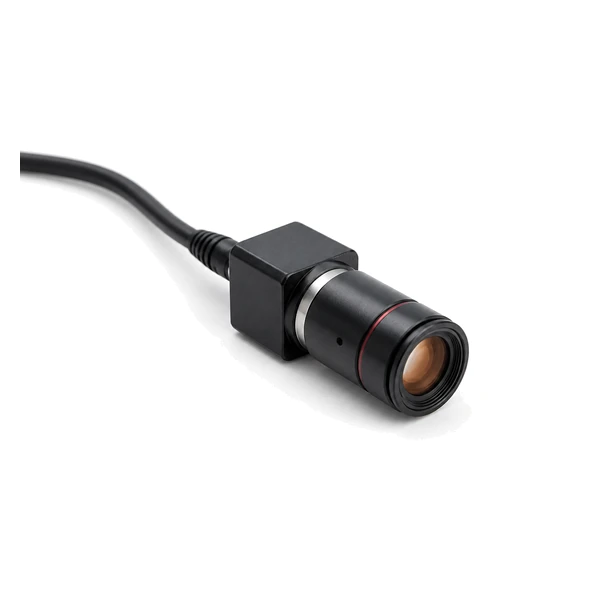
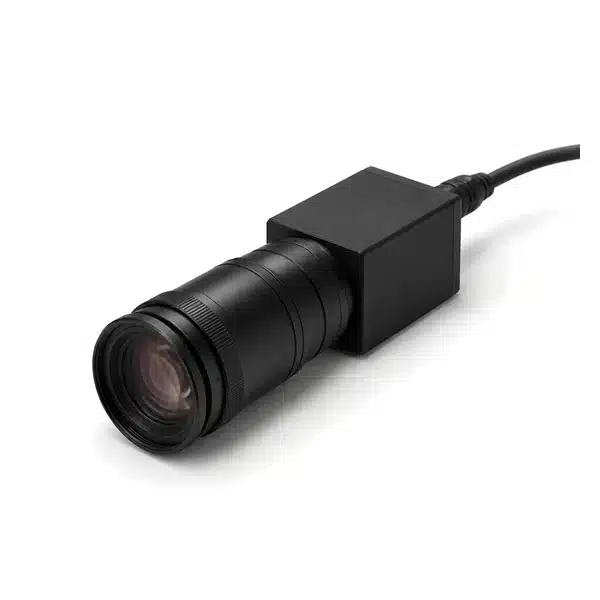
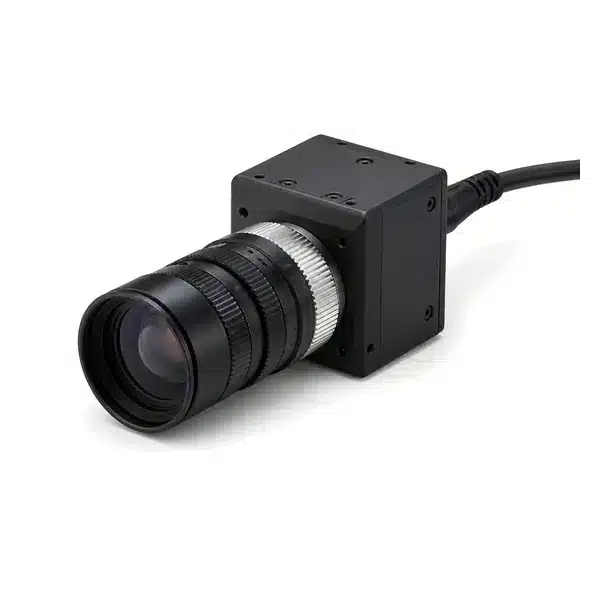
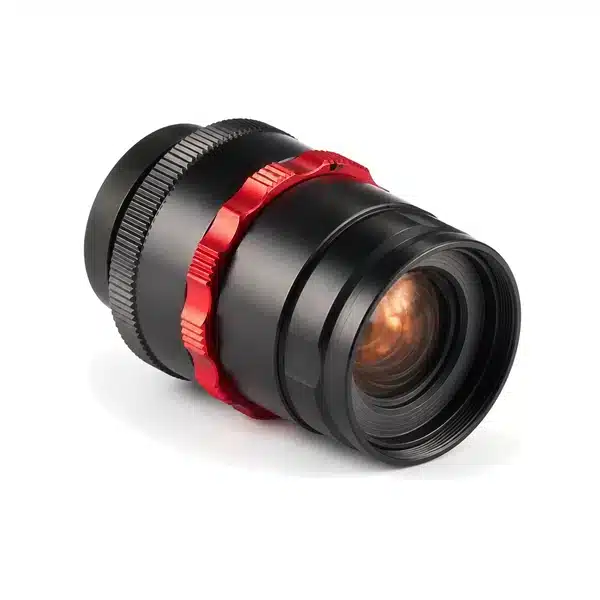
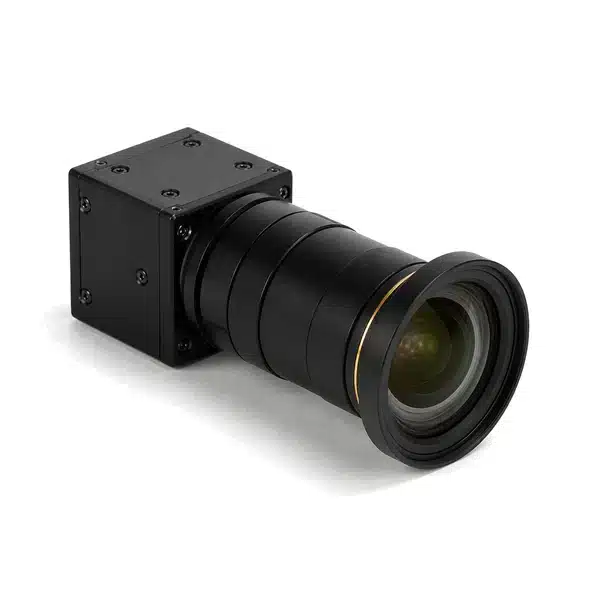
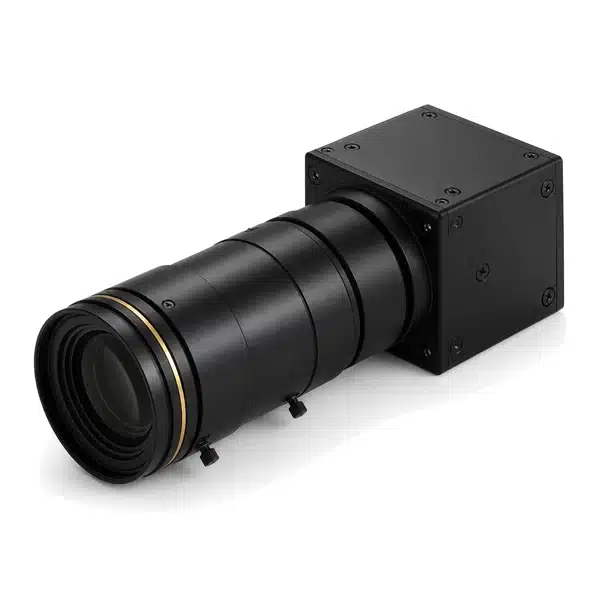
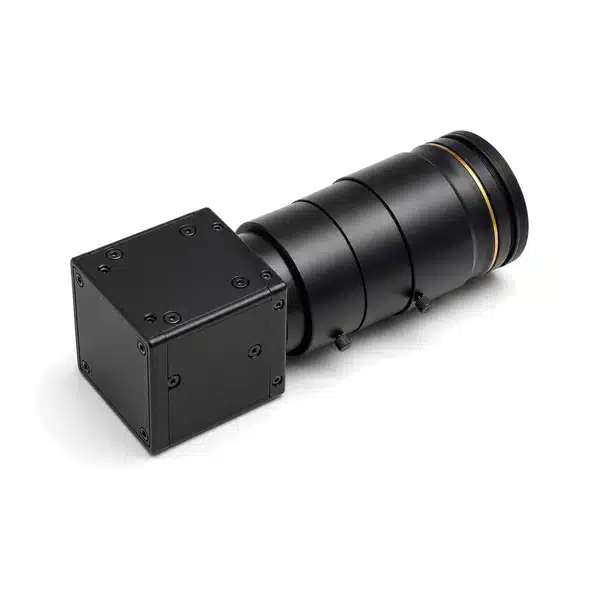
A vision system is a packaged unit: replacing one means replacing a configuration that has been tuned over time. Even with the right model on hand, the application program, image references, and PLC handshake all carry forward only if the replacement matches the original closely enough.
Specs to confirm before ordering:
- Exact system model and option codes — In-Sight 7900 vs. 7905 vs. 7910 differ in resolution, frame rate, and lens variant
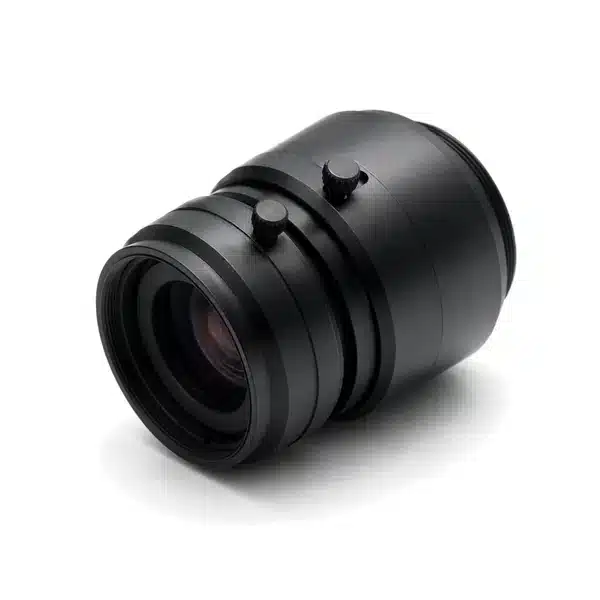
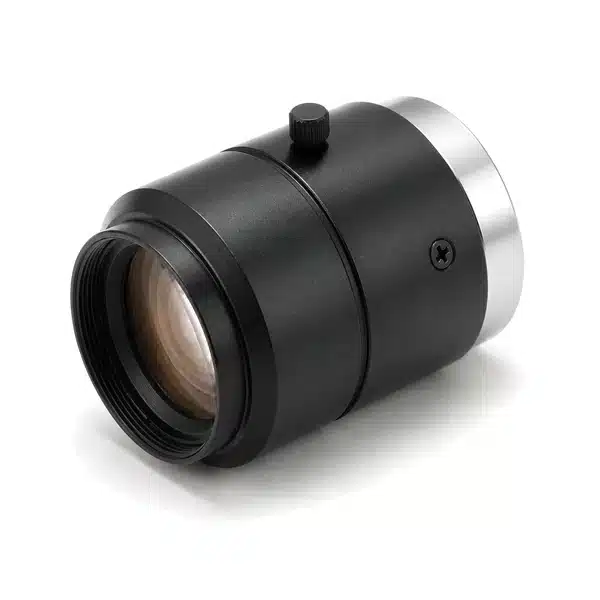
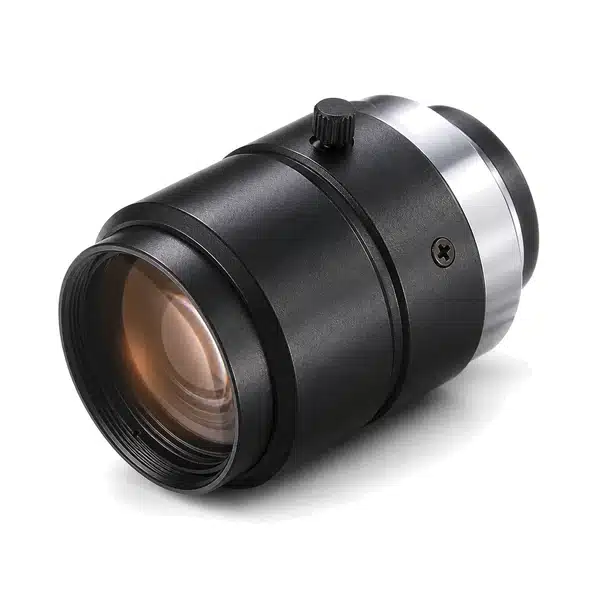
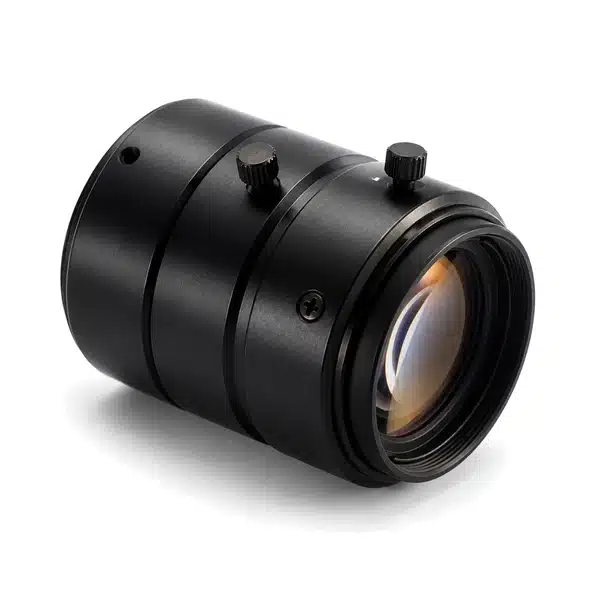
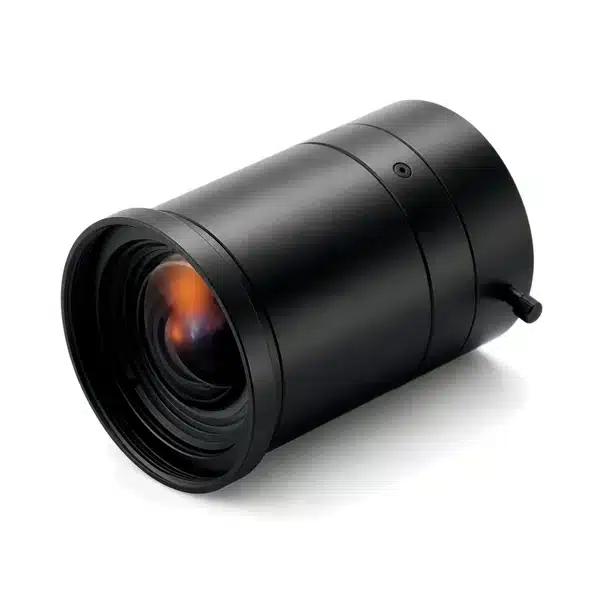
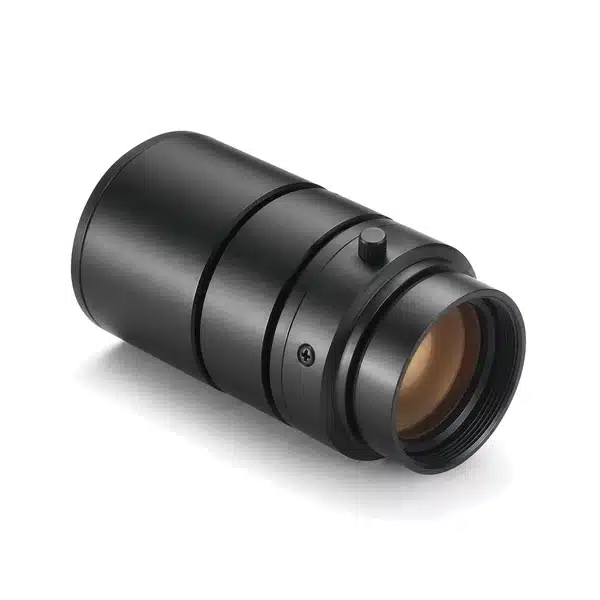
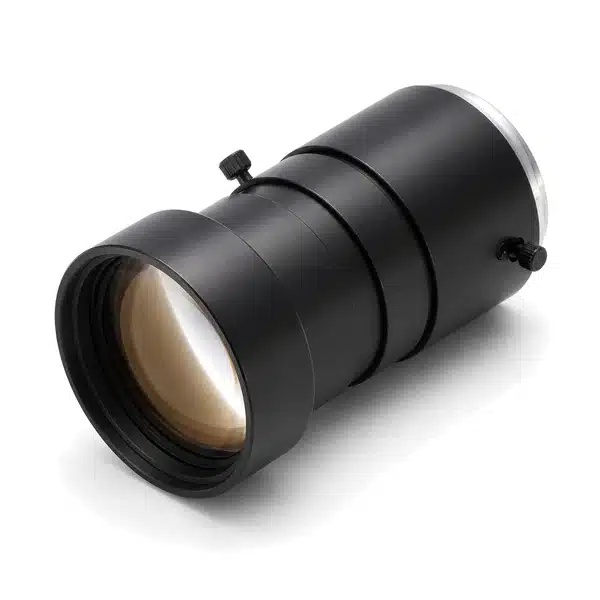
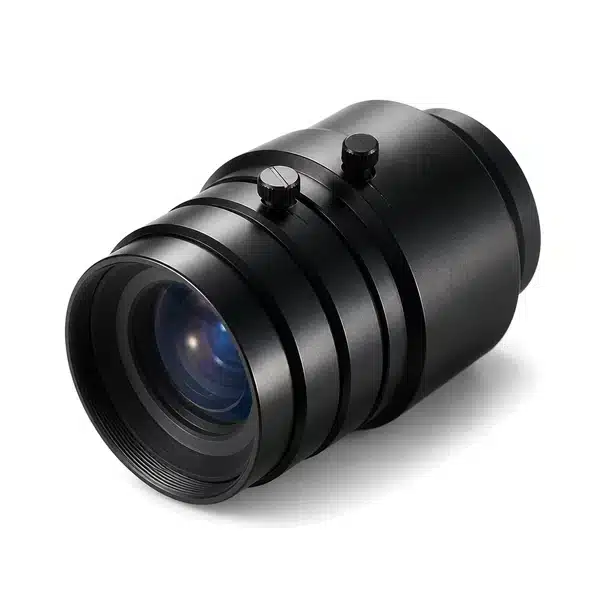
- Lens included or separate — and whether the system supports auto-focus or fixed-focus only
- Built-in lighting vs. external lighting requirement
- Communication: Ethernet/IP, Profinet, Modbus TCP, RS-232, discrete I/O
- Number of supported tools or inspections per cycle
- Software version and license — VisionPro and similar high-end packages require a license dongle or activation
- Job file (application program) availability and version
Common gotchas: vision system job files are version-locked. A job created in In-Sight Explorer 5.5 may not load on a system running 5.7 firmware without conversion, and downgrading firmware is often not allowed. Cognex In-Sight 7000-series and 8000-series share appearance but use different application software workflows. Some Keyence systems require the original CV-X or XG-X controller for the camera head to function — the head is not standalone. Lighting controllers and strobe controllers are often part-number matched to the lighting unit.
Typical applications: 100% inspection of stamped parts for dimensional defects, label and lot-code verification with OCR/OCV, robot guidance for bin picking and depalletizing, and serial-number readback on populated PCBs. On legacy vision cells, replacing the entire system is sometimes simpler than replacing one component out of a matched set — but only if the application has been documented and can be re-deployed.
For obsolete vision system controllers and camera heads, request a quote with the OEM number.