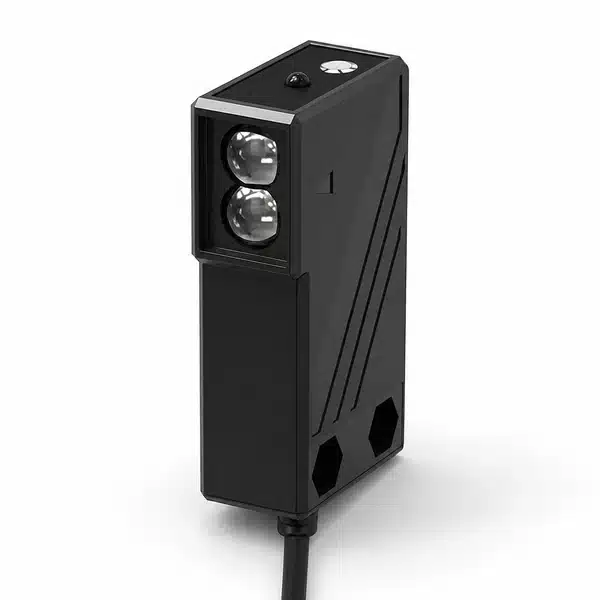
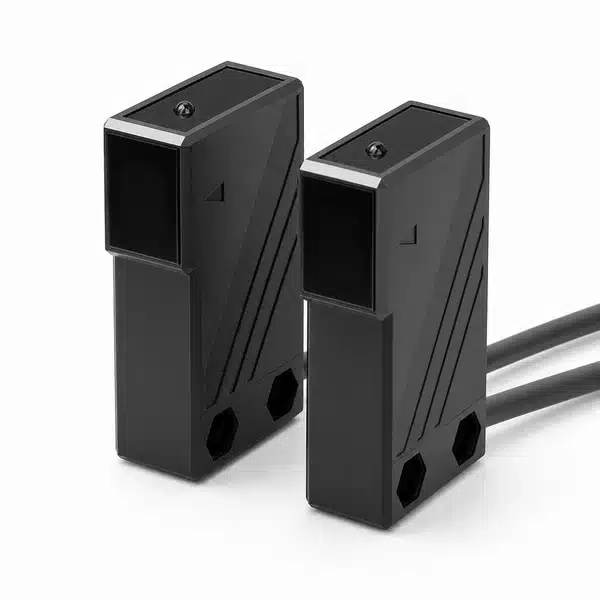
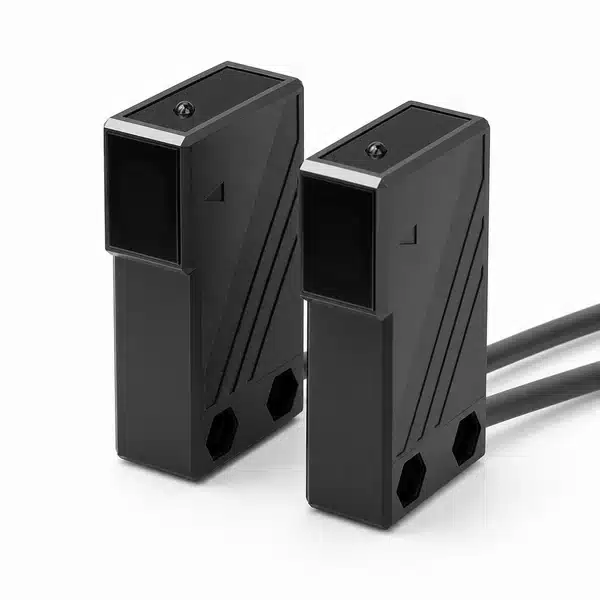
Photoelectric Sensors

Photoelectric Sensors
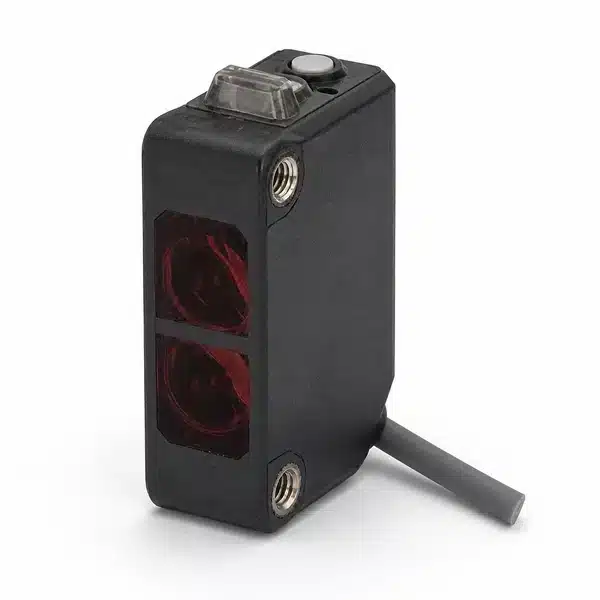
4732 Products
View
< of 296 >
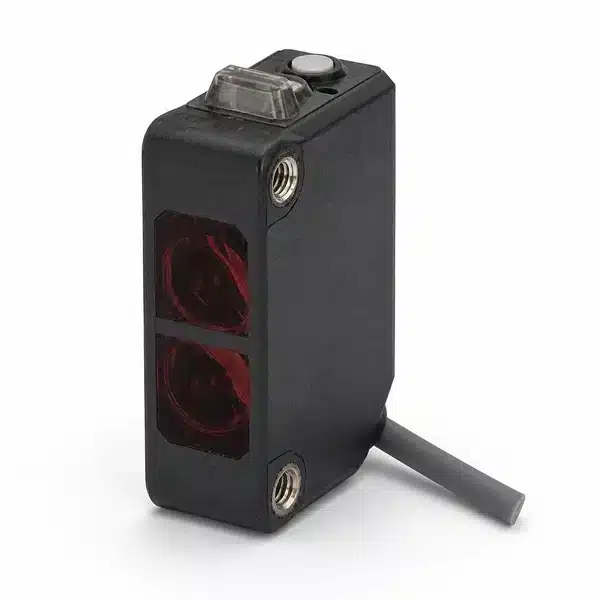
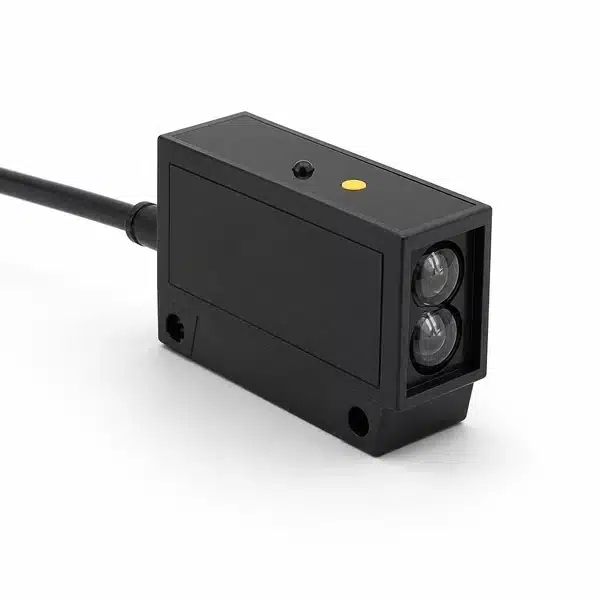
Autonics BJR100-DDT Oil-Resistant/Oil-Proof Photoelectric Sensors
$159.82/ea Available
+ Product Group
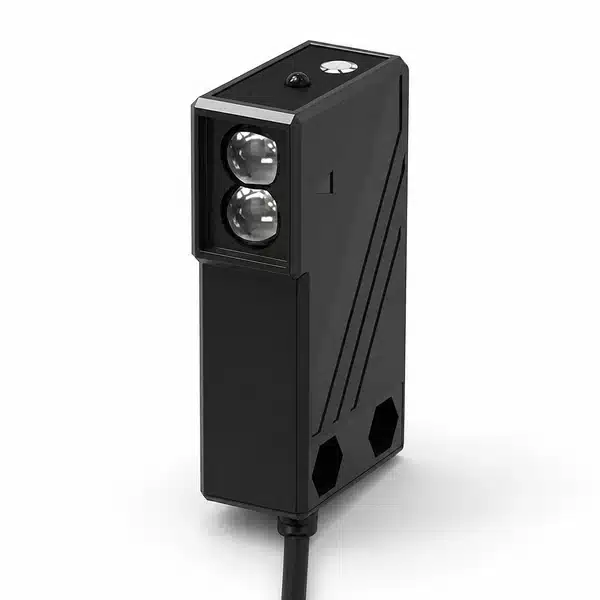
Autonics BJR100-DDT-F Oil-Resistant/Oil-Proof Photoelectric Sensors
$118.86/ea Available
+ Product Group
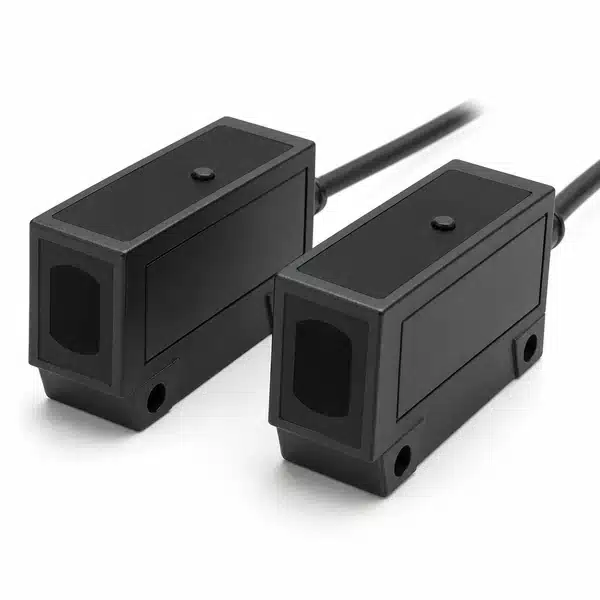
Autonics BJX30M-TDT Compact Long Distance Photoelectric Sensors
$116.01/ea Available
+ Product Group
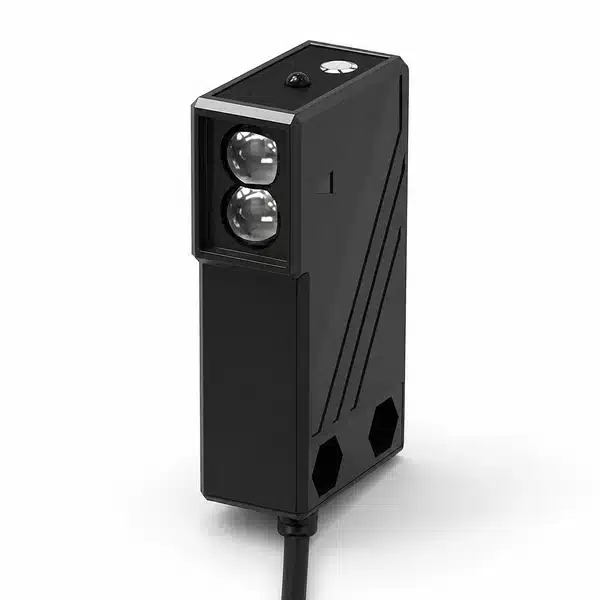
Autonics BJX30M-TDT-C Compact Long Distance Photoelectric Sensors
$127.87/ea Available
+ Product Group
Autonics BJX30M-TDT-C-P Compact Long Distance Photoelectric Sensors
$126.54/ea Available
+ Product Group
Autonics BJX30M-TDT-P Compact Long Distance Photoelectric Sensors
$113.77/ea Available
+ Product Group
Autonics BL13-TDT Liquid Level Photoelectric Sensors
$149.79/ea Available
+ Product Group
Autonics BL13-TDT-P Liquid Level Photoelectric Sensors
$148.30/ea Available
+ Product Group
Autonics BM1M-MDT Economical General-Purpose Photoelectric Sensors
$60.30/ea Available
+ Product Group
Autonics BM200-DDT Economical General-Purpose Photoelectric Sensors
$61.15/ea Available
+ Product Group
Autonics BM3M-TDT1,2 Economical General-Purpose Photoelectric Sensors
$63.85/ea Available
+ Product Group
Autonics BMS2M-MDT Side Sensing Type Photoelectric Sensors
$61.33/ea Available
+ Product Group
Autonics BMS300-DDT Side Sensing Type Photoelectric Sensors
$61.37/ea Available
+ Product Group
Autonics BMS300-DDT-P Side Sensing Type Photoelectric Sensors
$60.20/ea Available
+ Product Group
Autonics BMS5M-TDT Side Sensing Type Photoelectric Sensors
$72.48/ea Available
+ Product Group
Autonics BMS5M-TDT-P Side Sensing Type Photoelectric Sensors
$72.45/ea Available
+ Product Group

Can't Find The Part You Need?

Send us the part number, manufacturer, quantity, and condition — we'll locate it.

Request a Quote

Choosing Photoelectric Sensors components

Choosing a photoelectric sensor starts with the detection mode, which is dictated by the target and the available mounting space on the machine. Each of the three main modes — diffuse, retro-reflective, through-beam — has trade-offs in range, reliability, and installation effort.

Specs to confirm before ordering:

  • Mode: diffuse (sensor and target on same side), retro-reflective (sensor + reflector), through-beam (emitter + separate receiver)
  • Operating distance to the target, with target reflectivity considered
  • Light source: red LED, infrared, laser — laser for small or precisely positioned targets
  • Output: PNP/NPN, light-on or dark-on (often switch-selectable), analog or IO-Link on higher-end models
  • Supply voltage (10–30 VDC standard; some legacy models are 24 VAC/VDC)
  • Housing form: M12, M18, M30 barrel, rectangular block, fork/slot
  • Connector: M8 3-pin, M12 4-pin, or fixed cable

Through-beam delivers the longest range and the most reliable detection of dark, shiny, or transparent objects but requires two-sided mounting and alignment. Retro-reflective with a polarized filter handles shiny targets that defeat ordinary reflective setups. Diffuse is easiest to install but most sensitive to background and target color — background-suppression (BGS) variants address that with a fixed cut-off distance.

Common applications: case detection on conveyor lines, label-present check before downstream printing, vial counting in pharma, and pallet positioning at stretch wrappers. Many older machines depend on long-discontinued photoelectric models — replacing in-kind from surplus inventory avoids re-bracketing and re-aligning the optical path, both of which add hours to a swap.

For obsolete photoelectric sensors no longer made by the OEM, send the part number for a sourcing quote.

Can you find obsolete photoelectric sensors?
Yes — this is a core focus. Send the OEM part number for sensors from Banner, SICK, Autonics, Omron, Keyence, and similar brands. Surplus and new-old-stock are searched first, refurbished options second.
Are reflectors included with retro-reflective sensors?
Not by default. Reflectors are listed separately because the original-equipment pairing is often what matters for range; tell us which reflector you need and we will pair it with the sensor.
What is the difference between standard and polarized retro-reflective?
Polarized models filter for the corner-cube reflector's specific light return and ignore shiny targets like aluminum cans, bottles, or wrapped product that would otherwise falsely trigger a standard retro sensor.
Can a diffuse sensor replace a retro-reflective one?
Sometimes, if the range is short and the target is opaque and matte. For shiny, dark, or transparent targets it usually fails. We will flag the risk if you ask us to substitute.
Do these ship internationally?
Yes. International orders ship free over $350; smaller orders are quoted at the time of order.
What is the warranty?
12-month functional warranty on every photoelectric sensor, whether new, surplus, or refurbished.
Shopping Cart