Fiber Optic Sensors

Fiber Optic Sensors

329 Products
View
< of 21 >
Banner PIRS1X166U Fiber Optics

Banner PIRS1X166U Fiber Optics

MFR #: PIRS1X166U
$168.30/ea Available
+ Product Group
Banner PIRS1X166UMPMAL Fiber Optics

Banner PIRS1X166UMPMAL Fiber Optics

MFR #: PIRS1X166UMPMAL
$138.55/ea Available
+ Product Group
Banner PIT26U Fiber Optics
$51.85/ea Available
+ Product Group
Banner PIT26U-VL Fiber Optics
$38.25/ea Available
+ Product Group
Banner PIT43U-VL Fiber Optics
$34.00/ea Available
+ Product Group
Banner PIT46U Fiber Optics
$51.85/ea Available
+ Product Group
Banner Q45AD9FPQ Fiber Optic Amplifiers
$170.85/ea Available
+ Product Group
Banner Q45BB6FQ5 Fiber Optic Amplifiers
$131.75/ea Available
+ Product Group
Banner R55FPB Color and Luminescence Sensors
$234.60/ea Available
+ Product Group
Banner R55FPG Mark, Color and Luminescence Sensors
$234.60/ea Available
+ Product Group
Banner SM312FP1H Fiber Optic

Banner SM312FP1H Fiber Optic

MFR #: SM312FP1H
$144.50/ea Available
+ Product Group
Banner SME312FQD Fiber Optic Amplifiers
$144.50/ea Available
+ Product Group
Banner SME312FVQD Fiber Optic Amplifiers
$147.90/ea Available
+ Product Group
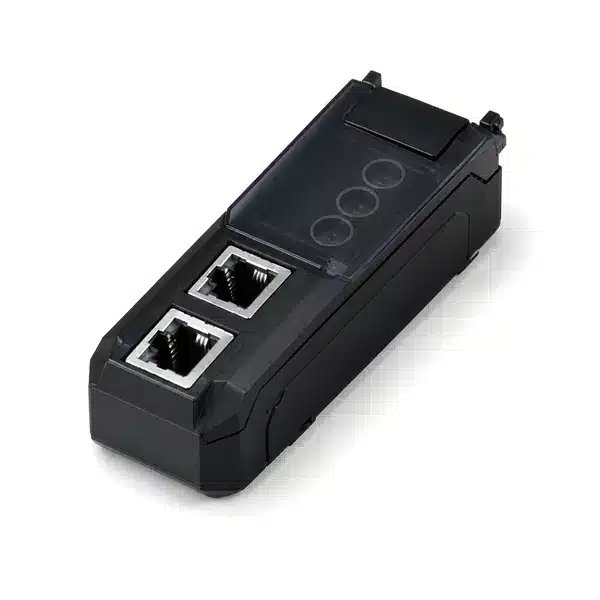
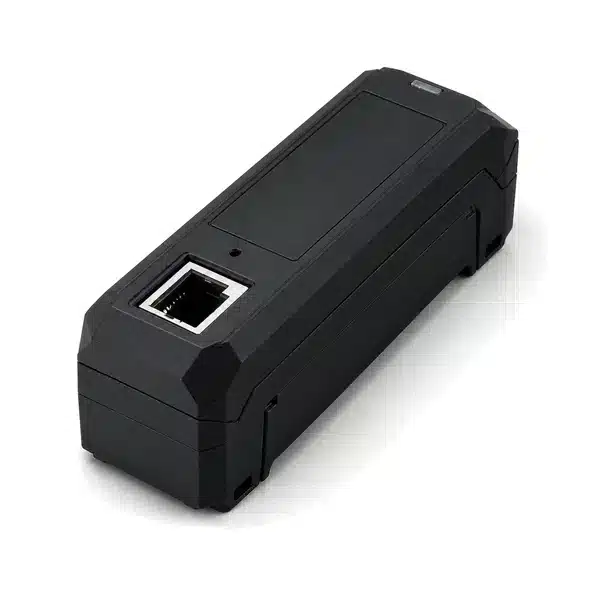
Keyence DL-EC1A Ethercat supporting communication unit
$418.52/ea Available
+ Product Group
Keyence DL-EN1 Ethernet TCP/IP Compatible Network Unit
$528.16/ea Available
+ Product Group
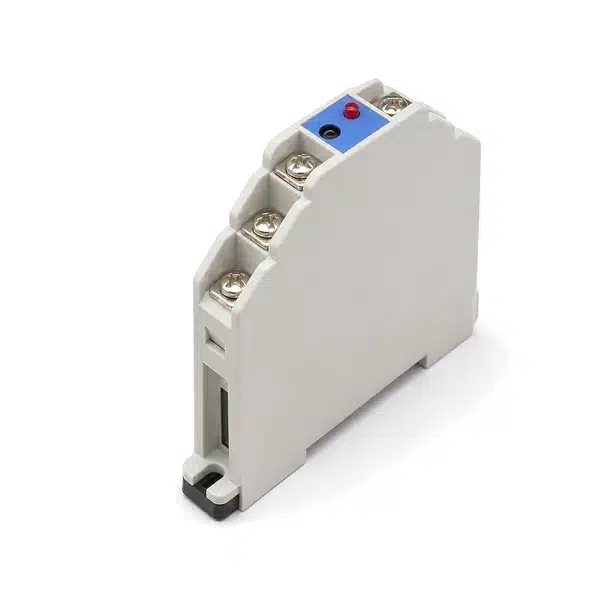
Keyence ES-12AC-U Amplifier Unit
$223.14/ea Available
+ Product Group

Can't Find The Part You Need?

Send us the part number, manufacturer, quantity, and condition — we'll locate it.

Request a Quote

Choosing Fiber Optic Sensors components

Fiber optic sensor selection is a two-part problem: the amplifier (electronic unit) and the fiber (optical cable plus tip). The two must come from the same family and be compatible — Keyence amplifiers will not work with Banner fibers and vice versa.

Specs to confirm before ordering:

  • Amplifier family and exact model — newer digital amplifiers with display vs. legacy analog
  • Output: PNP, NPN, NO/NC, IO-Link, analog
  • Number of amplifiers needed and whether they will be connected in a master/slave bank for shared power and communication
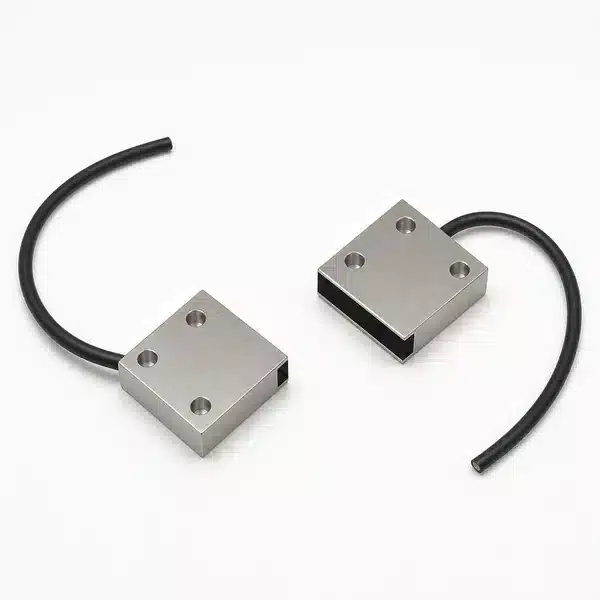
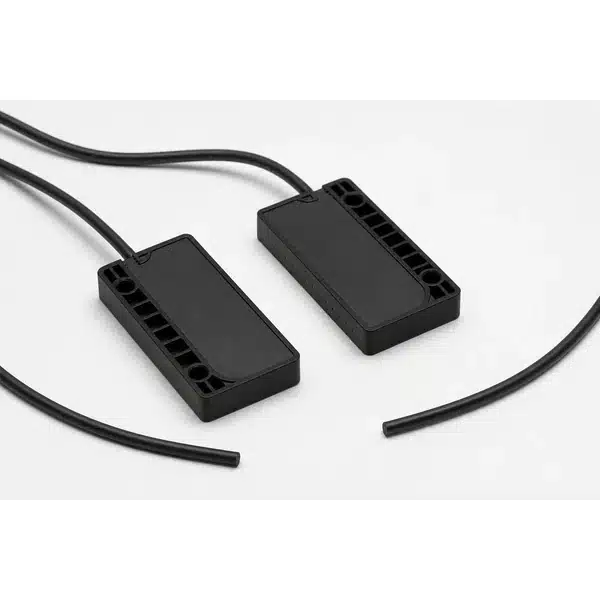
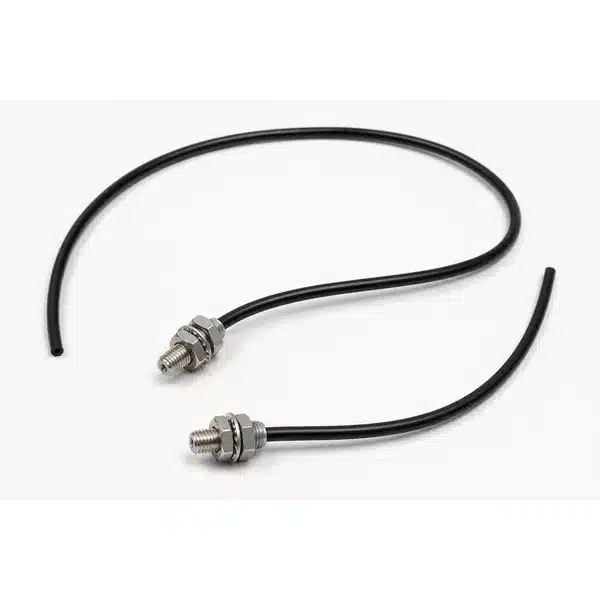
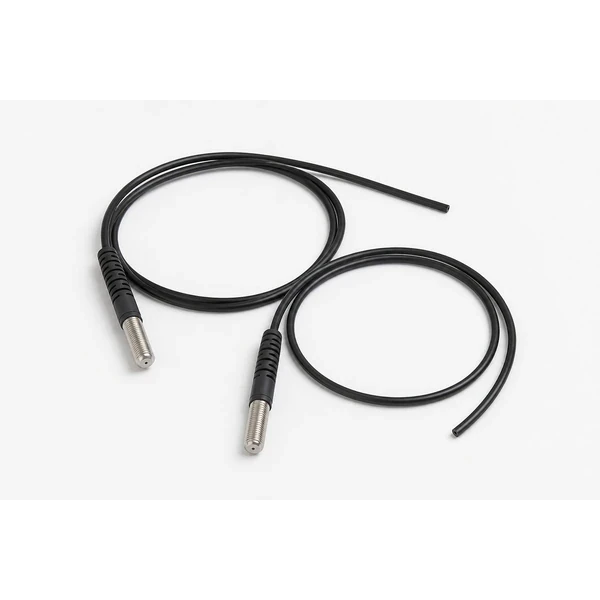
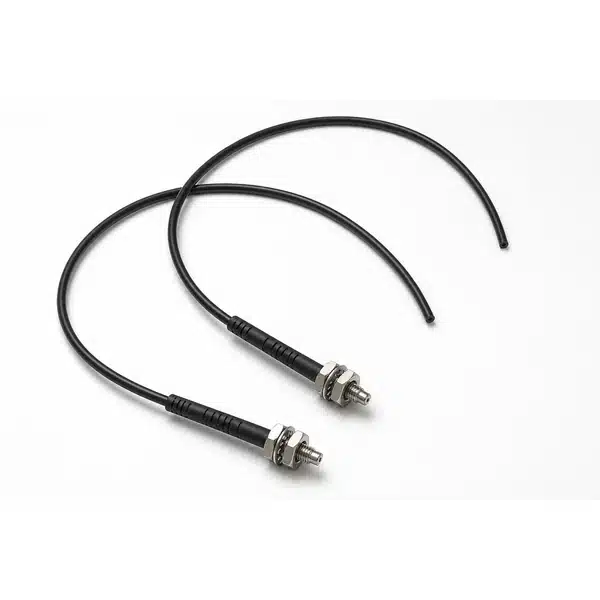
  • Fiber type: through-beam (two cables, emitter + receiver) or diffuse reflective (one bifurcated cable)
  • Fiber tip: standard, coaxial, side-view, array, small-spot focus
  • Fiber length and minimum bend radius — plastic fiber is flexible but limited to ~70 °C; glass fiber tolerates higher temperatures and chemicals but has a larger bend radius
  • Environmental rating at the fiber tip — high temperature, washdown, vacuum
  • Mounting hardware for the tip (threaded barrel, set-screw block, focus lens)

Common gotchas: cutting plastic fiber requires the proper cleaver — a wire cutter crushes the fiber and ruins the optical signal. Glass fiber cannot be cut in the field at all. Diffuse fibers with very small spot sizes have short range; pairing them with high-power amplifiers and increasing the gain typically introduces noise rather than reach. Some amplifiers auto-teach a setpoint but require the target present during the teach cycle — a common commissioning mistake.

Typical applications: detecting small electronic components on a tape-and-reel feeder, level sensing through a clear plastic tank wall, edge detection on transparent film, and presence detection inside an oven or wash chamber where only the fiber tip enters the harsh zone. For legacy production lines that depend on a specific amplifier or fiber head no longer in production, in-kind replacement avoids re-machining brackets and re-tuning sensitivity.

For obsolete fiber optic amplifiers and head assemblies, request a quote with the OEM number.

Do amplifier and fiber head need to be the same brand?
Yes. Fiber optic systems are not cross-compatible across brands. A Keyence amplifier requires a Keyence fiber head; same for Banner, Omron, and Autonics.
Plastic vs. glass fiber — which should I use?
Plastic for general use up to ~70 °C and tight bend radius. Glass for high temperature (often 150–350 °C depending on jacket), chemical exposure, or where mechanical durability matters more than flexibility.
Can fibers be cut to length?
Plastic fibers can be cleaved with the proper cutter (typically supplied or sold by the OEM). Glass fibers should not be cut in the field — they are sold pre-terminated.
Are obsolete amplifiers like the Keyence FS-V or Omron E3X-NA stocked?
Yes. Legacy FS-V, E3X-NA, BF3R, D10, and similar discontinued amplifiers are routinely sourced. Send the OEM number.
Do amplifiers in a connector bank share power?
Yes — most amplifier families chain together with a side connector that shares supply and ground. Number of units per chain varies; check the OEM datasheet.
What is the warranty?
12 months functional on amplifiers and fiber heads, including surplus and refurbished stock. Fibers damaged by mishandling (over-bending, cutting incorrectly) are not covered.
Shopping Cart