

Relays
Enicstra stocks electromechanical relays for general-purpose control applications: interface relays for PLC outputs, machine-tool control relays for cabinet logic, ice-cube relays in 8/11/14-pin socket configurations, and miniature PCB relays. The catalog covers low-signal interface relays, medium-power industrial control relays, and the matched sockets and DIN-rail bases that complete a panel installation.
Brands carried include Phoenix Contact PLC-RSC/PLC-RPT, Weidmüller TERMSERIES, Omron MY/LY/G7T/G2R, Schneider RXM/RPM, Finder 38/40/55, IDEC RU/RY/RN, and Allen-Bradley 700-HK/HG/HN. Obsolete electromechanical relays — discontinued MY2-series codes, retired Finder 38 first generations, end-of-life Allen-Bradley 700-P — are sourced through our supplier network. Each relay is bench-tested for coil function and contact continuity and ships with a 12-month functional warranty.
For an obsolete relay, send the OEM part number for a quote within 1–2 business days.
Subcategories
Contactors
4 products
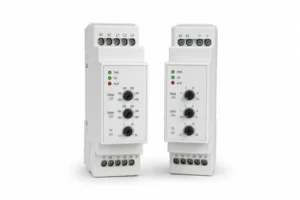
Monitoring Relays
27 products
Monitoring relays for voltage, current, phase, level, and temperature — preventive fault detection.
Power Relays
919 products

Relay Sockets
6 products
Relay sockets — 8-pin, 11-pin octal, and 14-pin DIN-rail bases for plug-in relays and timers.

Solid State Relays (SSR)
124 products
Solid state relays for AC and DC switching — panel-mount, DIN-rail, and PCB SSRs for heaters and motors.

Time Delay Relays
54 products
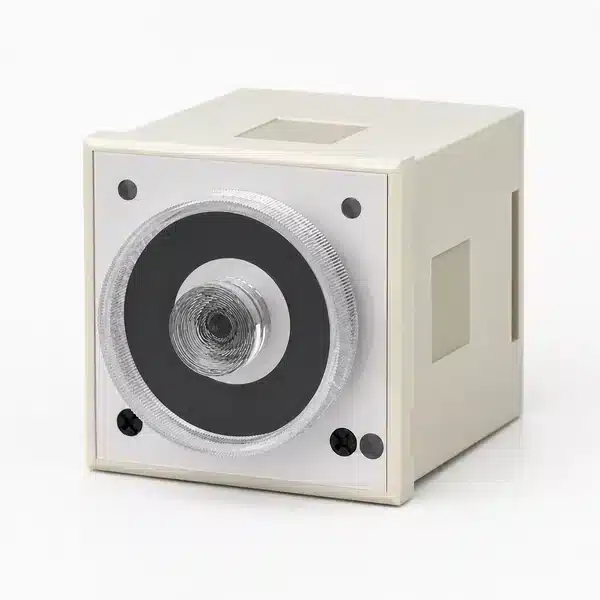
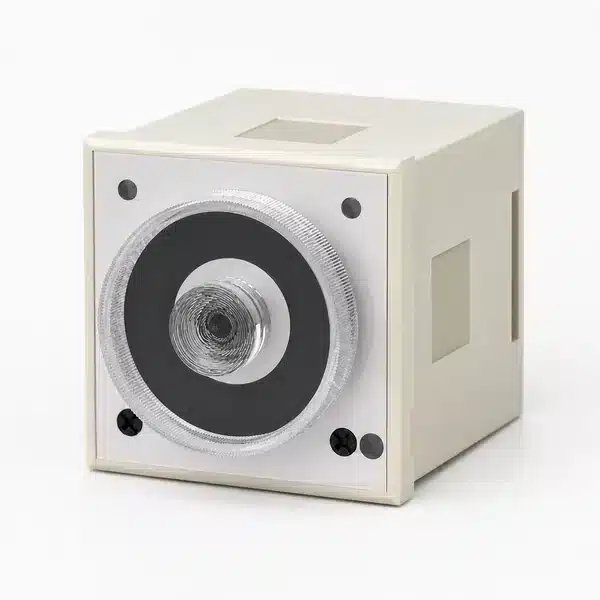
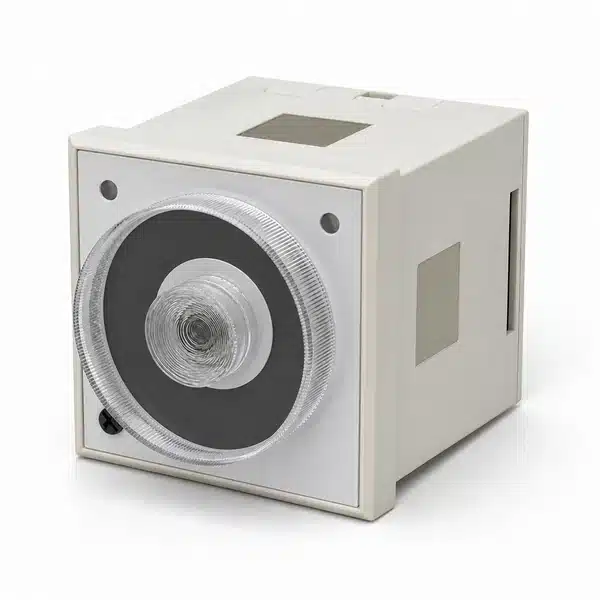
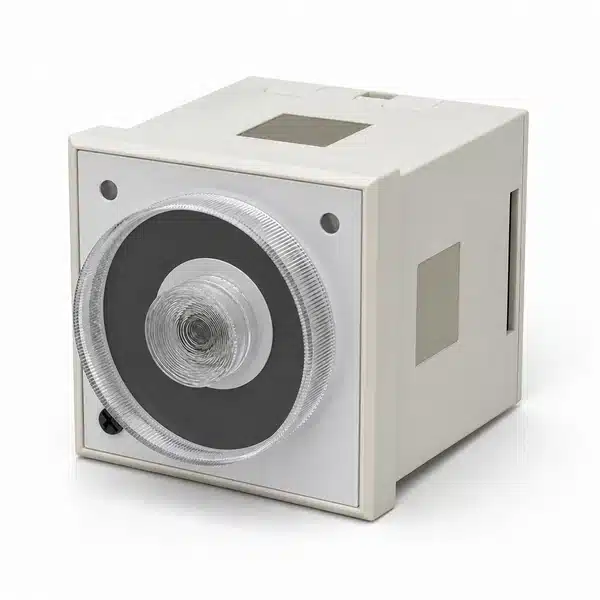
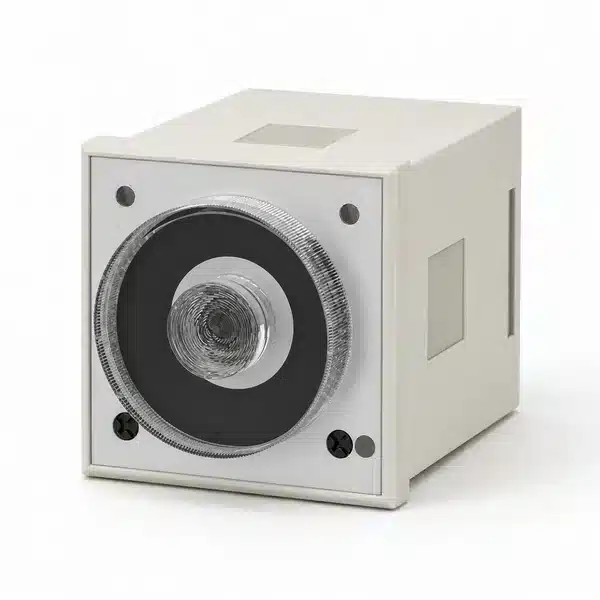
Time delay relays — on-delay, off-delay, single-shot, and multi-function timers for control logic.
Relays









Can't Find The Part You Need?
Send us the part number, manufacturer, quantity, and condition — we'll locate it.
Do you stock obsolete relays?
Yes. Discontinued Omron MY-series codes, retired Finder 38 first generations, end-of-life Allen-Bradley 700-P, and earlier IDEC RU-series are sourced through our supplier network.
Why does my relay buzz on a PLC output?
Usually the relay coil is drawing more current than the PLC output is rated for, causing the output to chatter. Use an interface relay sized to the PLC output current, or a smaller coil-current pilot relay to drive the larger relay's coil.
Can I substitute a relay with a different contact material?
For the same current rating, usually yes. For high-inrush loads (motor coils, lamps), AgSnO contacts last longer than standard AgNi. For low-signal switching, gold-flashed contacts are essential — substituting standard contacts means switching unreliably.
Are sockets included?
Plug-in relays and sockets are typically sold separately because the same relay fits multiple socket styles. Send the socket style needed (8-pin square, 11-pin octal, 14-pin square) for a coordinated order.
How long do relays typically last?
Mechanical life is typically 10–50 million operations. Electrical life depends on the load — 100,000+ cycles at rated current for resistive loads, fewer for high-inrush or high-DC. Expected lifetime in your application depends on cycle rate.
What is the warranty?
12-month functional warranty. Wear from extended high-cycle use, contact damage from over-current or DC switching beyond rating, and coil damage from over-voltage are not covered.